 ALERT
ALERT
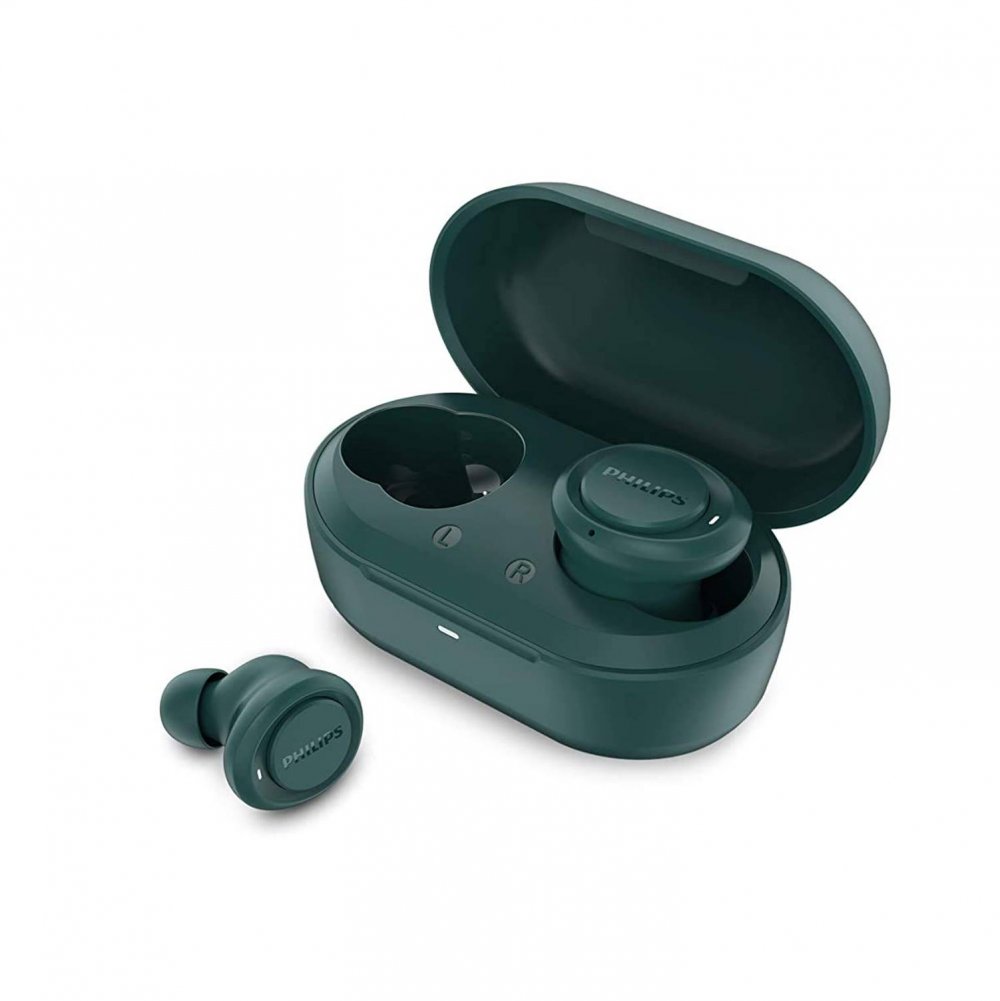
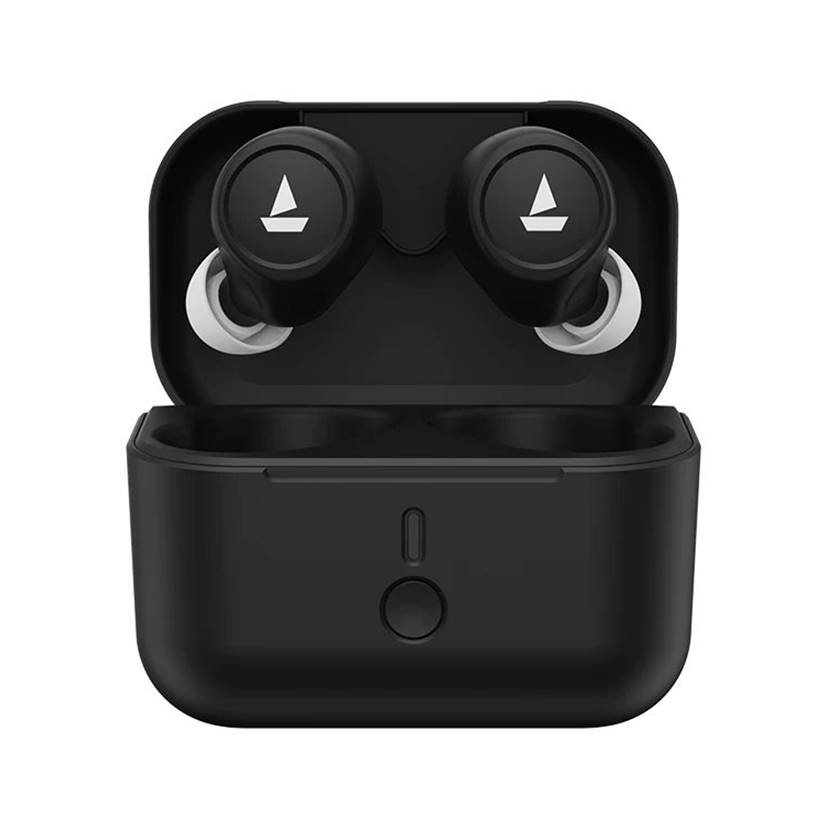
Philips TAT1225BL/94 vs boAt Airdopes 501 ANC
Advertisement
| Specification | ||
|---|---|---|
| Price | Rs.4,999.00 |
Rs.4,999.00 |
| Brand | Philips |
boAt |
| Model No | TAT1225BL/94 |
Airdopes 501 ANC |
| Wired / Wireless | Wireless Headphone Specification |
Wireless Headphone Specification |
| Headphone Type | In Ear |
In Ear |
| Magnet Type | Neodymium |
Dynamic |
| Driver Diameter | 6 mm |
8 mm |
| Impedance | 16 ohm |
NA |
| Sensitivity | NA |
30dB |
| Frequency Response | 20 Hz - 20000 kHz |
20 Hz - 20000 Hz |
| Maximum Power Input | NA |
5 V 2A |
| Wireless / Bluetooth Details | ||
| Wireless Technology | Bluetooth |
Bluetooth |
| Bluetooth Version | 5.1 |
5.2 |
| Compatible Profiles | All Bluetooth Devices |
All Bluetooth Devices |
| Supported Codecs | A2DP, AVRCP, Handsfree, HFP, HSP |
AAC, SBC |
| Battery Type | Lithium- Ion Batteries |
Lithium-Ion Batteries |
| Bluetooth Range | 10 Meters |
10 Meters |
| Battery Life | 6+12 Hours |
5.5 / 22 Hours |
| Charging Time | 1.5 Hours |
2.5 - 3Hrs |
| Noise Cancelling | NA |
Hybrid Active Noise Cancellation |
| Available Colors | Green |
Black, White, Blue, Red, Grey |
| Connector Plating | NA |
NA |
| Cable | Micro USB-C Charging Cable |
USB Type C Charging Cable |
| Weight | 60 gm |
56 Gm |
| Other Features | Secure, comfortable fit. Snug, lightweight design. IPX4 splash- and sweat-resistant. Easily wake your phone's voice assistant. Earbud switches to control music and calls. Extremely convenient, super-small charging case. Small charging case for up to 18 hours play time. Built-in mic with echo cancellation for clear audio. 6 mm neodymium drivers. Clear sound, punchy bass. Smart pairing. Automatically find your Bluetooth device. |
1 Year warranty. IWPâ„¢ Technology. ASAPâ„¢ Fast charge. Nonstop music upto 28 hours. IPX4 Sweat & water resistance. Dual mics with ENxTM Technology. Charge for 5 Minutes Enjoy for 60 Minutes ANC wireless Earbuds with Dual Mics with ENx Technology, BEASTâ„¢ for Low Latency. The unbeatable boAt signature sound shines through no matter what you are playing. The Ambient Mode provides transparency wrt the sounds around you even during playback. For play/pause, our right earbud offers the In-Ear Detection functionality. Lock in to Play; Take out to Pause. |
Advertisement
Compare Philips TAT1225BL/94 with:
Compare boAt Airdopes 501 ANC with:
Top Differences
- Battery Life: 6+12 Hours vs 5.5 / 22 Hours
- Noise Cancelling: NA vs Hybrid Active Noise Cancellation
- Driver Size: 6 mm vs 8 mm
- Bluetooth: 5.1 vs 5.2
- Weight: 60 gm vs 56 Gm
Advertisement