 ALERT
ALERT
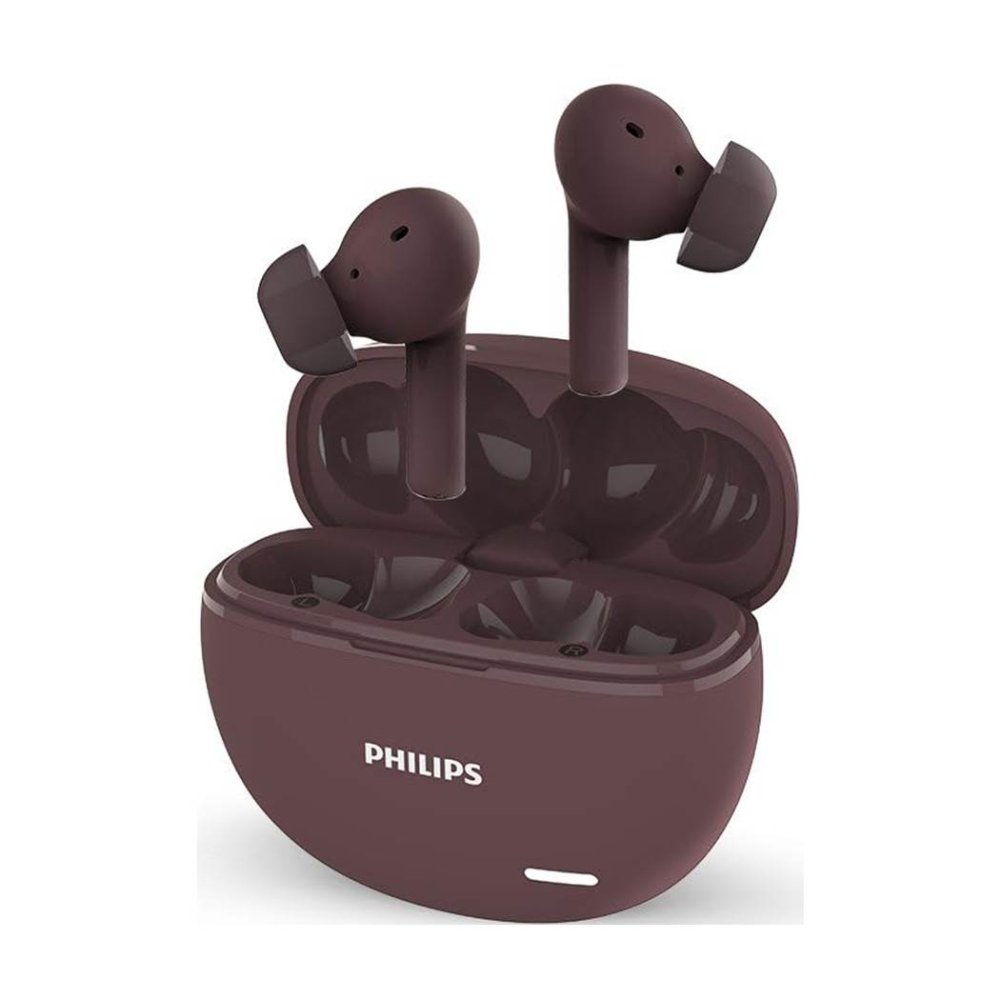
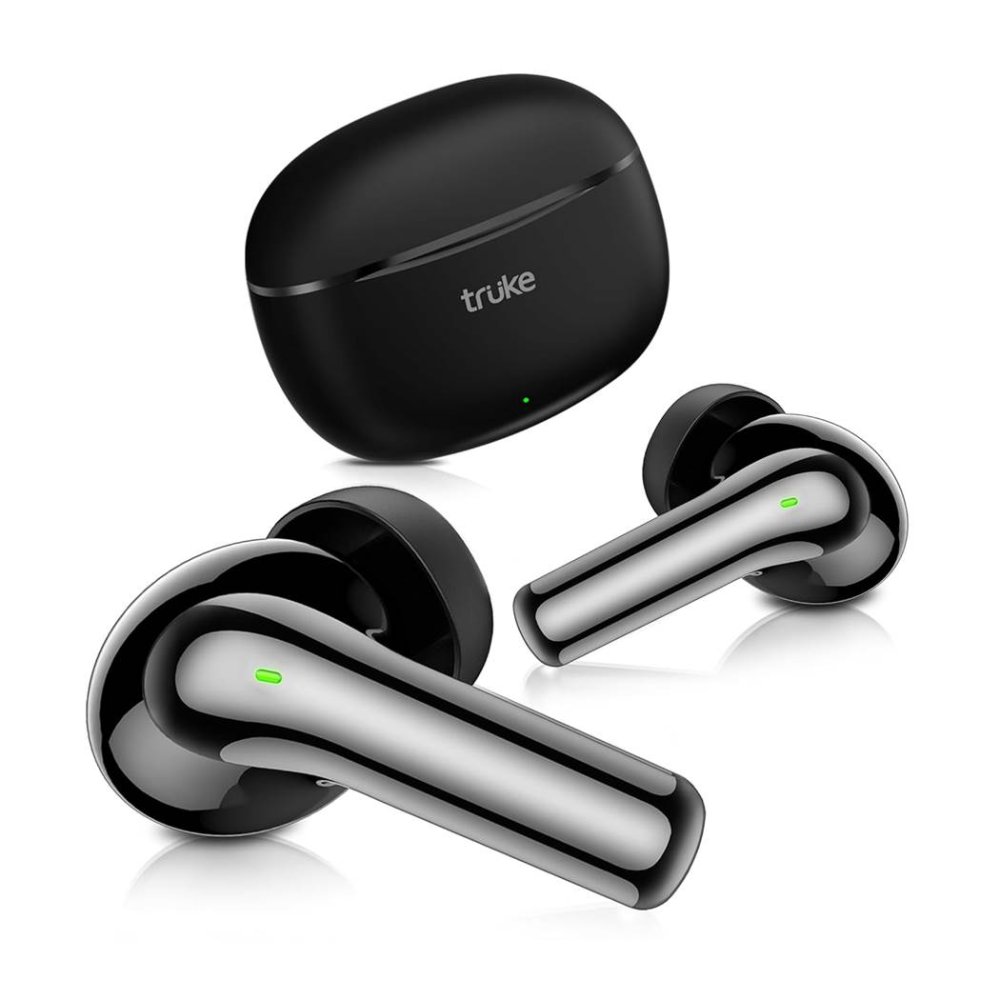
Philips TAT1179RD vs Truke Buds Q1 Plus
Advertisement
| Specification | ||
|---|---|---|
| Price | Rs.3,299.00 |
Rs.3,299.00 |
| Brand | Philips |
Truke |
| Model No | TAT1179RD |
Buds Q1 Plus |
| Wired / Wireless | Wireless Headphone Specification |
Wireless Headphone Specification |
| Headphone Type | In Ear |
In Ear |
| Magnet Type | Dynamic |
Dynamic / Titanium |
| Driver Diameter | 10 mm |
12 mm |
| Impedance | 32 Ohms |
140 Ohms |
| Sensitivity | 97dB@1KHz |
NA |
| Frequency Response | 20Hz - 20KHz |
20Hz - 20 KHz |
| Maximum Power Input | 10 mW |
5 V 1A |
| Wireless / Bluetooth Details | ||
| Wireless Technology | Bluetooth |
Bluetooth |
| Bluetooth Version | 5.3 |
5.3 |
| Compatible Profiles | All Bluetooth Devices |
All Bluetooth Devices |
| Supported Codecs | AAC, SBC |
AAC, SBC |
| Battery Type | Lithium-Polymer Batteries |
Lithium-Ion Batteries |
| Bluetooth Range | 10 Meters |
10 Meters |
| Battery Life | 7 + 38 Hours |
80 Hours |
| Charging Time | 2 Hours |
1E+1 Hours |
| Noise Cancelling | NA |
Advanced Environmental Noise Cancellation |
| Available Colors | Red |
Black, Blue |
| Connector Plating | NA |
3.5 mm Jack |
| Cable | USB Type-C Charging Cable |
USB Type-C Charging Cable |
| Weight | 42 GM |
38 GM |
| Other Features | Long-Lasting Battery : Enjoy up to 45 hours of playtime with the compact charging case. Durable & Portable : IPX4 splash and sweat resistance; pocket-sized charging case for easy carrying. Reliable Connectivity : Solid Bluetooth connection ensures clear calls and seamless music streaming. Comfortable Fit : Designed for a snug fit with interchangeable silicone ear tips and easy on-ear touch controls. High-Quality Sound : Experience warm, natural sound with Philips' signature audio, including deep bass from 10 mm drivers. |
1 Year Warranty. Exquisite Craftsmanship : Ttruke Buds Q1 Plus is stylish and bold in design. Thanks to our team who meticulously crafted for a truly exceptional audio experience. Crystal-Clear Calls, Noise-Free Environment : Enjoy seamless communication with Quad Mic and Advanced Environmental Noise Cancellation technology. Say goodbye to distractions and experience crystal-clear voice calls, even in traffics, gatherings and noisy surroundings. Made for Blissful Audio Experience : Elevate your audio experience with truke Buds Q1 Plus, featuring 12mm Titanium Stereo Speakers for unparalleled sound clarity and enhanced powerful bass. Immerse yourself in the future of music and gaming with these powerful earbuds. Ultra Low Latency Gaming Mode : Immerse yourself in the ultimate gaming experience with truke Buds Q1 Plus's dedicated gaming mode, offering ultra low latency of up to 45ms*. Stay in sync with every action, react faster, and gain a competitive edge in your gaming battles. Elevate your gaming performance with truke Buds Q1 Plus. Extended Playtime, Non-Stop Entertainment : With up to 80 hours* playtime using the charging case and 10 hours* on a single earbud charge, truke Buds Q1 Plus offers uninterrupted entertainment for music, calls, and gaming. Additionally, enjoy the convenience of fast charging, where just a mere 10 minutes of charging grants you up to 6 hours* of immersive audio pleasure. Seamless Connectivity, Stable Connection : Experience faster and reliable connections with Bluetooth 5.3. truke Buds Q1 Plus ensures drop-free performance, allowing you to stay connected without any interruptions. It comes with an IPX5 rating, these earbuds are resistant to water and sweat, making them perfect for intense workouts and outdoor activities, ensuring seamless audio even in challenging conditions. |
Advertisement
Compare Philips TAT1179RD with:
Compare Truke Buds Q1 Plus with:
Top Differences
- Battery Life: 7 + 38 Hours vs 80 Hours
- Noise Cancelling: NA vs Advanced Environmental Noise Cancellation
- Driver Size: 10 mm vs 12 mm
- Weight: 42 GM vs 38 GM
- Impedance: 32 Ohms Vs 140 Ohms
Advertisement