 ALERT
ALERT
Philips TAT1138BK vs Skullcandy Method ANC
Advertisement
| Specification | ||
|---|---|---|
| Price | Rs.7,939.00 |
Rs.7,999.00 |
| Brand | Philips |
Skullcandy |
| Model No | TAT1138BK |
Method ANC |
| Wired / Wireless | Wireless Headphone Specification |
Wireless Headphone Specification |
| Headphone Type | In Ear |
In Ear |
| Magnet Type | Dynamic |
Dynamic |
| Driver Diameter | 13 mm |
9.2 mm |
| Impedance | 16 Ohms |
6 Ohm±15% |
| Sensitivity | 125.9dB@1KHz |
101+/-4 dB |
| Frequency Response | 20Hz - 20KHz |
20 Hz - 20000 Hz |
| Maximum Power Input | 10 mW |
NA |
| Wireless / Bluetooth Details | ||
| Wireless Technology | Bluetooth |
Bluetooth |
| Bluetooth Version | 5.3 |
5.0 |
| Compatible Profiles | All Bluetooth Devices |
All Bluetooth Devices |
| Supported Codecs | SBC |
HSP, HFP, AVRCP, A2DP |
| Battery Type | Lithium-Polymer Batteries |
Lithium Polymer Batteries |
| Bluetooth Range | 10 Meters |
10 Meters |
| Battery Life | 5 + 10 Hours |
6 Hours |
| Charging Time | 2 Hours |
2 Hours |
| Noise Cancelling | NA |
Active |
| Available Colors | Black |
Black, Red |
| Connector Plating | NA |
3.5 mm |
| Cable | USB Type-C Charging Cable |
Micro USB Charging Cable |
| Weight | 37 GM |
16.6 gm |
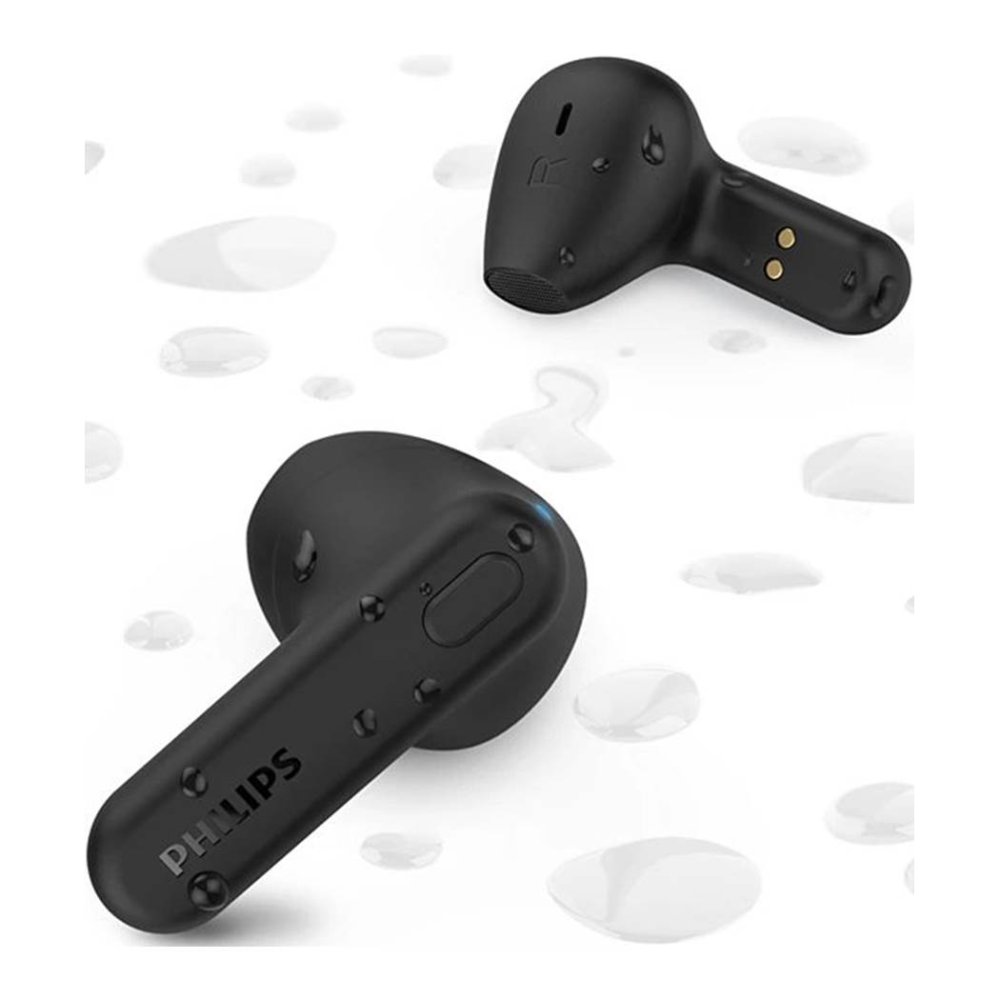
| Other Features | AI-Enhanced Call Clarity : The AI-assisted microphone filters out background noise, ensuring your voice is heard loud and clear, even in the busiest environments. Perfect for professionals and anyone who values uninterrupted, clear communication. All-Day Comfort & Secure Fit : Ergonomically designed to fit securely and comfortably, these earbuds reduce ear fatigue, making them perfect for all-day wear. Whether you're working, commuting, or relaxing, the PHILIPS TWS Earbuds stays snug and comfortable in your ears. Designed For Your Active Lifestyle : With an IPX4 rating, the PHILIPS Bluetooth Earphones are designed to be splash and sweat-resistant, making them perfect for workouts, outdoor activities, or any adventure you take on. Enjoy the freedom to move without compromising on sound quality or comfort. Extended Playtime With Compact Charging Case : Never miss a beat with up to 15 hours of total playtime. The earbuds offer 5 hours of continuous use on a single charge, with an additional 10 hours provided by the sleek, pocket-sized charging case. Recharge quickly and get back to what you love faster. Seamless Connectivity With Bluetooth 5.3 : Enjoy a stable, efficient connection with Bluetooth 5.3. Pairing is a breeze, and you’ll experience fewer dropouts and more consistent sound quality. Whether you're using an Android or iOS device, these bluetooth earbuds with mic delivers a seamless audio experience. |
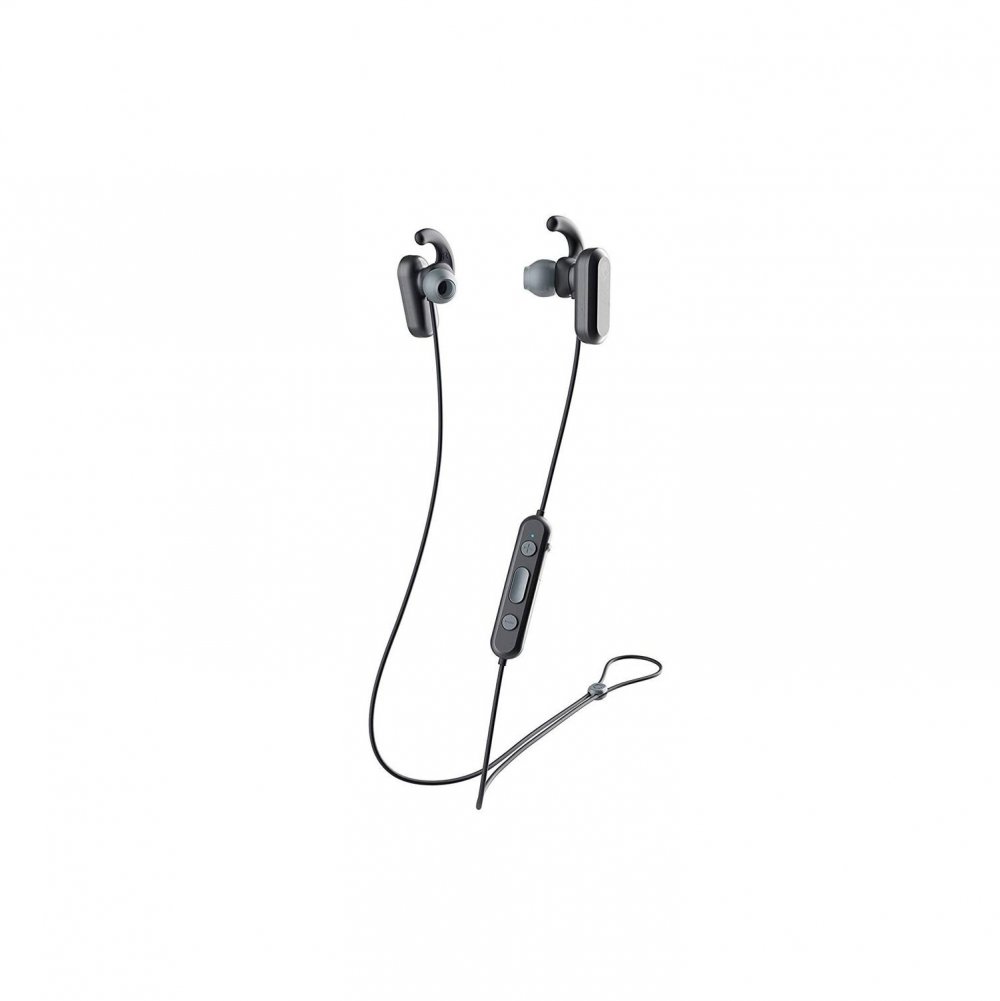
Magnetic Buds. Built-In Tile® Tracker. Active Noise Cancellation. IPX4 Sweat and Water Resistant. Bluetooth® Wireless Technology. Up to 6 Hours of Battery + Rapid Charge. Method Active Noise Canceling earbuds are the low-profile alternative to blocking noise anywhere from an airplane to a city sidewalk. |
Advertisement
Compare Philips TAT1138BK with:
Compare Skullcandy Method ANC with:
Top Differences
- Battery Life: 6 Hours vs 5 + 10 Hours
- Noise Cancelling: Active vs NA
- Driver Size: 9.2 mm vs 13 mm
- Bluetooth: 5.0 vs 5.3
- Weight: 16.6 gm vs 37 GM
Advertisement