 ALERT
ALERT
Philips TAT1108BL vs JBL Tune 115 TWS
Advertisement
| Specification | ||
|---|---|---|
| Price | Rs.3,599.00 |
Rs.3,648.00 |
| Brand | Philips |
JBL |
| Model No | TAT1108BL |
Tune 115 TWS |
| Wired / Wireless | Wireless Headphone Specification |
Wireless Headphone Specification |
| Headphone Type | In Ear |
In Ear |
| Magnet Type | Dynamic |
Dynamic |
| Driver Diameter | 6 mm |
5.8 mm |
| Impedance | 16 Ohms |
14 ohm |
| Sensitivity | 106dB@1KHz |
96dB |
| Frequency Response | 20Hz - 20KHz |
20 Hz - 20000 kHz |
| Maximum Power Input | 5 mW |
5 V |
| Wireless / Bluetooth Details | ||
| Wireless Technology | Bluetooth |
Bluetooth |
| Bluetooth Version | 5.3 |
5.0 |
| Compatible Profiles | All Bluetooth Devices |
All Bluetooth Devices |
| Supported Codecs | SBC |
A2DP, AVRCP, HFP |
| Battery Type | Lithium-Polymer Batteries |
Lithium-ion Battery |
| Bluetooth Range | 10 Meters |
10 Meters |
| Battery Life | 5 + 10 Hours |
5 Hours |
| Charging Time | 2 Hours |
< 2 Hours |
| Noise Cancelling | Active Noise Cancelling |
NA |
| Available Colors | Blue |
Black, White |
| Connector Plating | NA |
No |
| Cable | USB Type-C Charging Cable |
Type-C USB Charging Cable |
| Weight | 36 GM |
73 gm |
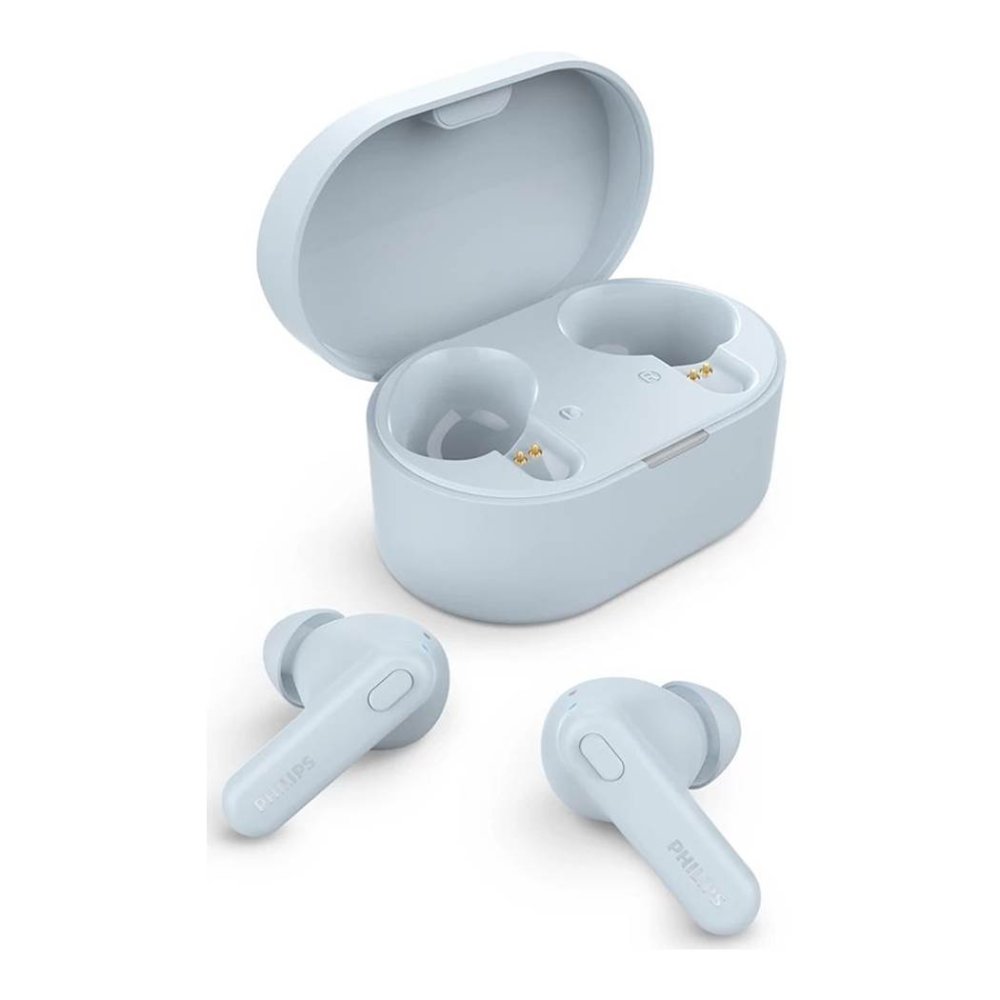
| Other Features | Dynamic 6 mm Drivers Feel the power of sound with 6mm dynamic drivers that deliver powerful and immersive audio. Secure and comfortable fit. Designed to fit securely into your ear canals, these headphones offer comfort during long hours of use. 15 hours playback. It is 5 hours of playback in the headset and another 10h with the charging case. Many hours of sound to keep up with you all day. Splash resistant with IPX4 protection. Don't worry about splashing water, a little rain or sweat during workouts. The Philips TAT1108 headset is IPX4 rating, ensuring resistance to these conditions. AI microphone for clearer calls. With an advanced Artificial Intelligence algorithm, this headset provides clearer calls, filtering out unwanted noise and providing a clearer communication experience. Clear call quality : Don't let sounds from the world interrupt your listening. These headphones feature an AI microphone that uses an advanced AI algorithm to filter out the noise you don't want to hear and ensure clear call quality. Hear each other clearly every time. |
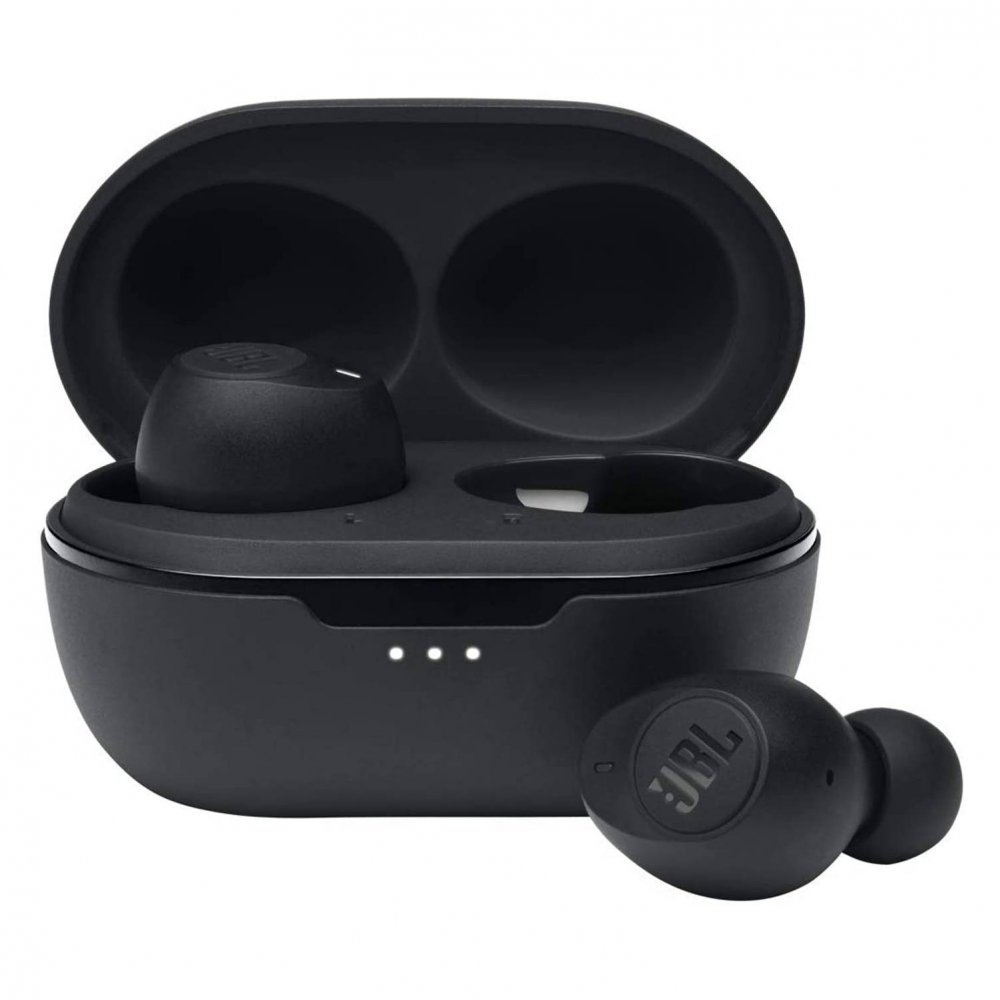
Feel the Bass. Listen for Longer. Either Ear, or Both. Pure Bass. Zero Cables. Hands-free calls and access to Voice Assistant. JBL has powered festivals and concerts around the world for decades. Now let JBL bring your own world to life with incredible Pure Bass sound. Experience total freedom with the True Wireless JBL TUNE 115TWS earbuds but in full comfort. Snug-fitting they come with 3 sizes of eartips to fit your size. With up to 21 hours of battery life (6 hours from earbud and 15 hours from the case), you can listen all day and all night and get a top up with just 15-minute charge. Keep your own private concert going for as long as you can keep up. |
Advertisement
Compare Philips TAT1108BL with:
Compare JBL Tune 115 TWS with:
Top Differences
- Noise Cancelling: NA vs Active Noise Cancelling
- Driver Size: 5.8 mm vs 6 mm
- Bluetooth: 5.0 vs 5.3
- Weight: 73 gm vs 36 GM
- Impedance: 14 ohm Vs 16 Ohms
Advertisement