 ALERT
ALERT
Philips TAE1159GD vs Beyerdynamic Beat Byrd
Advertisement
| Specification | ||
|---|---|---|
| Price | Rs.999.00 |
Rs.999.00 |
| Brand | Philips |
Beyerdynamic |
| Model No | TAE1159GD |
Beat Byrd |
| Wired / Wireless | Wired Headphone Specification |
Wired Headphone Specification |
| Headphone Type | In Ear |
In Ear |
| Magnet Type | Dynamic |
Dynamic |
| Driver Diameter | 10 mm |
NA |
| Impedance | 32±10% Ohms |
18 ohm |
| Sensitivity | 104dB ±3dB |
104 dB SL |
| Frequency Response | 20Hz - 20KHz |
15 - 21,000 Hz |
| Maximum Power Input | 5 mW |
1 mW |
| Noise Cancelling | Sound Isolation |
NA |
| Available Colors | Gold |
Black, Orange |
| Connector Plating | USB Type-C |
3.5 mm Gold-Plated Stereo Jack |
| Cable | Rubberised Copper Cable |
Tangle Resistant Cable |
| Weight | 15 GM |
5 g |
| Other Features | Enhanced Flexibility : Provides the ideal cable length of 1.2m for freedom of movement.Keep your audio device conveniently placed while enjoying uninterrupted sound. Durable Design With Rubberised Cable Relief : Soft rubber protection between headphones and cable enhances durability.Prevents damage to the cable connection caused by repeated bending. Customizable Fit With Interchangeable Ear Caps : Includes three ear cap sizes (small, medium, large) for a personalized fit.Designed to ensure optimal comfort and secure placement for all ear sizes. Perfect In-Ear Seal For Immersive Sound : Super-small speaker drivers ensure a comfortable fit inside the ear.Snug earbud design blocks external noise, delivering an intense, high-quality listening experience. Hands-Free Calling With Integrated Microphone : Features a built-in microphone and call button for effortless switching between music and calls.Enjoy hands-free convenience while accepting and ending calls directly from your headset.Perfect for seamless connectivity with your mobile phone. |
True reliability and extremely sustainable. Well-balanced sound tuning and punchy bass. Ergonomically shaped housing ensures secure and snug fit in the ear. Flexible and well-designed cable, remains free of zigzag distortions and is pleasant to wear. |
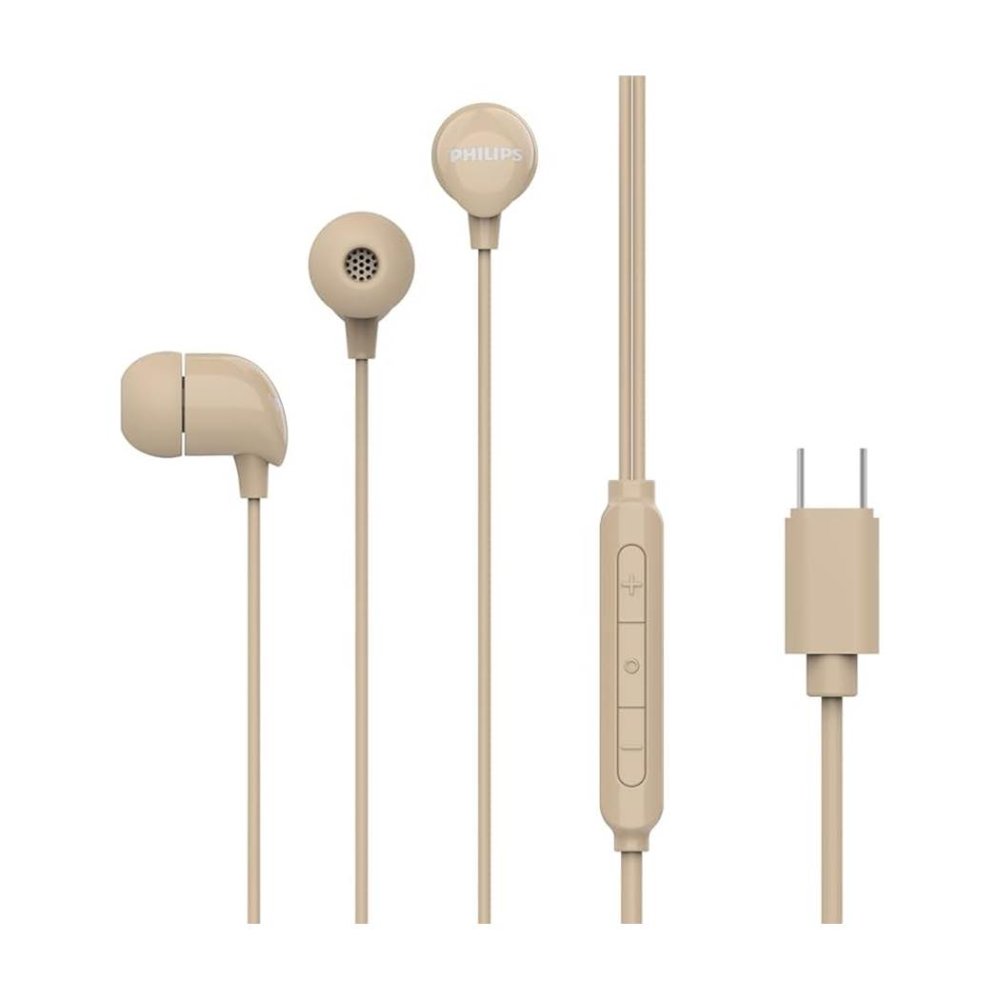
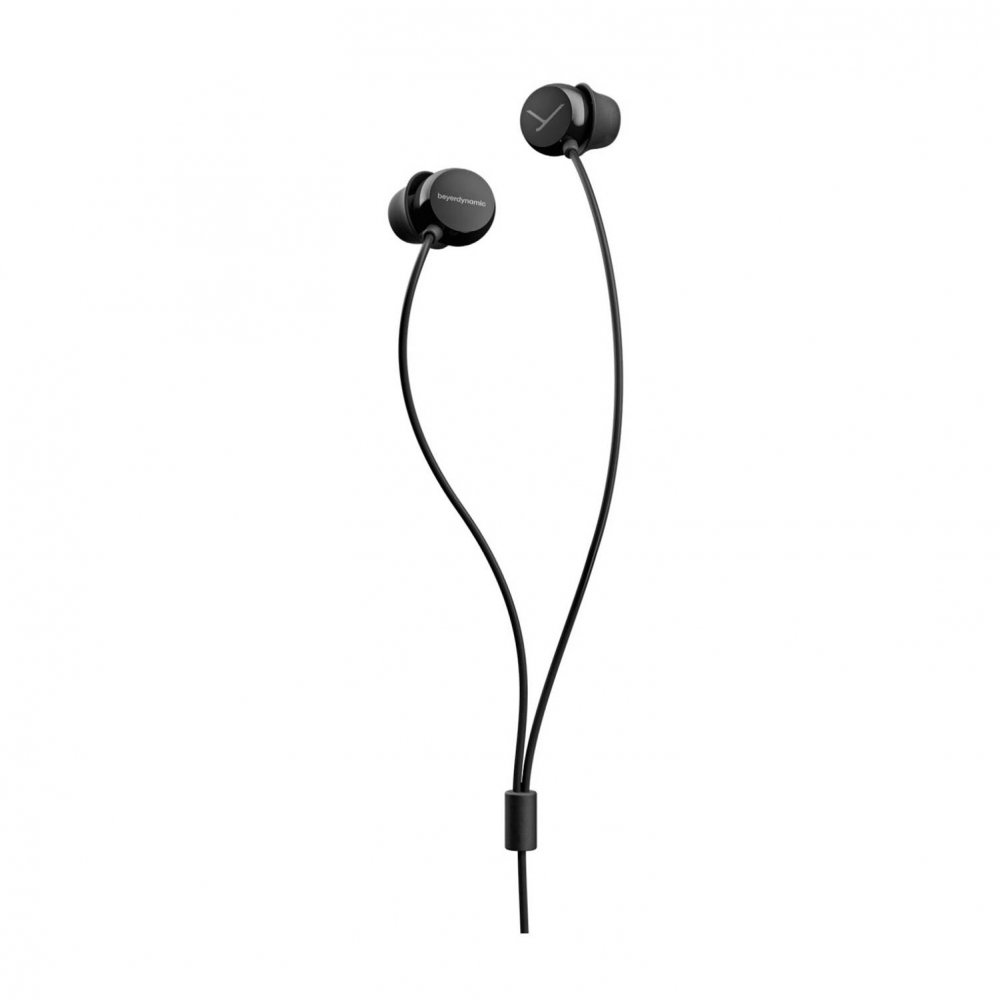
Advertisement
Compare Philips TAE1159GD with:
Compare Beyerdynamic Beat Byrd with:
Top Differences
- Noise Cancelling: NA vs Sound Isolation
- Driver Size: NA vs 10 mm
- Weight: 5 g vs 15 GM
- Impedance: 18 ohm Vs 32±10% Ohms
Advertisement