 ALERT
ALERT
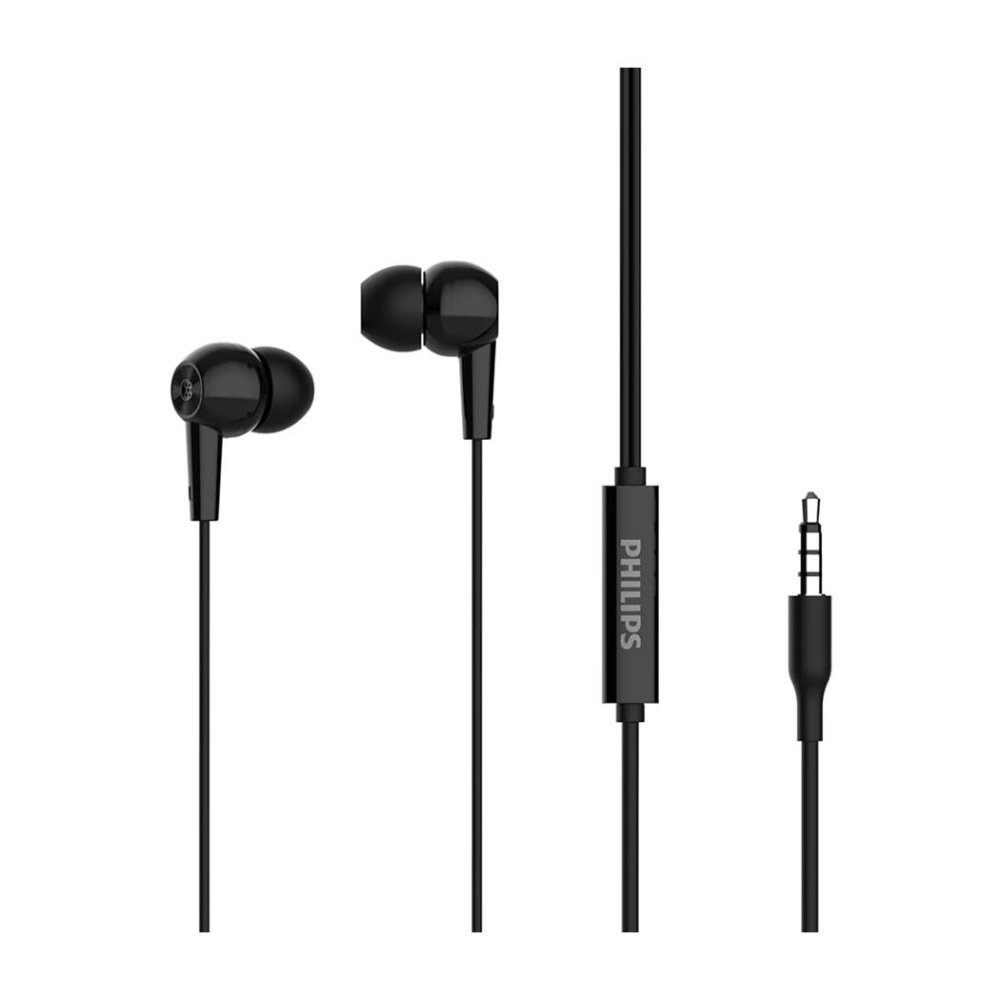
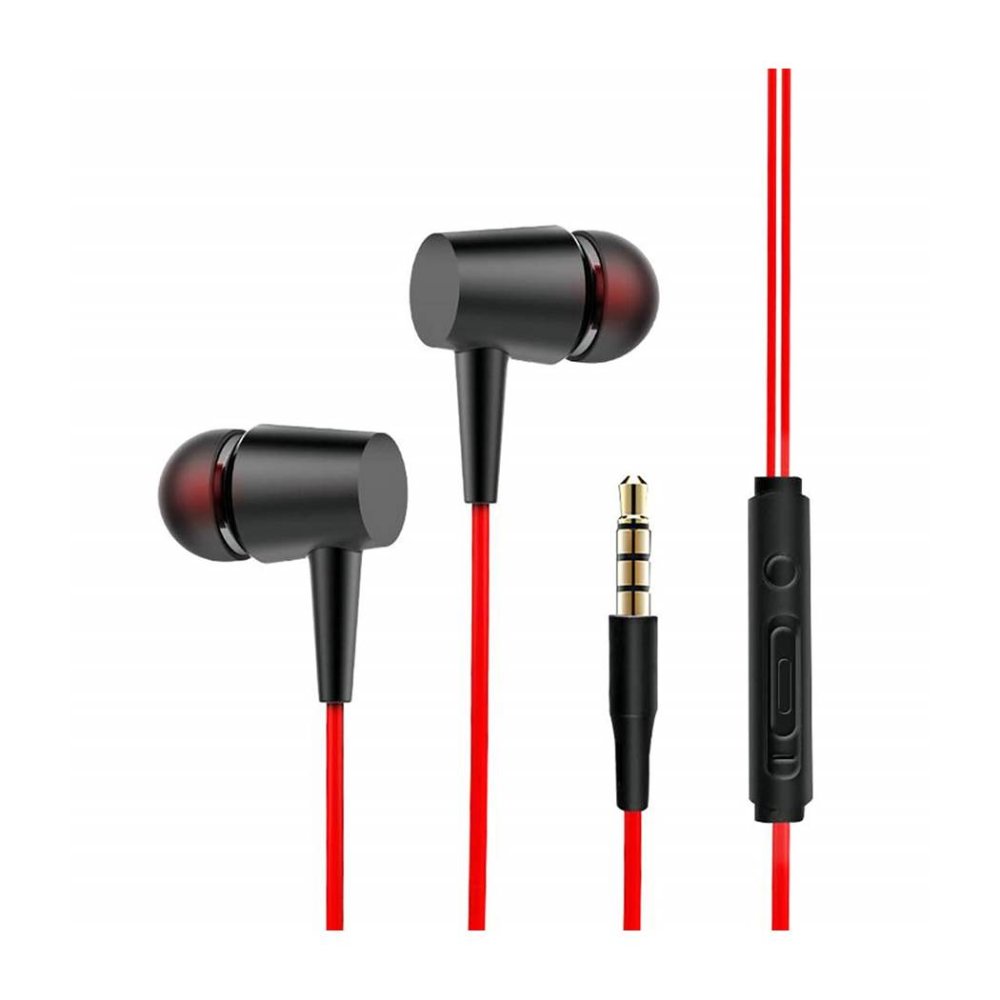
Philips TAE1107BK vs pTron Alpha In-Ear
Advertisement
| Specification | ||
|---|---|---|
| Price | Rs.399.00 |
Rs.349.00 |
| Brand | Philips |
pTron |
| Model No | TAE1107BK |
Alpha In-Ear |
| Wired / Wireless | Wired Headphone Specification |
Wired Headphone Specification |
| Headphone Type | In Ear |
In Ear |
| Magnet Type | Dynamic |
Dynamic |
| Driver Diameter | 8.6 mm |
10 mm |
| Impedance | 32 Ohms |
16+-20% Ohms |
| Sensitivity | 110dB@1KHz |
95±3dB |
| Frequency Response | 20Hz - 20KHz |
20Hz - 20KHz |
| Maximum Power Input | 5 mW |
30 mW |
| Noise Cancelling | Active Noise Cancelling |
Passive Noise Cancelling |
| Available Colors | Black |
Red |
| Connector Plating | 3.5 mm Gold-Plated Jack |
3.5 mm Gold-Plated Jack |
| Cable | Tangle Free Cable |
Tangle Free Cable |
| Weight | 11 GM |
30 GM |
| Other Features | 3 SIZE EARCUPS : With three different options to choose from based on ear size – small, medium and large – these earphones are guaranteed to stay fit while you move. CLASSIC COMFORT : Ergonomically compact and lightweight earphones bring no burden to your ears, perfect for long time use, suitable for cycling, jogging, climbing and outdoor activities. PERFECT IN-EAR SELAL : The Super-small speaker drivers of these earphones fit comfortably inside the ear and thanks to the exceptionally snug fit the outside noise is sealed out for high-intensity listening experience. RICH BASS AND CLEAR SOUND : Quality 8.6mm dome type driver units built with innovative sound-absorbing holes deliver powerful deep bass, making the sound more layered, allowing you to clearly feel Instrument sounds and vocals. DURABLE & COMPATIBLE : The earphones cord is made soft and flexible so it’s not easy to knot and entangle, and the capability of strong tensile makes you no longer to worry about it will be torn. Compatible with the most Android and Apple devices. |
Clear, crisp and stereo sound quality. PTron Alpha in-ear noise canceling headset can definitely help you. If you want to keep your music just to yourself then good pair earphones are must. Ergonomically designed earbuds will be comfortable to put on without any discomfort. Gold-plated 3.5mm audio jack is widely compatible so no need to worry about usability. You will receive extraordinary performance by these headphones with mic and volume control. These audio headphones are Multi-purpose. You can listen to your favourite songs and also answer phone calls. In-line remote will assist you to manage music and calls. Combined with excellent audio, a tangle-resistant cable and unique styling that embodies the PTron Alpha. |
Advertisement
Compare Philips TAE1107BK with:
Compare pTron Alpha In-Ear with:
Top Differences
- Noise Cancelling: Passive Noise Cancelling vs Active Noise Cancelling
- Driver Size: 10 mm vs 8.6 mm
- Weight: 30 GM vs 11 GM
- Impedance: 16+-20% Ohms Vs 32 Ohms
Advertisement