 ALERT
ALERT
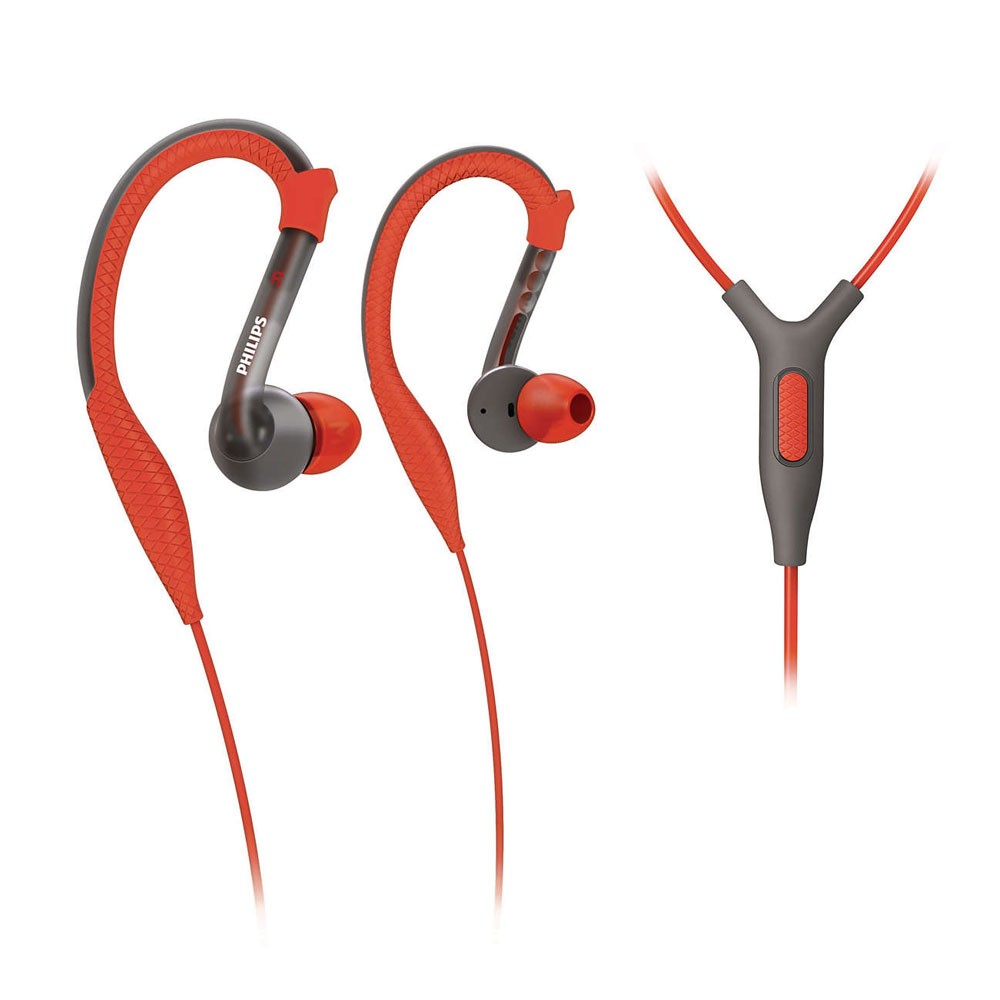
Philips SHQ3205-10 vs JBL T280A Silver
Advertisement
| Specification | ||
|---|---|---|
| Price | Rs.2,000.00 |
Rs.1,999.00 |
| Brand | Philips |
JBL |
| Model No | SHQ3205-10 |
T280A Silver |
| Wired / Wireless | Earphone Specification |
Earphone Specification |
| Headphone Type | In Ear Canal |
In Ear Canal |
| Magnet Type | Neodymium |
Neodymium |
| Driver Diameter | 9 mm |
9 mm |
| Impedance | 16 Ohms |
16 Ohms |
| Sensitivity | 102 dB/mW |
108 dB/mW |
| Frequency Response | 15 Hz - 22000 Hz |
20 Hz - 20000 Hz |
| Maximum Power Input | 20 mW |
5 mW |
| Noise Cancelling | NA |
NA |
| Available Colors | Grey, Orange |
Grey |
| Connector Plating | 3.5 mm Gold Plated Jack |
3.5 mm Gold Plated Jack |
| Cable | 1.2 m |
1.1 m |
| Weight | 8 g |
32 g |
| Other Features | - Designed for Sports - Patented adjustable ear hook for a secure fit - Excellent sound generated by 9mm drivers - Kevlar-reinforced cable for ultimate durability - Powerful bass to boost motivation - Ultrasoft silicon caps sit comfortably in your ears - Sweat resistant and rain proof – ideal for any workout - 3 choices of ear cap sizes for optimal fit - Reflective stopper in the cable - Cable clip and protective pouch for easy use and storage - Reflective universal microphone |
- JBL Signature Sound - Single Button Mic and Remote - Durable tangle resistant flat cable |
Advertisement
Compare Philips SHQ3205-10 with:
Compare JBL T280A Silver with:
Top Differences
- Weight: 8 g vs 32 g
Advertisement