 ALERT
ALERT
Advertisement
| Specification | ||
|---|---|---|
| Price | Rs.1,600.00 |
Rs.1,490.00 |
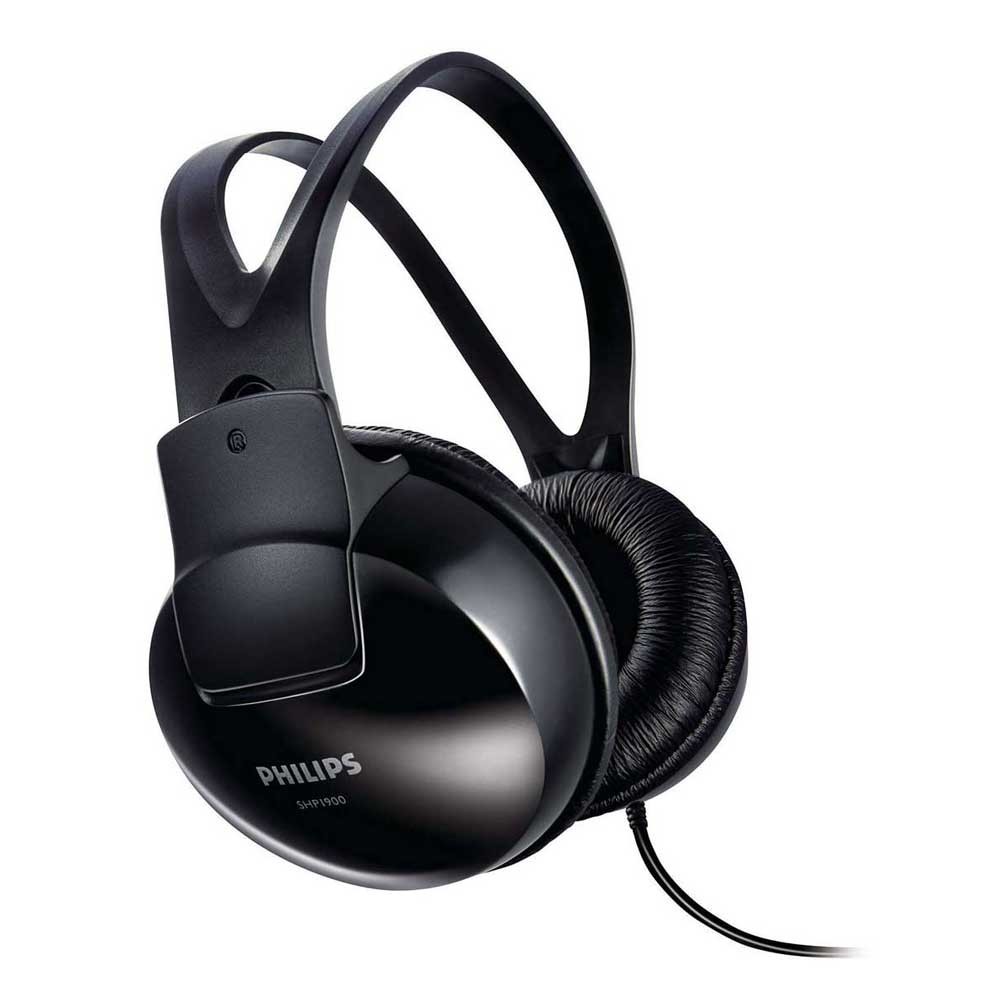
| Brand | Philips |
Sony |
| Model No | SHP1900-00 |
MDR-XB250 |
| Wired / Wireless | Wired Headphone Specification |
Wired Headphone Specification |
| Headphone Type | Over Ear |
On Ear |
| Magnet Type | Neodymium |
NA |
| Driver Diameter | 40 mm |
30 mm |
| Impedance | 32 Ohms |
24 ohms |
| Sensitivity | 98 dB/mW |
98 dB |
| Frequency Response | 20 - 20,000Hz |
5 - 40,000 Hz |
| Maximum Power Input | 100 Mw |
1000 mW |
| Noise Cancelling | NA |
No |
| Available Colors | Black |
Black, White |
| Connector Plating | 3.5 mm jack chrome-plated |
L-Shaped 3.5 mm Gold Plated Jack |
| Cable | 2 m |
1.2 m Y-Type |
| Weight | 195 g |
140 g (without cable) |
| Other Features | - Acoustic system : Open - Full-size headphones with lightweight design for comfortable listening - Redesigned ear cushions to improve the bass response |
- Mold Headband, Swivel folding design - Tangle free flat serration cord |
Advertisement
Compare Philips SHP1900-00 with:
Compare Sony MDR-XB250 with:
Top Differences
- Noise Cancelling: No vs NA
- Driver Size: 30 mm vs 40 mm
- Weight: 140 g (without cable) vs 195 g
- Impedance: 24 ohms Vs 32 Ohms
Advertisement