 ALERT
ALERT
Philips SHO9567BK-28 vs Beyerdynamic DT 131
Advertisement
| Specification | ||
|---|---|---|
| Price | Rs.2,200.00 |
Rs.2,399.00 |
| Brand | Philips |
Beyerdynamic |
| Model No | SHO9567BK-28 |
DT 131 |
| Wired / Wireless | Wired Headphone Specification |
Wired Headphone Specification |
| Headphone Type | Over Ear |
Over Ear |
| Magnet Type | Neodymium |
Neodymium |
| Driver Diameter | 40 mm |
NA |
| Impedance | 24 ohms |
40 Ohms |
| Sensitivity | 106 dB |
96 dB/mW |
| Frequency Response | 22 - 19500 Hz |
20 Hz - 18000 Hz |
| Maximum Power Input | NA |
50 mW |
| Noise Cancelling | No |
NA |
| Available Colors | Black, Pink |
Grey |
| Connector Plating | 24k Gold Plated, 3.5 mm Stereo |
3.5 mm Gold Plated Jack |
| Cable | OFC, 1.2m |
2.5 m |
| Weight | 178 g |
130 g |
| Other Features | - Total harmonic distortion: 0.7% - Volume and Tuning Control - Replaceable Ear Pads - Cable stress relief to prevent breakage - Dimension: 17cm x 19.5cm x 7.5cm - Singled-sided cable - Tough tangle-free cable and reinforced connectors - Super stretch headband for enhanced durability |
- Open, dynamic headphone - Natural, transparent sound - Suitable for surround sound - Single-sided cable with 2,5 meters in length - Soft cotton jersey ear pads - Easy servicing / all parts replaceable |
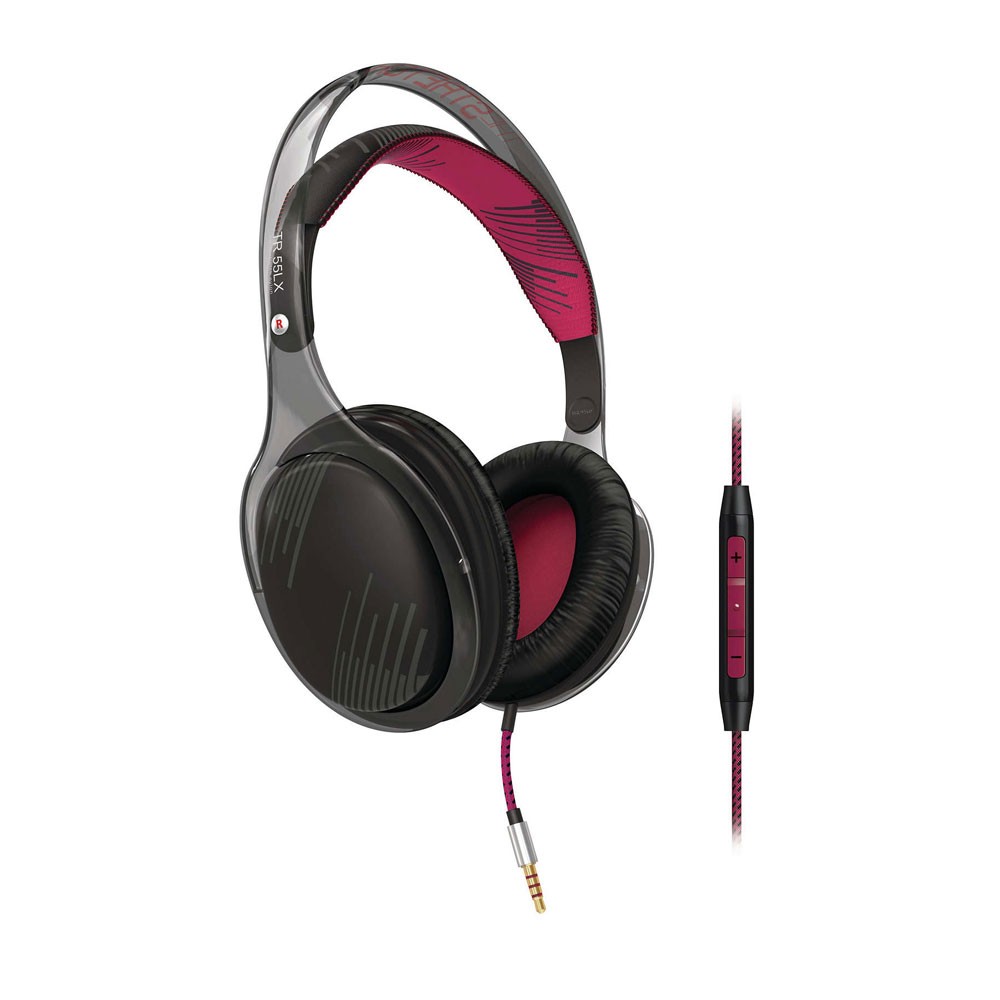
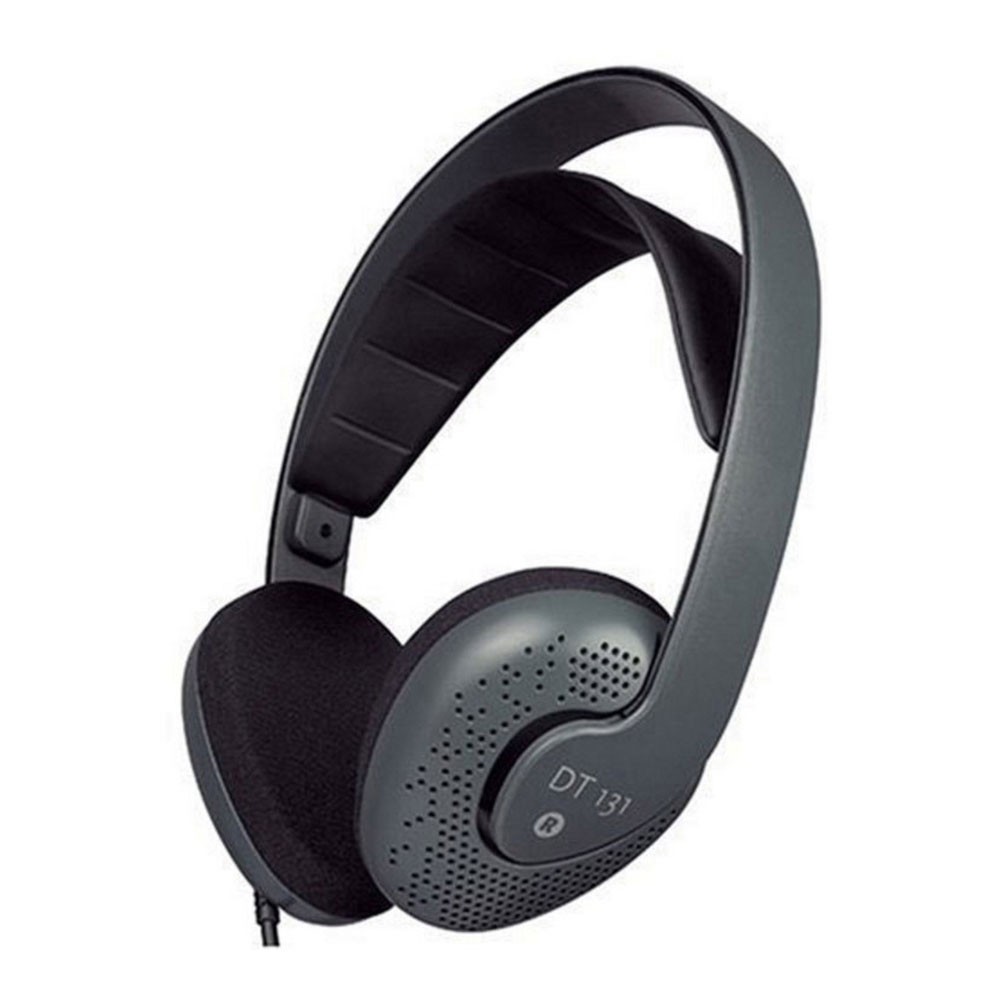
Advertisement
Compare Philips SHO9567BK-28 with:
Compare Beyerdynamic DT 131 with:
Top Differences
- Noise Cancelling: No vs NA
- Driver Size: 40 mm vs NA
- Weight: 178 g vs 130 g
- Impedance: 24 ohms Vs 40 Ohms
Advertisement