 ALERT
ALERT
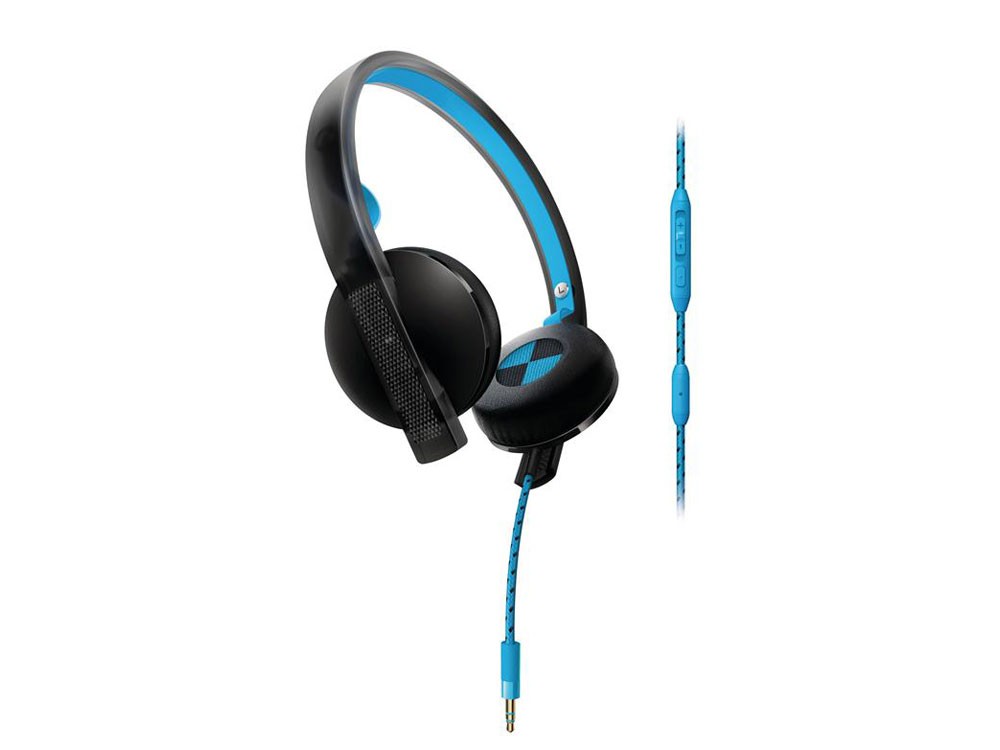
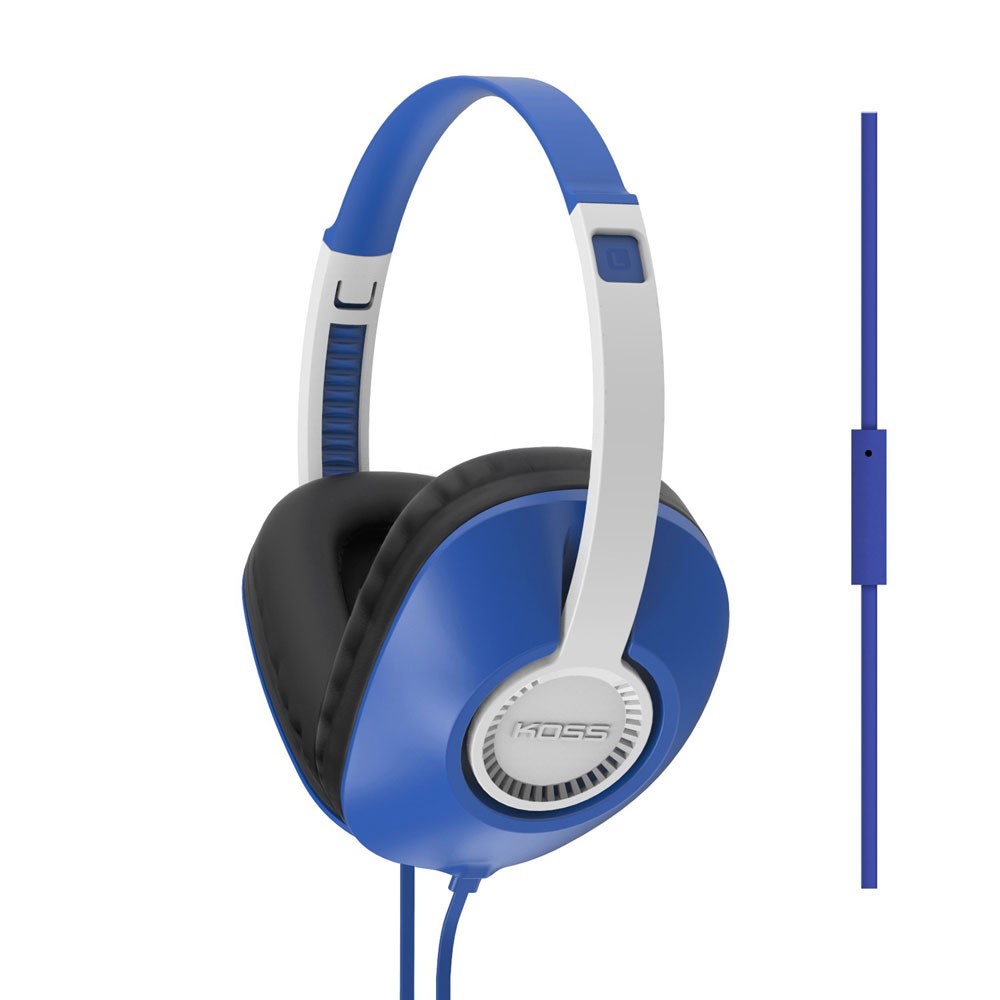
Philips SHO4205BB-10 vs Koss UR23i
Advertisement
| Specification | ||
|---|---|---|
| Price | Rs.3,500.00 |
Rs.3,500.00 |
| Brand | Philips |
Koss |
| Model No | SHO4205BB-10 |
UR23i |
| Wired / Wireless | Wired Headphone Specification |
Wired Headphone Specification |
| Headphone Type | On Ear |
Over Ear |
| Magnet Type | Neodymium |
Neodymium |
| Driver Diameter | 40 mm |
40 mm |
| Impedance | 32 Ohms |
34 Ohms |
| Sensitivity | 107 dB/mW |
94 dB/mW |
| Frequency Response | 15 Hz - 24000 Hz |
20 Hz - 20000 Hz |
| Maximum Power Input | 100 mW |
NA |
| Noise Cancelling | NA |
NA |
| Available Colors | Blue |
Black, White, Blue, Green |
| Connector Plating | 3.5 mm Gold Plated Jack |
3.5 mm Gold Plated Jack |
| Cable | 1.2 m |
1.4 m |
| Weight | 280 g |
NA |
| Other Features | - Universal mic, volume and track control - Adjustable fit & Ultra flexible headband - Tough tangle-free cable with reinforced connectors |
- One touch Microphone - Unique D-profile - Superior Isolation - Closed back design |
Advertisement
Compare Philips SHO4205BB-10 with:
Compare Koss UR23i with:
Top Differences
- Weight: 280 g vs NA
- Impedance: 32 Ohms Vs 34 Ohms
Advertisement