 ALERT
ALERT
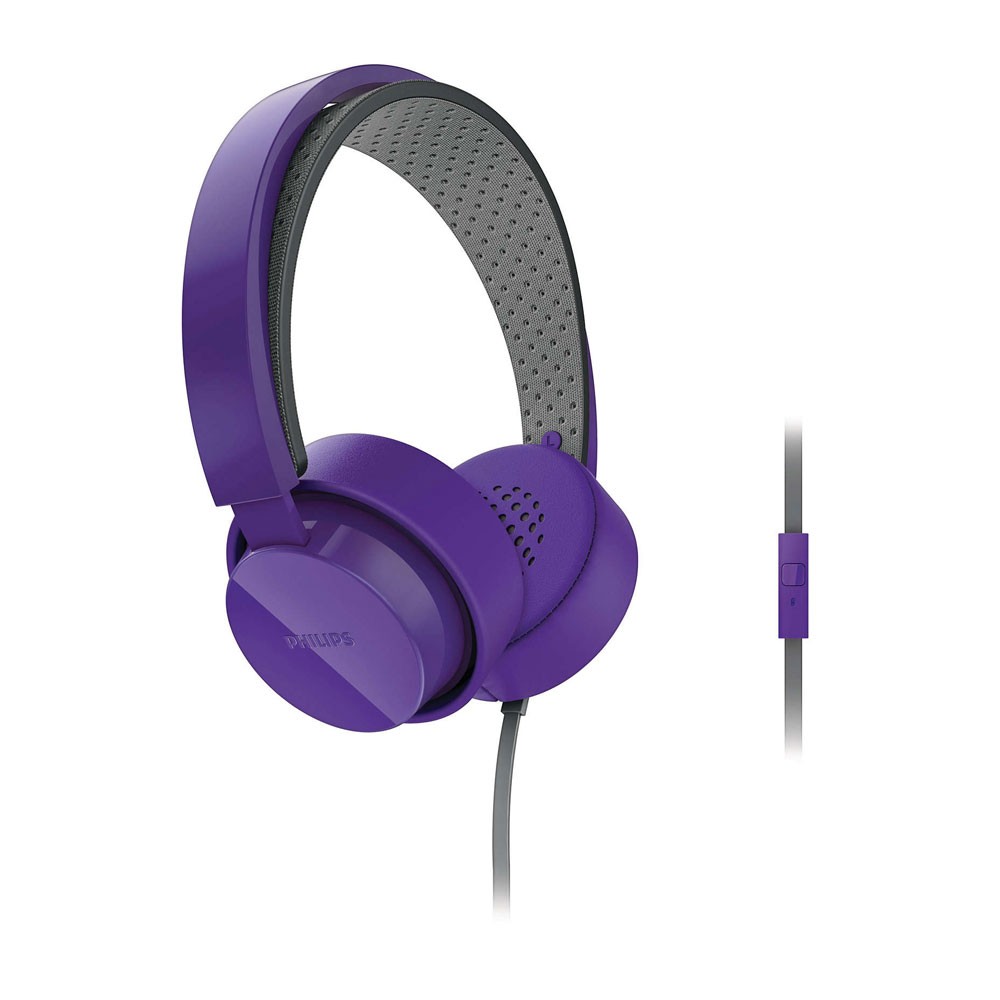
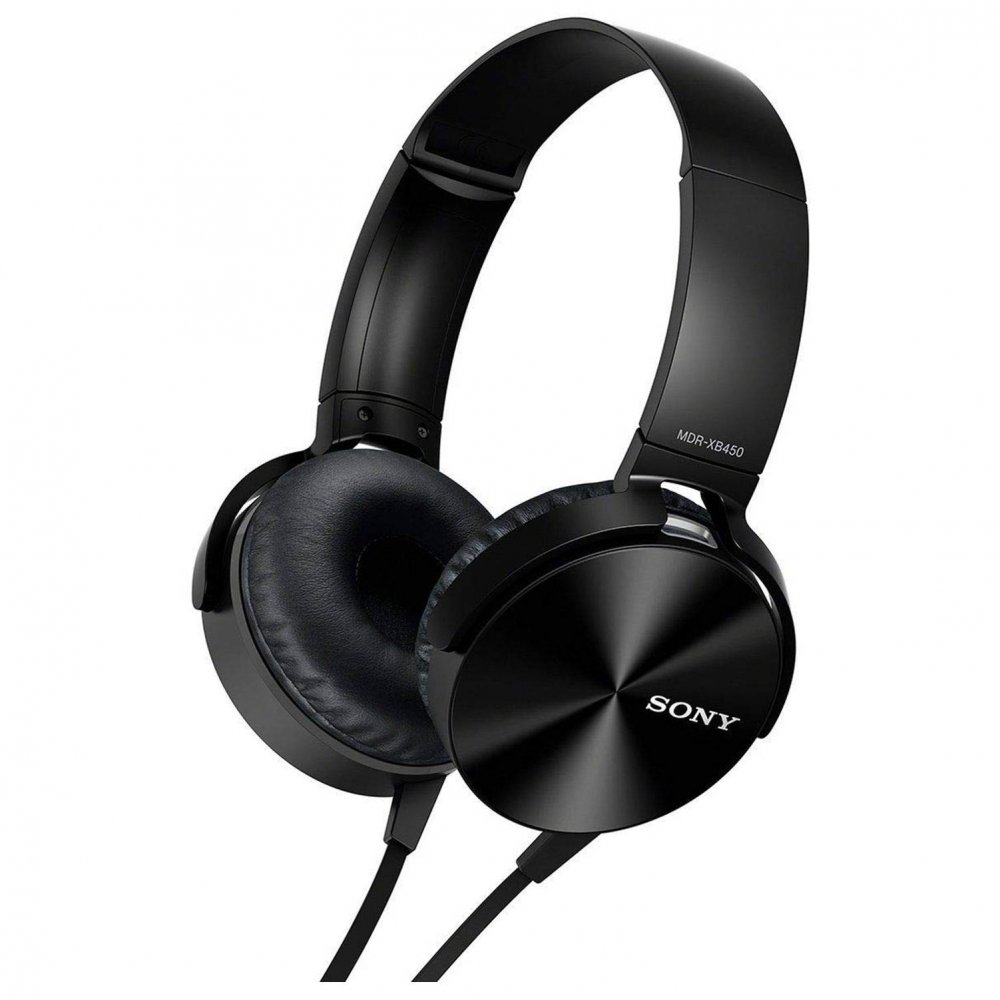
Philips SHL5205PP-10 vs Sony XB450
Advertisement
| Specification | ||
|---|---|---|
| Price | Rs.2,249.00 |
Rs.2,190.00 |
| Brand | Philips |
Sony |
| Model No | SHL5205PP-10 |
XB450 |
| Wired / Wireless | Wired Headphone Specification |
Wired Headphone Specification |
| Headphone Type | On Ear |
Over Ear |
| Magnet Type | Neodymium |
Neodymium |
| Driver Diameter | 40 mm |
30 mm |
| Impedance | 32 Ohms |
24 ohm |
| Sensitivity | 103 dB/mW |
102 dB/mW |
| Frequency Response | 10 Hz - 20000 Hz |
5 Hz - 22,000 Hz |
| Maximum Power Input | 30 mW |
1000 mW |
| Noise Cancelling | NA |
No |
| Available Colors | Purple |
Black, Blue, Red |
| Connector Plating | 3.5 mm Gold Plated Jack |
Gold Plated Stereo 3.5 mm |
| Cable | 1.2 m |
Tangle-free cable |
| Weight | 176 g |
165 gm |
| Other Features | - Powered by Deep, Dynamic Bass - Powerful 40mm Drivers Deliver Deep and Dynamic Bass - Flat 1.2m Anti-Tangle Cable Keeps you Kink- and Knot-Free - Soft Breathable Headband for Long-Listening Comfort - Soft Foam Cushions for Music Enjoyment in True Comfort - Switch From Music to Phone Calls with Built-In Microphone |
Electro Bass Booster enhances deep beats without distorting vocals. Bass Booster delivers powerful bass. Swivel design for listening on the go. Cushioned earpads for extra comfort. Deep clear audio with an extended frequency range. A full-bodied musical experience awaits you. L-shaped gold-plated stereo mini plug. A durable, finely grooved serrated cable reduces tangling. Delivers powerful bass sound from the compact housing, by the specially engineered Extra Bass 30 mm drivers. The earpads provide wrap-around comfort with an improved acoustic seal. It also delivers powerful bass sound directly. |
Advertisement
Compare Philips SHL5205PP-10 with:
Compare Sony XB450 with:
Top Differences
- Noise Cancelling: NA vs No
- Driver Size: 40 mm vs 30 mm
- Weight: 176 g vs 165 gm
- Impedance: 32 Ohms Vs 24 ohm
Advertisement