 ALERT
ALERT
| Specification | ||
|---|---|---|
| Price | Rs.1,300.00 |
Rs.1,280.99 |
| Brand | Philips |
JBL |
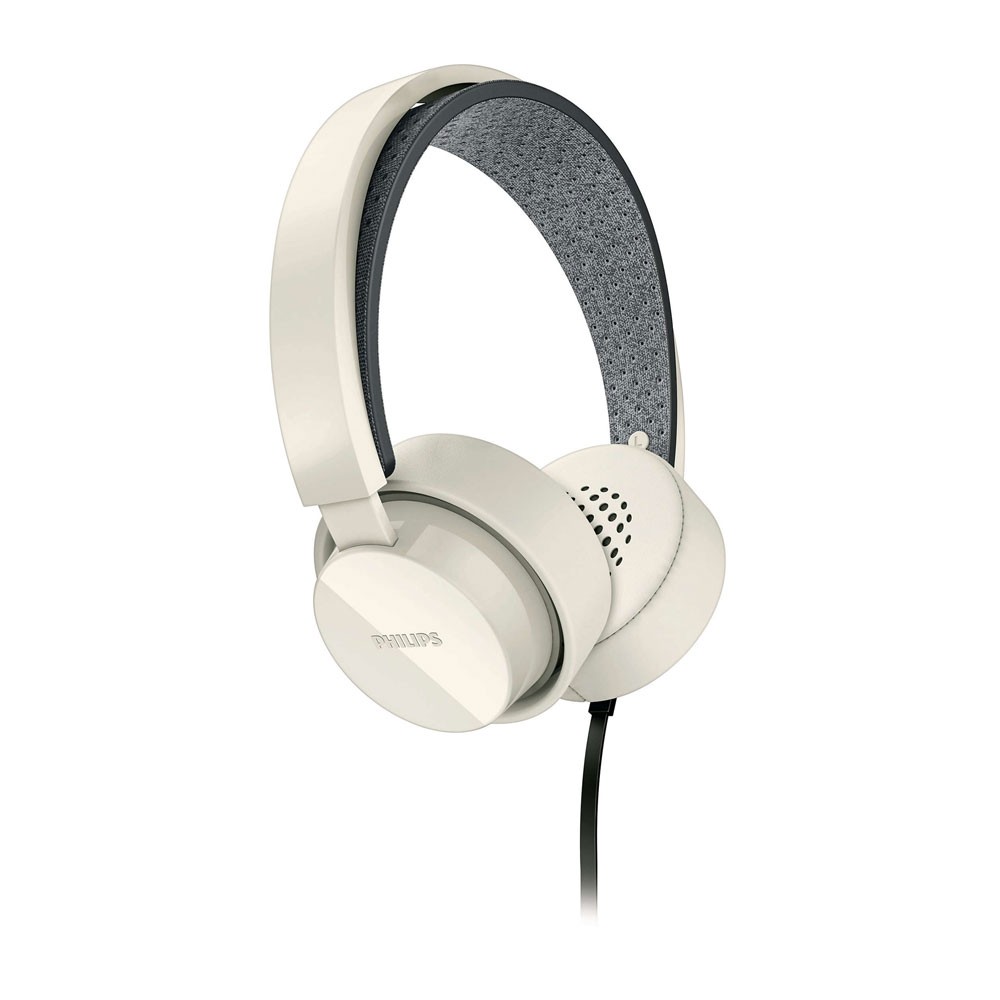
| Model No | SHL5200WT-10 |
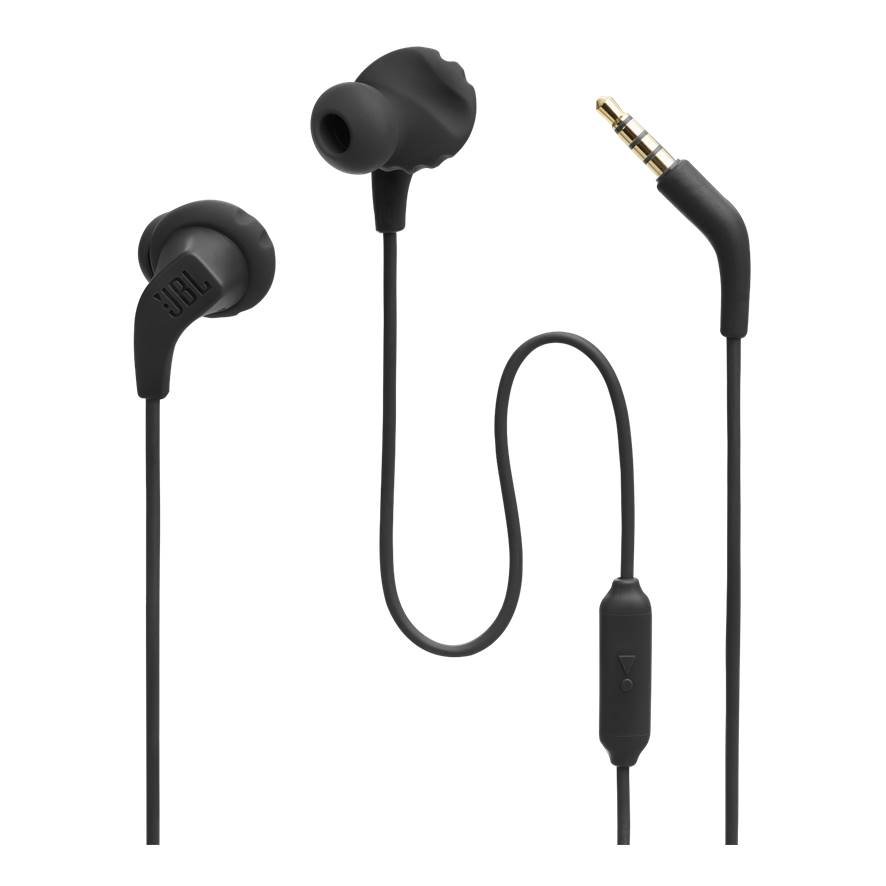
Endurance Run 2 Wired |
| Wired / Wireless | Wired Headphone Specification |
Wired Headphone Specification |
| Headphone Type | On Ear |
In Ear |
| Magnet Type | Neodymium |
Dynamic |
| Driver Diameter | 40 mm |
8.2 mm |
| Impedance | 32 Ohms |
16 Ohms |
| Sensitivity | 106 dB/mW |
102 dB SPL@ 1kHz |
| Frequency Response | 20 Hz - 20000 Hz |
20 Hz - 20KHz |
| Maximum Power Input | 30 mW |
NA |
| Noise Cancelling | NA |
NA |
| Available Colors | White |
Black, White, Blue, Red, Grey |
| Connector Plating | 3.5 mm Gold Plated Jack |
3.5 mm Jack |
| Cable | 1.2 m |
Tangle-Free Cable |
| Weight | 176 g |
60 GM |
| Other Features | - Powered by Deep, Dynamic Bass - Powerful 40mm Drivers Deliver Deep and Dynamic Bass - Flat 1.2m Anti-Tangle Cable Keeps you Kink- and Knot-Free - Soft Breathable Headband for Long-Listening Comfort - Soft Foam Cushions for Music Enjoyment in True Comfort - Switch From Music to Phone Calls with Built-In Microphone |
MAGNETIC BUDS : The Magnetic earbuds provide Tangle free easy cable management when not in use. FLIP HOOK TECHNOLOGY : Flexible two-way design allows you to wear the headphones either in-ear or behind-the-ear. JBL PURE BASS SOUND : Enjoy the bold sound with rich bass that is delivered by the 8.2mm dynamic drivers of the JBL Endurance Run 2. TWISTLOCK AND FLEXSOFT TECHNOLOGIES : Never hurt. Never fall out. These headphones are lightweight and ergonomically built to ensure secure fit and stability no matter the workout. HANDS-FREE CALLS : In-line one button remote with microphone enables hands-free calling, allowing you to focus on your workout. A long press of the button activates Google Now or Siri. IPX5 SWEATPROOF : Designed to endure and outlast your high intensity outdoor or indoor workout sessions, the IPX5 rating protects against sweat & water so that you can hit the gym or travel anywhere being carefree. |
Compare Philips SHL5200WT-10 with:
Compare JBL Endurance Run 2 Wired with:
Top Differences
- Driver Size: 40 mm vs 8.2 mm
- Weight: 176 g vs 60 GM
- Impedance: 32 Ohms Vs 16 Ohms