 ALERT
ALERT
Advertisement
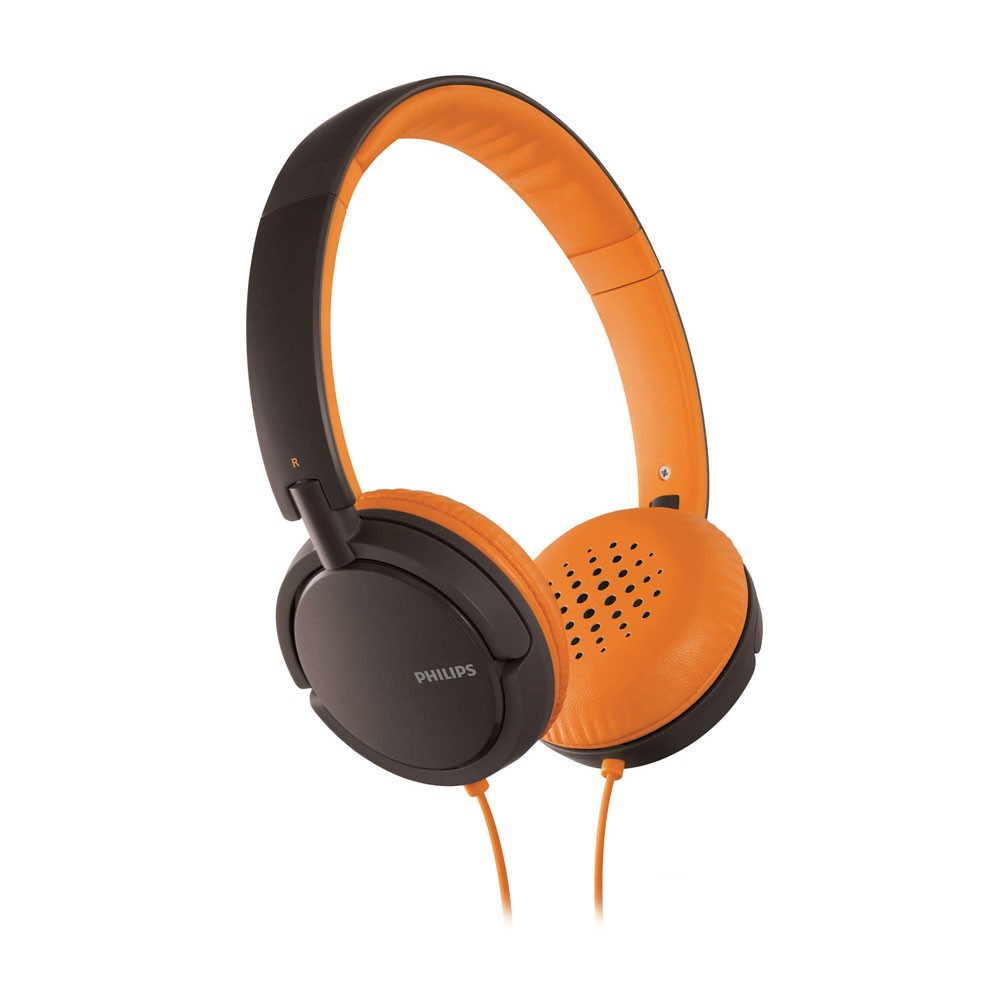
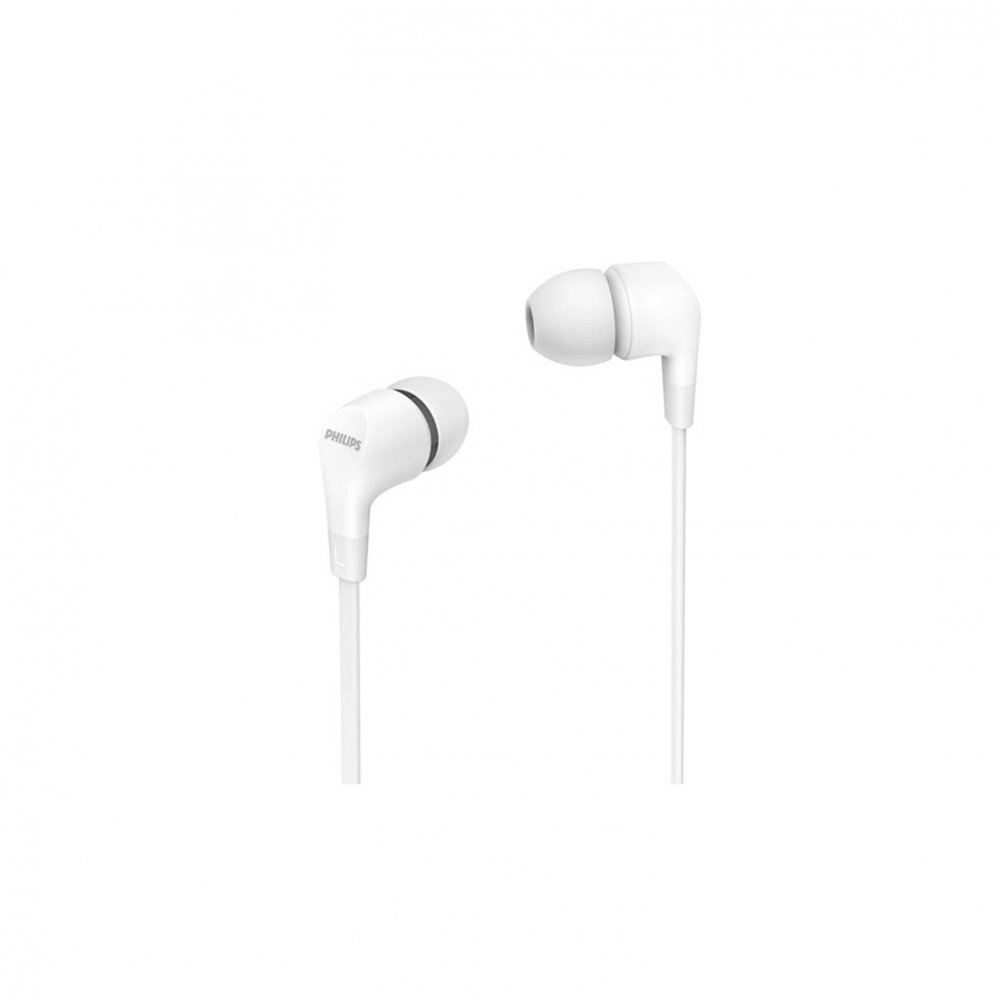
| Specification | ||
|---|---|---|
| Price | Rs.1,500.00 |
Rs.1,351.00 |
| Brand | Philips |
Philips |
| Model No | SHL5001-10 |
TAE1105WT/00 |
| Wired / Wireless | Wired Headphone Specification |
Wired Headphone Specification |
| Headphone Type | On Ear |
In Ear Canal |
| Magnet Type | Neodymium |
Neodymium |
| Driver Diameter | 40 mm |
8.6 mm |
| Impedance | 32 Ohms |
16 ohm |
| Sensitivity | 106 dB/mW |
102dB |
| Frequency Response | 10 Hz - 28000 Hz |
20 Hz - 20000 kHz |
| Maximum Power Input | 50 mW |
10 mW |
| Noise Cancelling | NA |
Passive |
| Available Colors | Yellow |
White |
| Connector Plating | 3.5 mm Gold Plated Jack |
3.5 mm Stereo Chrome-Plated Jack |
| Cable | 1.2 m |
Tangle- Free Flat Cable |
| Weight | 123 g |
18 gm |
| Other Features | - Headphone folds flat for easy storing and carrying - Steelspring headband for a flexible fit on your head - Soft Ear cushions so you can keep on listening - Lightweight headband enhances comfort and adds durability - 30mm Speaker drivers give you great sound with a deep bass - Soft cushions that smartly cover your ear to block out any ambient noise. |
Punchy bass. Clear sound. Flat cable for fewer tangles. Rock your sounds in real comfort. Easily wake your phone's voice assistant. Inline remote. Switch from playlist to calls. Ergonomic acoustic tube. 3 sizes of rubber earbud cover. Powerful 8.6 mm neodymium drivers. Gold-plated connector. |
Advertisement
Compare Philips SHL5001-10 with:
Compare Philips TAE1105WT/00 with:
Top Differences
- Noise Cancelling: NA vs Passive
- Driver Size: 40 mm vs 8.6 mm
- Weight: 123 g vs 18 gm
- Impedance: 32 Ohms Vs 16 ohm
Advertisement