 ALERT
ALERT
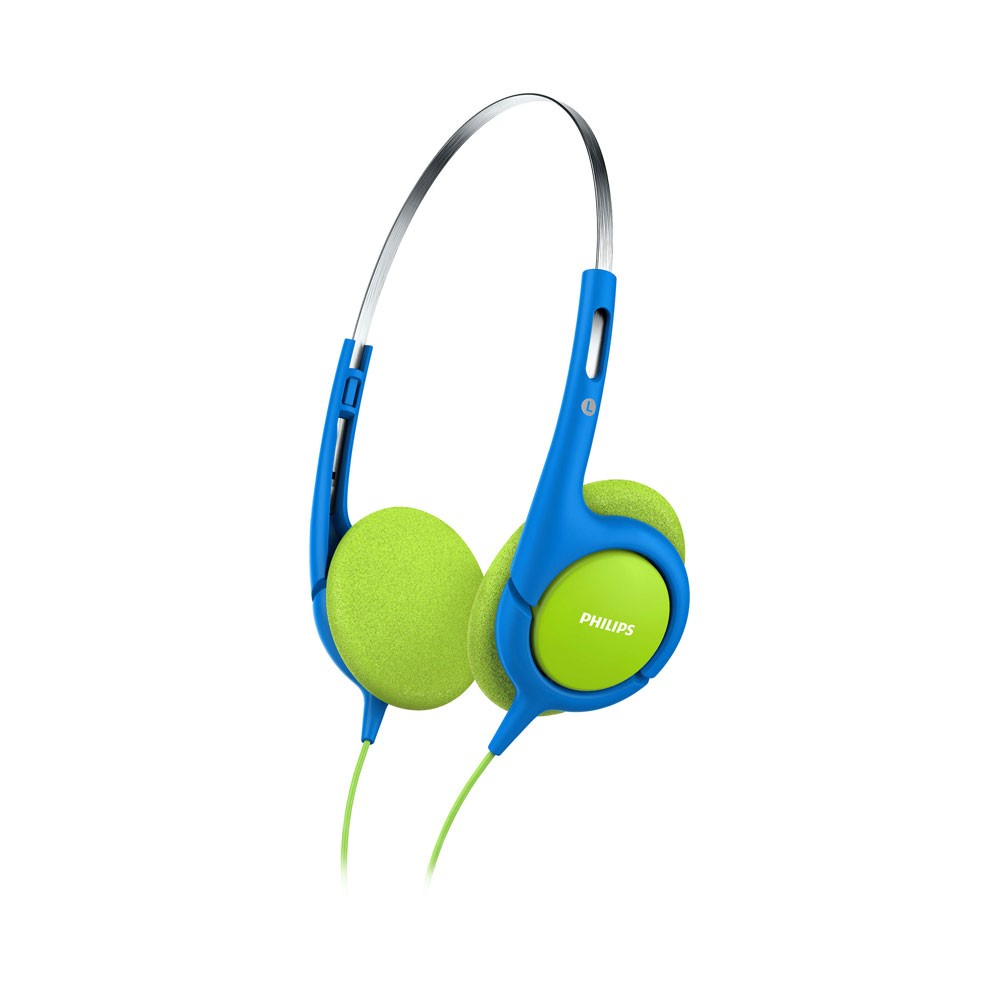
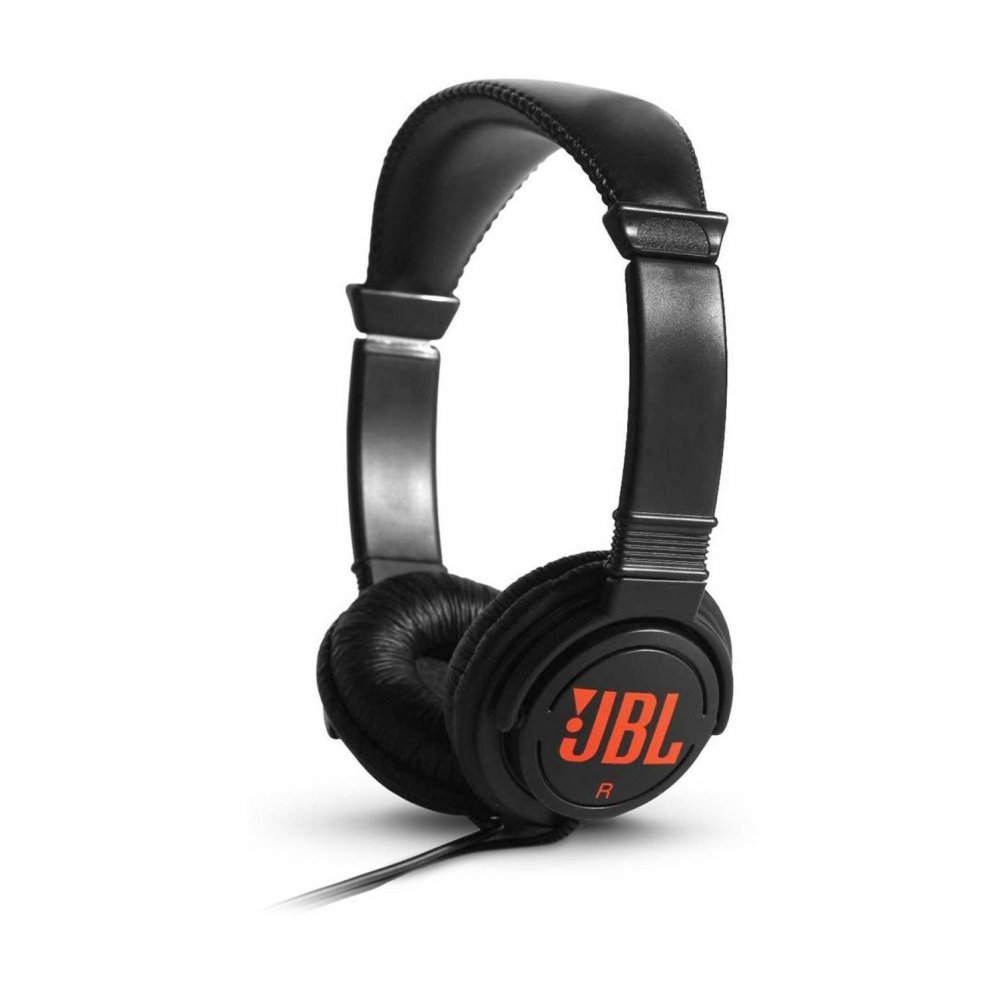
Philips SHK1030-00 vs JBL T250SI
Advertisement
| Specification | ||
|---|---|---|
| Price | Rs.700.00 |
Rs.739.00 |
| Brand | Philips |
JBL |
| Model No | SHK1030-00 |
T250SI |
| Wired / Wireless | Wired Headphone Specification |
Wired Headphone Specification |
| Headphone Type | On Ear |
On Ear |
| Magnet Type | Neodymium |
Dynamic |
| Driver Diameter | 32 mm |
40 mm |
| Impedance | 32 Ohms |
32 ohm |
| Sensitivity | 106 dB/mW |
94±5dB |
| Frequency Response | 10 Hz - 24000 Hz |
20 Hz - 20000 kHz |
| Maximum Power Input | 100 mW |
NA |
| Noise Cancelling | NA |
NA |
| Available Colors | Blue |
Black |
| Connector Plating | 3.5 mm Silver Plated Jack |
3.5 mm |
| Cable | 1.2 m |
Tangle-Free Fabric Cable |
| Weight | NA |
NA |
| Other Features | - Designed for kids - Ergonomic, adjustable headband grows with the child - 32mm Neodymium speaker drivers deliver pure balanced sound - Soft ear cushions provide a comfortable and secure fit - Ultra lightweight headband for superb comfort and fit - Maximum volume limited to 85dB for safe music enjoyment - Durable stainless steel headband built for playing hard |
High-power drivers. Self-adjusting earcups. Lightweight earcup construction. Give you a perfect fit easily, every time you listen. Create superior JBL sound, with bass you can feel. Allows a comfortable listening experience, even for long sessions. |
Advertisement
Compare Philips SHK1030-00 with:
Compare JBL T250SI with:
Top Differences
- Driver Size: 32 mm vs 40 mm
- Impedance: 32 Ohms Vs 32 ohm
Advertisement