 ALERT
ALERT
Philips SHE7005-00 vs JBL Tempo In-Ear J01U
Advertisement
| Specification | ||
|---|---|---|
| Price | Rs.900.00 |
Rs.899.00 |
| Brand | Philips |
JBL |
| Model No | SHE7005-00 |
Tempo In-Ear J01U |
| Wired / Wireless | Earphone Specification |
Earphone Specification |
| Headphone Type | In Ear Canal |
In Ear Canal |
| Magnet Type | Neodymium |
NA |
| Driver Diameter | 8.6 mm |
9 mm |
| Impedance | 16 Ohms |
16 ohms |
| Sensitivity | 107 dB/mW |
96 dB |
| Frequency Response | 9 Hz - 23000 Hz |
20 - 20,000 Hz |
| Maximum Power Input | 25 mW |
10 mW |
| Noise Cancelling | NA |
No |
| Available Colors | Black |
Blue |
| Connector Plating | 3.5 mm Chrome Plated Jack |
3.5 mm Gold Plated Plug |
| Cable | 1.2 m |
1.2 m |
| Weight | 18 g |
NA |
| Other Features | - Compact fit - Small efficient speakers reproduce precise sound with bass - Ultra-small for snug comfy in-ear fit - 3 interchangeable rubber ear caps for optimal fit in all ear - Anti-tangle slider - Perfect in-ear seal blocks out external noise - A 1.2m long cable that is ideal for outdoor use - Sensitive and sleek mic for picking up your voice clearly |
- Exceptional bass and smooth vocals - Latex-free silicone sleeves |
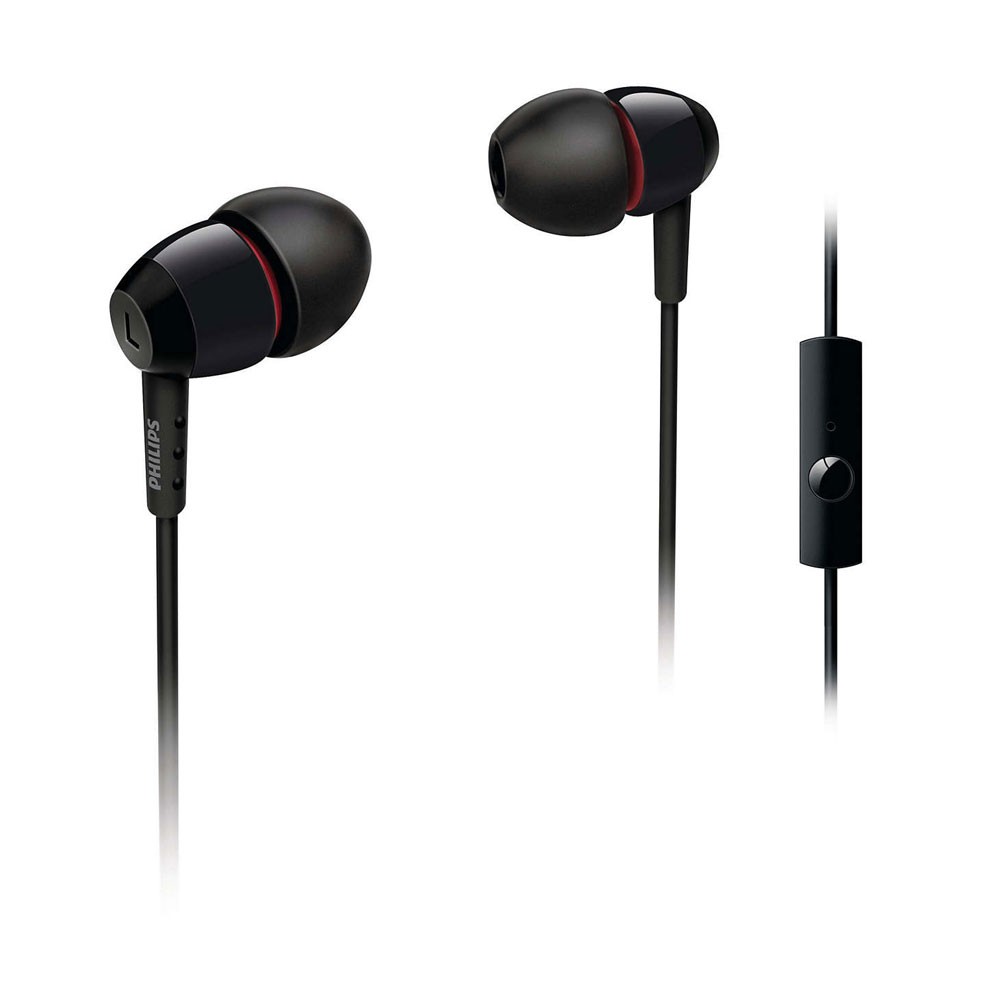
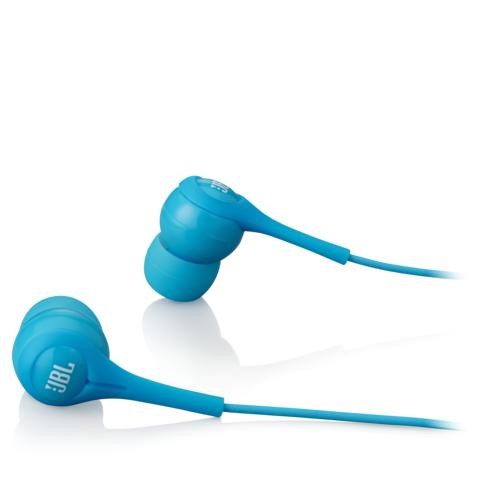
Advertisement
Compare Philips SHE7005-00 with:
Compare JBL Tempo In-Ear J01U with:
Top Differences
- Noise Cancelling: No vs NA
- Driver Size: 9 mm vs 8.6 mm
- Weight: NA vs 18 g
Advertisement