 ALERT
ALERT
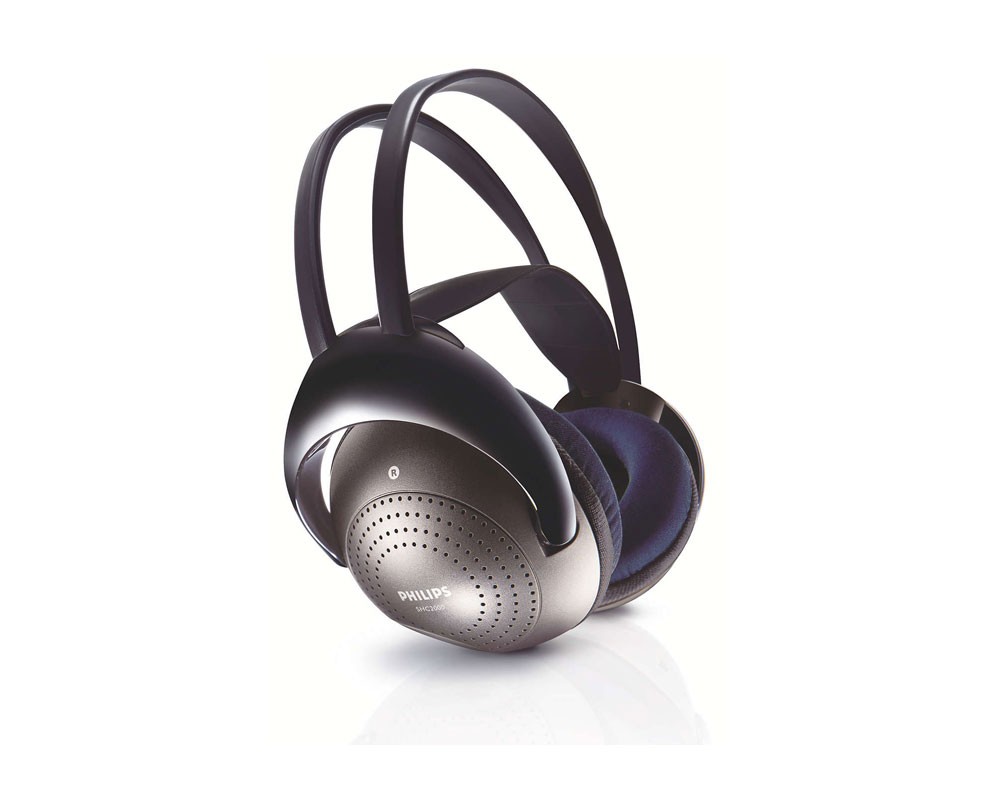
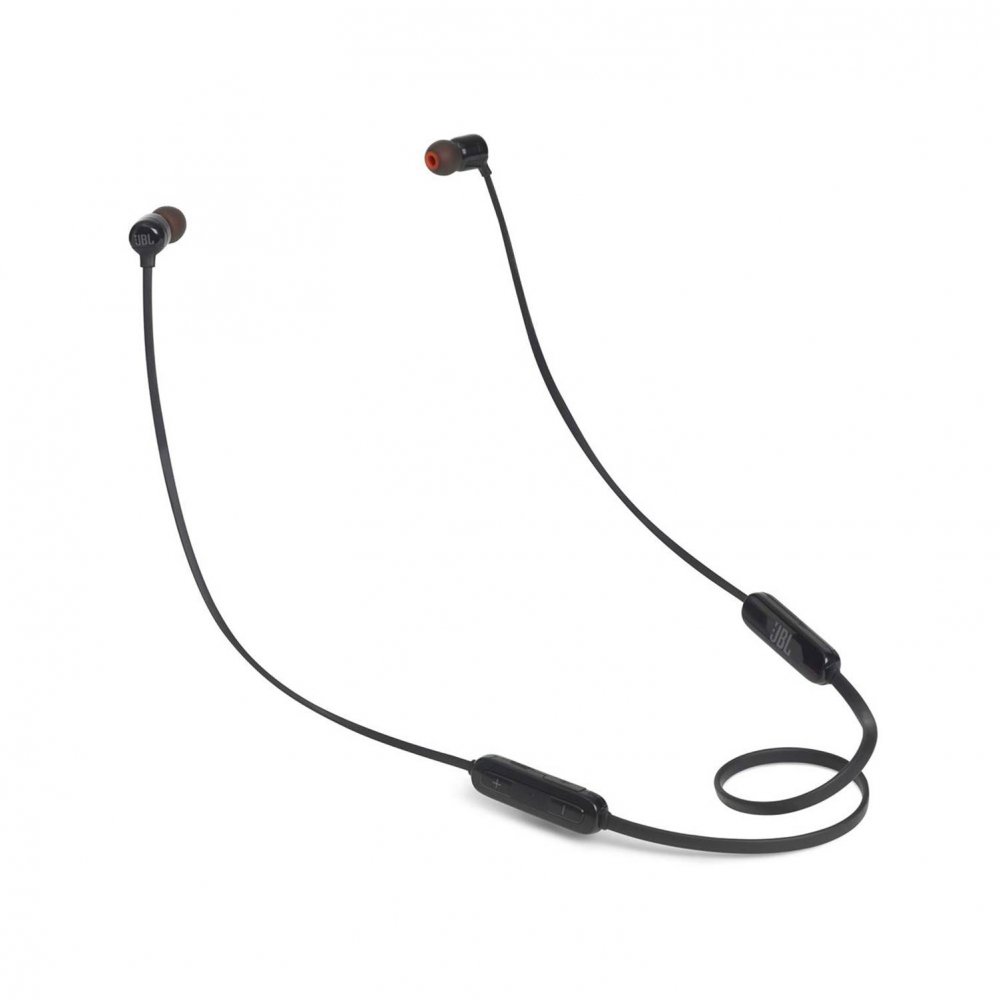
Philips SHC2000-10 vs JBL TUNE 110BT
Advertisement
| Specification | ||
|---|---|---|
| Price | Rs.2,050.00 |
Rs.1,999.00 |
| Brand | Philips |
JBL |
| Model No | SHC2000-10 |
TUNE 110BT |
| Wired / Wireless | Wireless Headphone Specification |
Wireless Headphone Specification |
| Headphone Type | On Ear |
In Ear |
| Magnet Type | Neodymium |
Dynamic |
| Driver Diameter | 32 mm |
8.6 mm |
| Impedance | 32 Ohms |
16 ohm |
| Sensitivity | 108 dB/mW |
96dB |
| Frequency Response | 18 Hz -20000 Hz |
20 Hz - 20000 kHz |
| Maximum Power Input | NA |
NA |
| Wireless / Bluetooth Details | ||
| Wireless Technology | Radio Frequency |
Bluetooth |
| Bluetooth Version | 4.0 |
|
| Compatible Profiles | All Bluetooth Devices |
|
| Supported Codecs | HFP, HSP, AVRCP, A2DP |
|
| Battery Type | AAA Rechargeable Batteries |
Polymer Li-ion Battery |
| Bluetooth Range | 10 Meters |
|
| Battery Life | 15 Hrs |
>6 Hours |
| Charging Time | NA |
<2 Hours |
| Noise Cancelling | NA |
NA |
| Available Colors | Brown |
Black, White, Blue, Grey, Pink |
| Connector Plating | 3.5 mm Gold Plated Jack |
No |
| Cable | NA |
ICON Charging Cable |
| Weight | NA |
16.2 gm |
| Other Features | - Wireless enjoyment with infrared transmission - Lightweight design improves comfort for prolonged use. - Self adjusting inner headband ensures a comfortable fit - High-frequency RF ensures clear and sharp reception - IR wireless transmission provides freedom of movement |
JBL Pure Bass Sound. Magnetic cable management. 3-Button Remote with Microphone. One year manufacturer’s warranty. A grab 'n' go solution that sounds great. 6 hours of playtime under optimum audio settings. Lightweight and Comfortable with 3 sizes of ear tips. |
Advertisement
Compare Philips SHC2000-10 with:
Compare JBL TUNE 110BT with:
Top Differences
- Battery Life: 15 Hrs vs >6 Hours
- Driver Size: 32 mm vs 8.6 mm
- Weight: NA vs 16.2 gm
- Impedance: 32 Ohms Vs 16 ohm
Advertisement