 ALERT
ALERT
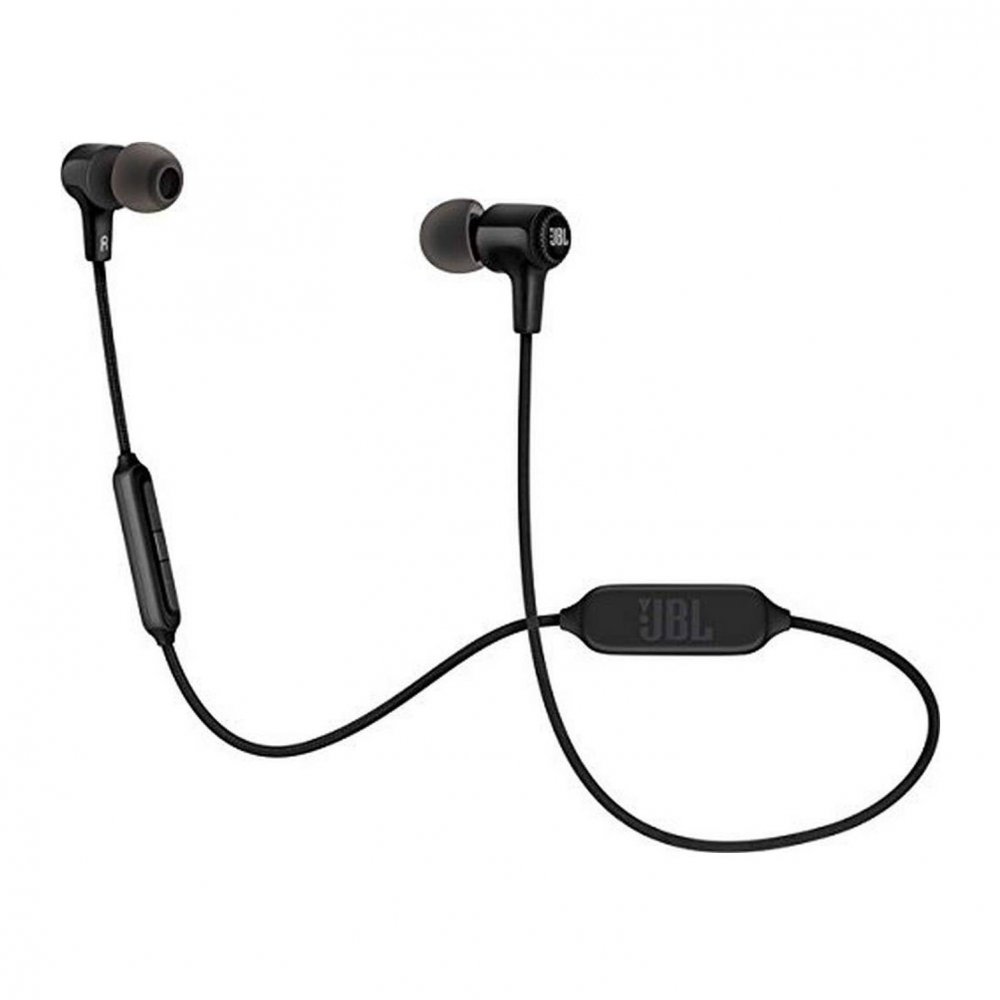
Philips SHB7000-00 vs JBL E25BT
Advertisement
| Specification | ||
|---|---|---|
| Price | Rs.2,750.00 |
Rs.2,799.00 |
| Brand | Philips |
JBL |
| Model No | SHB7000-00 |
E25BT |
| Wired / Wireless | Wireless Headphone Specification |
Wireless Headphone Specification |
| Headphone Type | Over Ear |
In Ear |
| Magnet Type | Neodymium |
Dynamic |
| Driver Diameter | 40 mm |
8 mm |
| Impedance | 32 Ohms |
16 ohm |
| Sensitivity | 103 dB/mW |
102dB |
| Frequency Response | 20 - 20,000Hz |
20 Hz - 20000 kHz |
| Maximum Power Input | 100 Mw |
NA |
| Wireless / Bluetooth Details | ||
| Wireless Technology | Bluetooth |
Bluetooth |
| Bluetooth Version | NA |
4.1 |
| Compatible Profiles | A2DP, AVRCP, HFP, HSP |
All Bluetooth Devices |
| Supported Codecs | NA |
HFP, HSP, A2DP, AVRCP |
| Battery Type | LI-Polymer |
Lithium-ion Polymer Battery |
| Bluetooth Range | 3.5 mm Line in |
10 Meters |
| Battery Life | Talktime : 9 Hrs |
8 Hours |
| Charging Time | 3 Hrs |
2 Hours |
| Noise Cancelling | NA |
NA |
| Available Colors | Black |
Black, White, Blue, Red |
| Connector Plating | 3.5 mm Gold Plated Plug |
No |
| Cable | 1.2 m |
Charging Cable |
| Weight | Approx 227 g |
16.5 gm |
| Other Features | Headphone Convenience - Volume control : Yes - Call Management : Answer/End Call, Reject Call, Last number redial, Microphone mute, Call on Hold, Switch between call and music - soft & Comfortable over-ear cushions, |
Siri / Google Now. Signature JBL Sound in a compact, stylish design. Enjoy up to 8 hours of uninterrupted wireless audio. Three-button universal remote with microphone. Go the distance with awesome sound, wirelessly. Tuned for enhanced low-frequency performance. You can also seamlessly switch from music on your portable device to a call from your phone, so that you never miss a call. |

Advertisement
Compare Philips SHB7000-00 with:
Compare JBL E25BT with:
Top Differences
- Battery Life: Talktime : 9 Hrs, Standby Time : 200 Hrs, Music Time : 9 Hrs vs 8 Hours
- Driver Size: 40 mm vs 8 mm
- Bluetooth: NA vs 4.1
- Weight: Approx 227 g vs 16.5 gm
- Impedance: 32 Ohms Vs 16 ohm
Advertisement