 ALERT
ALERT
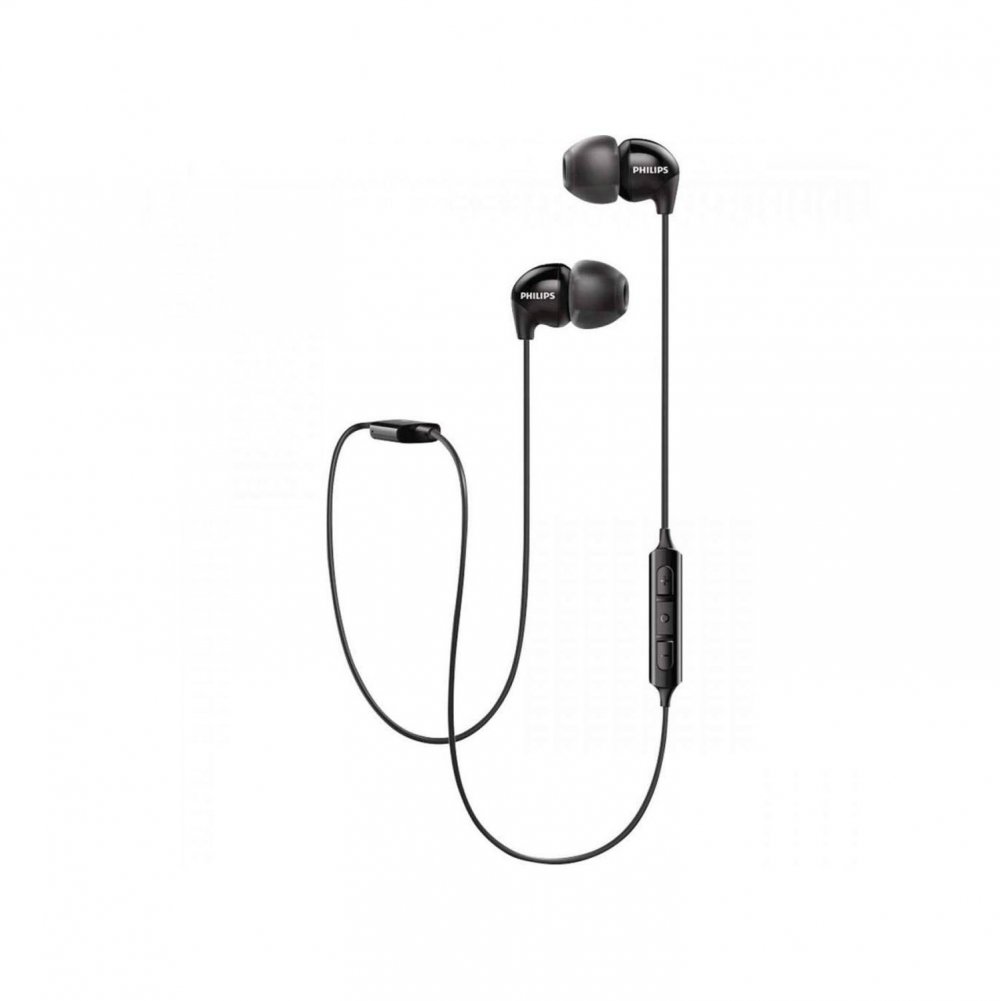
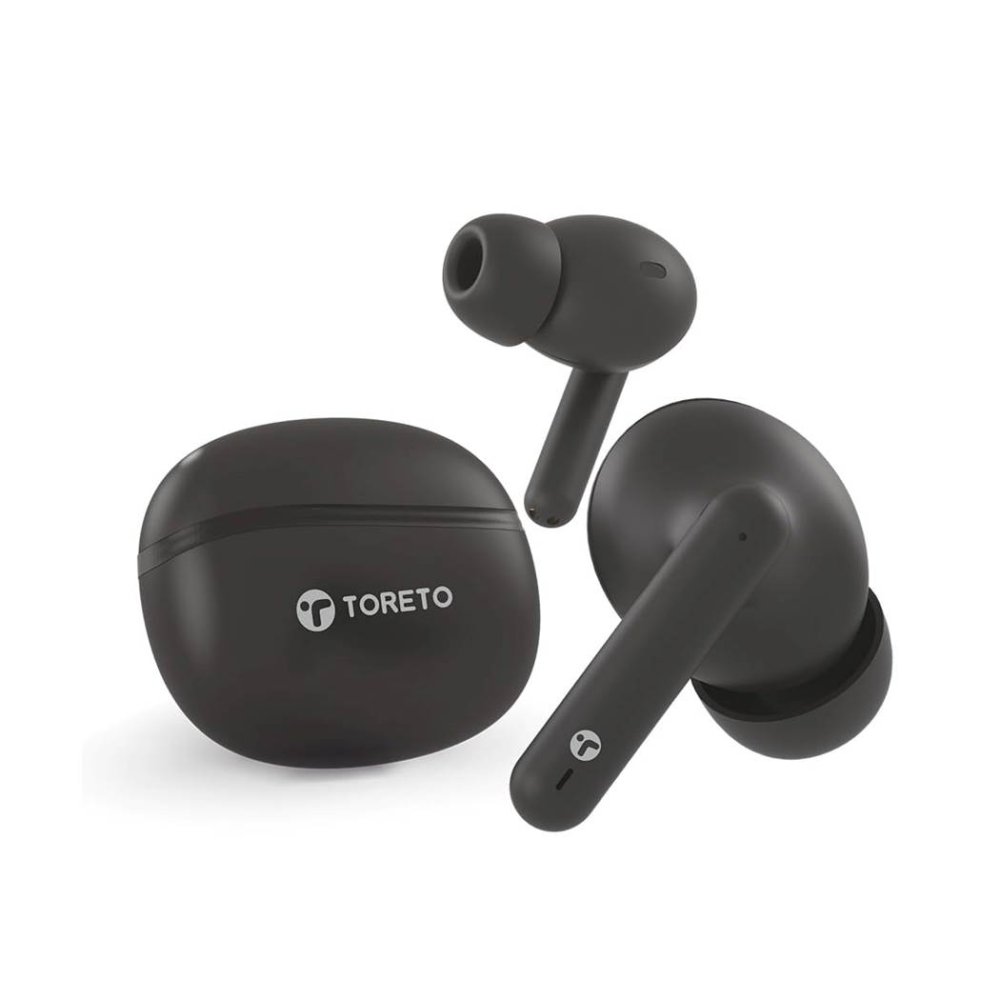
Philips SHB3595BK/10 vs Toreto Air Sync
Advertisement
| Specification | ||
|---|---|---|
| Price | Rs.2,999.00 |
Rs.2,999.00 |
| Brand | Philips |
Toreto |
| Model No | SHB3595BK/10 |
Air Sync |
| Wired / Wireless | Wireless Headphone Specification |
Wireless Headphone Specification |
| Headphone Type | In Ear Canal |
In Ear |
| Magnet Type | Neodymium |
Dynamic |
| Driver Diameter | 8.6 mm |
10 mm |
| Impedance | 16 ohm |
80 Ohms |
| Sensitivity | 95 dB |
42+/-3db |
| Frequency Response | 20 Hz - 20000 kHz |
20 Hz - 20KHz |
| Maximum Power Input | 5 V |
DC 5 V |
| Wireless / Bluetooth Details | ||
| Wireless Technology | Bluetooth |
Bluetooth |
| Bluetooth Version | 4.1 + |
5.3 |
| Compatible Profiles | All Bluetooth Devices |
All Bluetooth Devices |
| Supported Codecs | A2DP, AVRCP, HSP, HFP |
AAC, SBC |
| Battery Type | Lithium Polymer Batteries |
Lithium-Ion Batteries |
| Bluetooth Range | 10 Meters |
10 Meters |
| Battery Life | 6 Hours |
30 Hours |
| Charging Time | 2 Hours |
4E+1 Hours |
| Noise Cancelling | NA |
Active Noise Cancelling |
| Available Colors | Black |
Black, White, Pink |
| Connector Plating | NA |
NA |
| Cable | USB Charging Cable |
USB Type-C Charging Cable |
| Weight | 1.71 gm |
44 GM |
| Other Features | Hands-free calling. Lightweight Neckband Design. Oval sound tube inserts seals out ambient noise. Wireless control and enjoyment of music and calls. Ergonomic oval sound tube for a truly comfortable fit. Quickly connect wirelessly for music and phone calls on-the-go via Bluetooth. Enjoy up to 6 hours of playtime with built-in battery, rechargeable with the included USB cable. |
Up To 1-Year Warranty. Bluetooth v5.3 ensures stable and efficient connectivity with devices. 10 mm drivers deliver rich, powerful sound with deep bass and clear highs. Low Latency Mode minimizes audio delay, ideal for gaming and video streaming. IPX5 rating ensures sweat and rain resistance, perfect for workouts and outdoor use. Rapid Charge feature provides hours of playback with just a few minutes of charging. Up to 40 hours of playtime with the charging case providing multiple additional charges. Quad Mic ENC (Environmental Noise Cancellation) for clear calls even in noisy environments. Smart Touch Controls allow easy management of music, calls, and voice assistant functionalities. |
Advertisement
Compare Philips SHB3595BK/10 with:
Compare Toreto Air Sync with:
Top Differences
- Battery Life: 6 Hours vs 30 Hours
- Noise Cancelling: NA vs Active Noise Cancelling
- Driver Size: 8.6 mm vs 10 mm
- Bluetooth: 4.1 + vs 5.3
- Weight: 1.71 gm vs 44 GM
Advertisement