 ALERT
ALERT
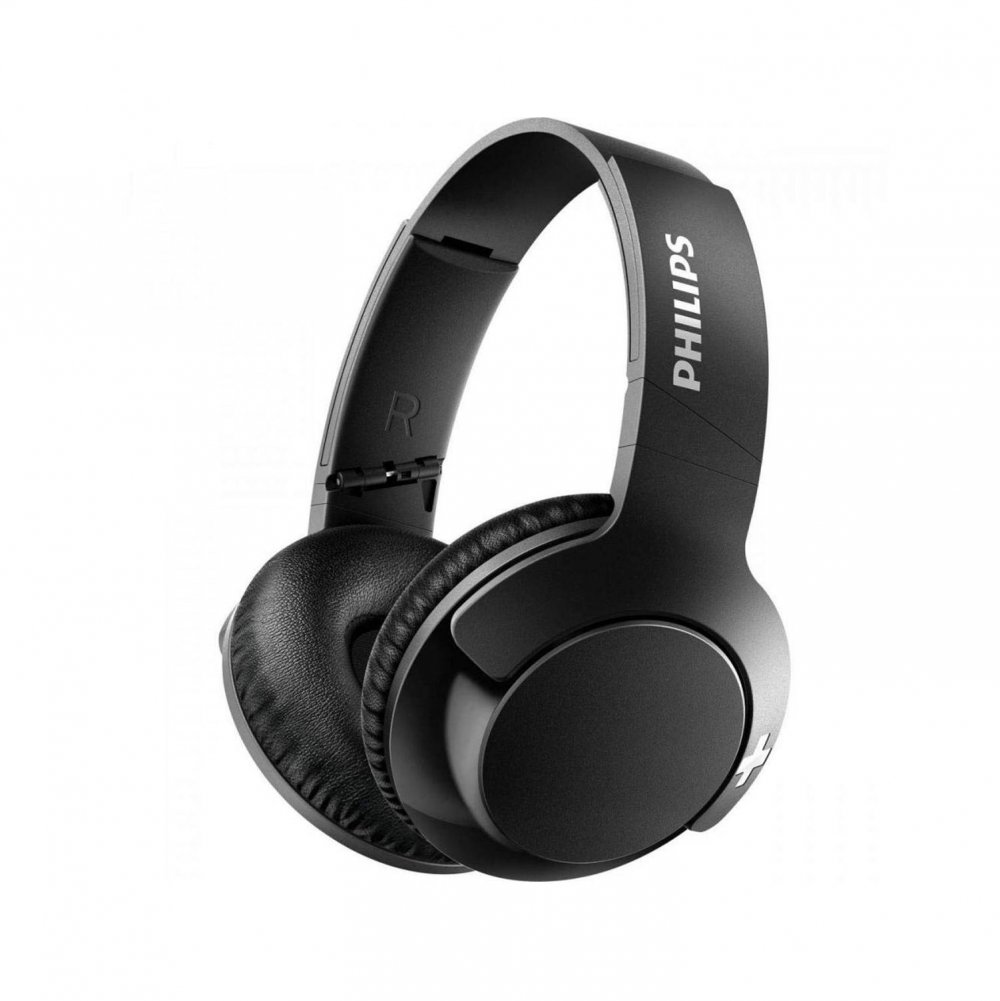
Philips SHB3175BK/00 vs Sennheiser HD 219
Advertisement
| Specification | ||
|---|---|---|
| Price | Rs.2,899.00 |
Rs.2,900.00 |
| Brand | Philips |
Sennheiser |
| Model No | SHB3175BK/00 |
HD 219 |
| Wired / Wireless | Wired Headphone Specification |
Wired Headphone Specification |
| Headphone Type | Over Ear |
On Ear |
| Magnet Type | Neodymium |
Neodymium |
| Driver Diameter | 40 mm |
NA |
| Impedance | 32 ohm |
16 Ohms |
| Sensitivity | 104 dB |
108 dB/mW |
| Frequency Response | 8 Hz - 21500 kHz |
19 Hz-21,000 Hz |
| Maximum Power Input | 40 mW |
NA |
| Noise Cancelling | Passive |
NA |
| Available Colors | Black |
Black |
| Connector Plating | 3.5 mm Audio Jack |
3.5 mm Gold Plated Jack |
| Cable | USB Charging Cable |
1.4 mm |
| Weight | 191 gm |
91.7 g |
| Other Features | USB charging cable 32 mm speaker drivers. Big, bold bass you can feel. Bluetooth wireless technology. Convenient hands-free calling. Flat folding design for easy portability. Soft ear cushions for long-wearing comfort. Great sound isolation for better listing experience. Rechargeable battery offers up to 12 hours of playtime. Adjustable earshells and headband for optimal comfort. Control calls, music and volume with ear-shell switches. |
- Powerful neodymium magnets for stereo sound with powerful bass - Closed on-ear headphone design blocks outside noise - Optimised for portable audio including MP3, CD players, iPad, iPod and iPhone (iPad, iPhone and iPod are trademarks of Apple Inc., registered in the U.S. and other countries.) - 2-year warranty |
Advertisement
Compare Philips SHB3175BK/00 with:
Compare Sennheiser HD 219 with:
Top Differences
- Noise Cancelling: NA vs Passive
- Driver Size: NA vs 40 mm
- Weight: 91.7 g vs 191 gm
- Impedance: 16 Ohms Vs 32 ohm
Advertisement