 ALERT
ALERT
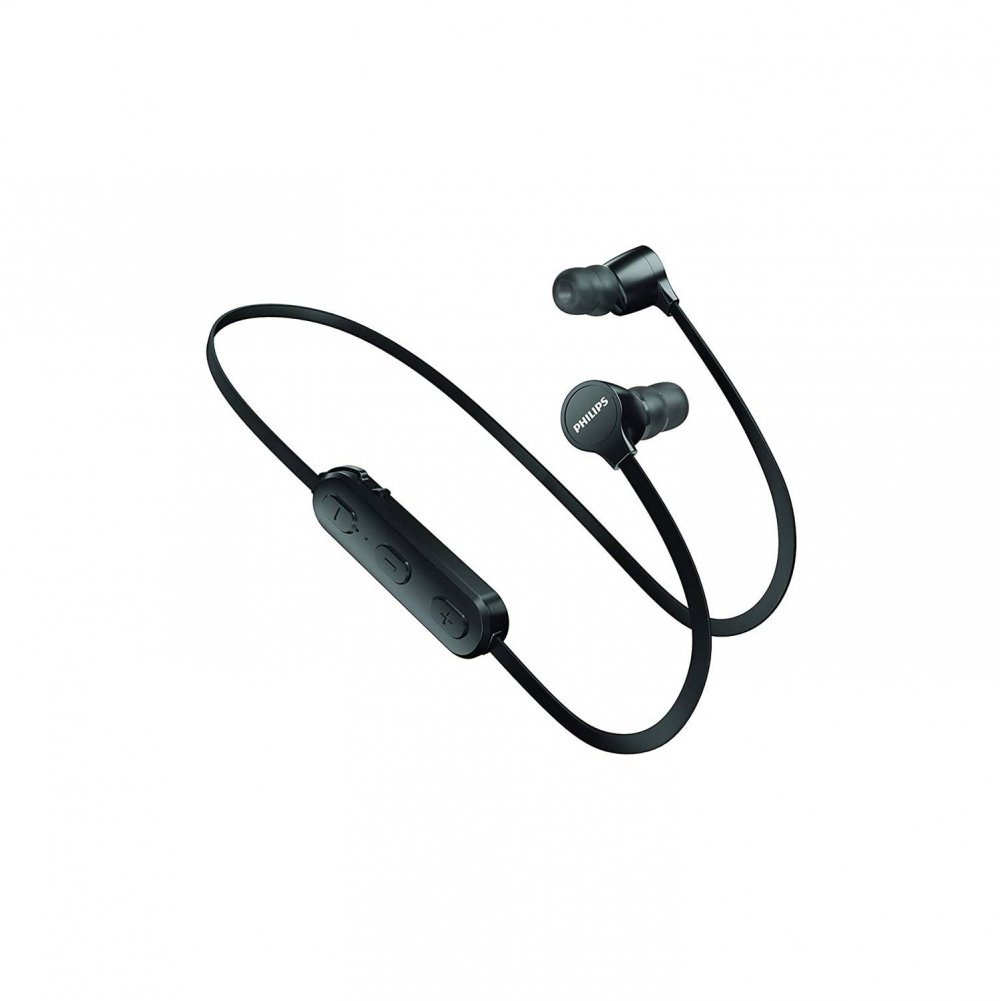
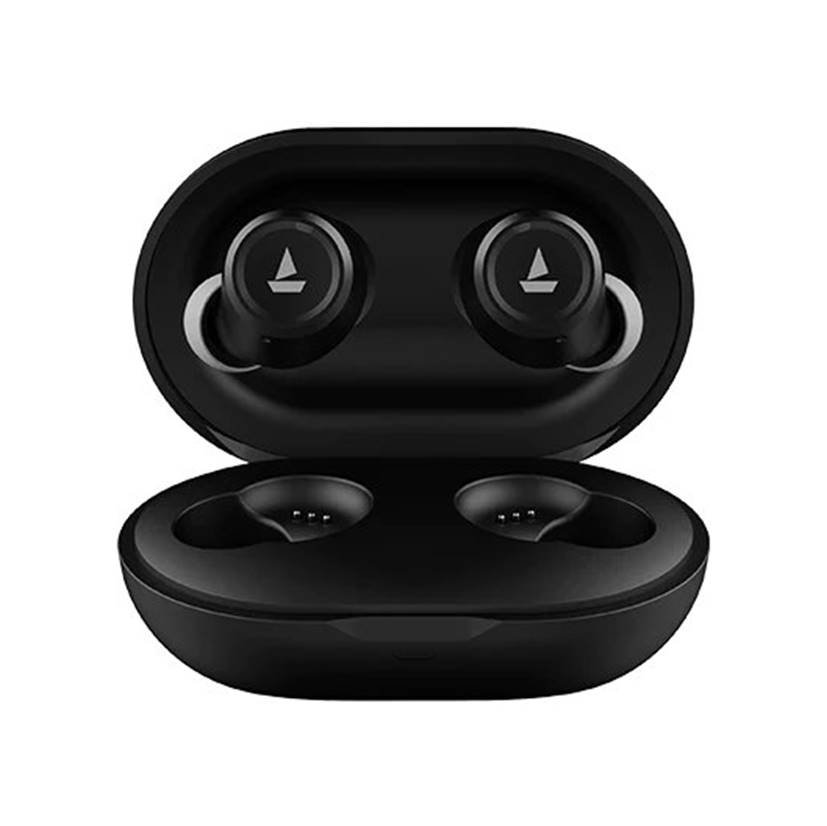
Philips SHB1805BK/10 vs boAt Airdopes 391
Advertisement
| Specification | ||
|---|---|---|
| Price | Rs.2,499.00 |
Rs.2,499.00 |
| Brand | Philips |
boAt |
| Model No | SHB1805BK/10 |
Airdopes 391 |
| Wired / Wireless | Wireless Headphone Specification |
Wireless Headphone Specification |
| Headphone Type | In Ear Canal |
In Ear |
| Magnet Type | Neodymium |
Dynamic |
| Driver Diameter | 10 mm |
6 mm |
| Impedance | 16 ohm |
NA |
| Sensitivity | 95 dB |
NA |
| Frequency Response | 20 Hz - 20000 kHz |
20 Hz - 20000 Hz |
| Maximum Power Input | 50 mW |
5 V 2A |
| Wireless / Bluetooth Details | ||
| Wireless Technology | Bluetooth |
Bluetooth |
| Bluetooth Version | 4.0 |
5.0 |
| Compatible Profiles | All Bluetooth Devices |
All Bluetooth Devices |
| Supported Codecs | A2DP, AVRCP, HSP, HFP |
AAC, SBC, aptX |
| Battery Type | Lithium Polymer Batteries |
Lithium-Ion Batteries |
| Bluetooth Range | 10 Meters |
10 Meters |
| Battery Life | 4 Hours |
4.5 / 18 Hours |
| Charging Time | 1 Hours |
About 40 M |
| Noise Cancelling | NA |
CVC |
| Available Colors | Black, White |
Black, Blue, Grey |
| Connector Plating | NA |
NA |
| Cable | USB Charging Cable |
USB Type C Charging Cable |
| Weight | 13 gm |
47.9 Gm |
| Other Features | Wireless freedom, powerful sound. Tuned to re-produce powerful sound. Built-in microphone with volume control. Dynamic 10 mm drivers deliver deep bass. Tangle proof cable for durability and easy storage. Hassle-free magnetic ear-tips allow freedom to carry. Designed ergonomically for a comfortable & secure fit. Extended soft rubber ear caps to channel bass to ear canal. Freedom to switch between music & calls with a single button. |
1 Year warranty. With its IWP technology you can connect the buds to your device the moment you open the lid. Airdopes 391 is IPX4 rated offering protection against sweat and splash which makes it perfect for outdoor and daily workouts. Don’t stress over charging time as Airopes 391 offers a playtime of 1.5 hours after charging them for only 5 mins courtesy of its fast charge. Leave all charging worries at bay as the Airdopes 391 delivers a playback of upto 4.5 hours per charge and an additional 18 hours with the case. Airdopes 391 is equipped with Qualcomm cVc Call Noise Isolation which delivers the most optimum voice quality so that you can be heard clearly on calls. Airdopes 391 comes with Qualcomm aptX which reduces latency to keep the audio and video in sync to ensure that you have an immersive listening experience. |
Advertisement
Compare Philips SHB1805BK/10 with:
Compare boAt Airdopes 391 with:
Top Differences
- Noise Cancelling: NA vs CVC
- Driver Size: 10 mm vs 6 mm
- Bluetooth: 4.0 vs 5.0
- Weight: 13 gm vs 47.9 Gm
- Impedance: 16 ohm Vs NA
Advertisement