 ALERT
ALERT
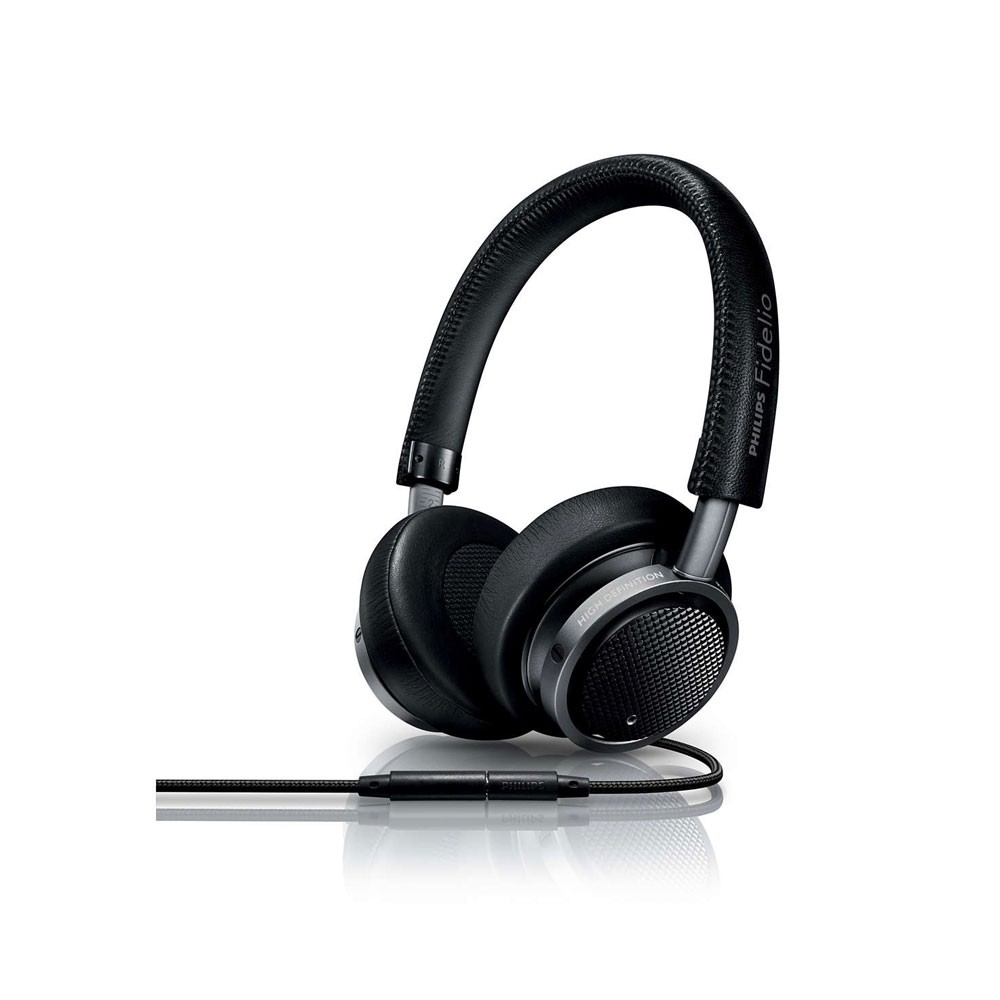
Philips M1MKIIBK-00 vs Philips TAKH101PK/00
Advertisement
| Specification | ||
|---|---|---|
| Price | Rs.9,200.00 |
Rs.8,999.00 |
| Brand | Philips |
Philips |
| Model No | M1MKIIBK-00 |
TAKH101PK/00 |
| Wired / Wireless | Wired Headphone Specification |
Wired Headphone Specification |
| Headphone Type | On Ear |
On Ear |
| Magnet Type | Neodymium |
Neodymium |
| Driver Diameter | 40 mm |
32 mm |
| Impedance | 16 Ohms |
32 ohm |
| Sensitivity | 107 dB/mW |
95dB |
| Frequency Response | 6 Hz - 40000 Hz |
20 Hz - 20000 kHz |
| Maximum Power Input | 150 mW |
10 mW |
| Noise Cancelling | NA |
Passive |
| Available Colors | Black |
Pink |
| Connector Plating | 3.5 mm Gold Plated Jack |
3.5 mm stereo Gold-Plated Jack |
| Cable | 1.2 |
Tangle Resistant Cable |
| Weight | 386 g |
111 gm |
| Other Features | - High fidelity sound & meticulously crafted - Optimized 40mm neodymium drivers for pure authentic sound - Deluxe memory foam cushions for an ergonomic fit - Faux suede pouch offers stylish headphone protection - Aluminum and stitched fine leather for premium look and feel - Double-layered earshells engineered for sound precision |
Volume limited to 95 dB. Light, cushioned headband. 32 mm acoustic drivers. Clear sound. Compact-folding design. Easy storage. A 1.2 m long cable that is ideal for outdoor use. Simple in-line remote. Easily control music and calls. Light, comfortable ear-cup cushions. Perfect for young ears. |

Advertisement
Compare Philips M1MKIIBK-00 with:
Compare Philips TAKH101PK/00 with:
Top Differences
- Noise Cancelling: NA vs Passive
- Driver Size: 40 mm vs 32 mm
- Weight: 386 g vs 111 gm
- Impedance: 16 Ohms Vs 32 ohm
Advertisement