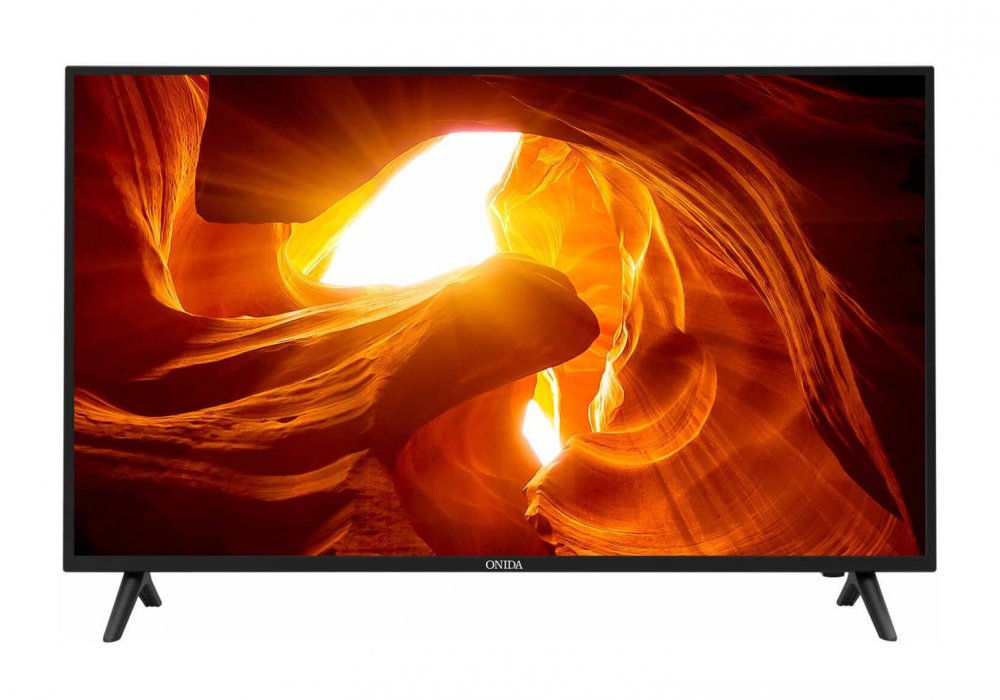
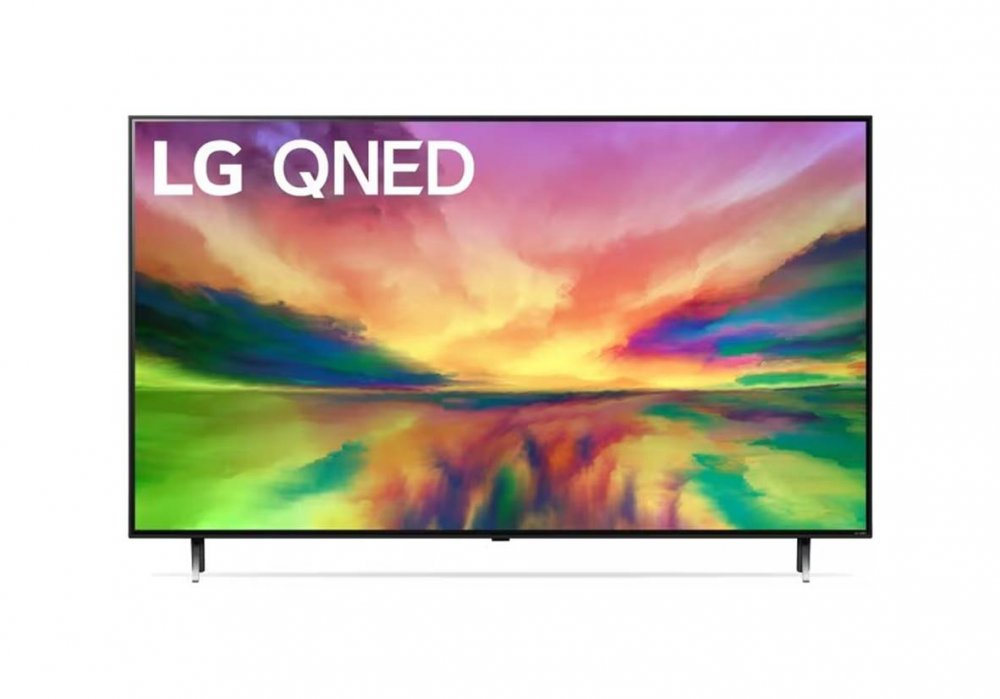
| Model No |
50UIL |
50QNED80URA |
| TV Type |
Smart TV |
Smart TV |
| Screen Size |
50 Inch (126 cm) |
50 Inch (126 cm) |
| Resolution |
4K 3840 x 2160 |
4K 3840 x 2160 |
| Aspect Ratio |
16:9 |
16:9 |
| Motion Rate |
60 Hz |
120 Hz |
| Viewing Angle |
89° (Right/Left), 89° (Up/Down) |
178°/178° |
| USB |
| USB Version |
: 2.0 |
| Supported Audio Formats |
: MP3, AAC, WMA |
| Supported Video Formats |
: AVI, MKV, WMV, MP4, M4V, FLV, 3GPP, VRO, VOB |
| Supported Picture Formats |
: JPG, JPEG |
|
| USB Version |
: 2.0 |
| Supported Audio Formats |
: AC4, AC3, EAC3, HE-AAC, AAC, MP2, MP3, PCM, WMA, apt-X |
| Supported Video Formats |
: MKV, DivX, MP4, AVI, ASF, MOV, FLV |
| Supported Picture Formats |
: JPEG, JPS, MPO |
|
| Video |
| Backlight |
: LED |
| Brightness |
: 240 Nits ( Typical ) |
| Contrast Ratio |
: 5000:01 |
| Colors |
: 1.07 B Colours |
| 3D Comb Filter |
: Yes |
| Panel Type |
: ADS LED Panel |
| Picture Modes |
: Standard, Movie, User, Dynamic |
| Analog TV Reception |
: PAL / SECAM / AUTO / NTSC/ BG / I / DK |
|
| BackLight |
: 4K UHD QLED MiniLED |
| HDR10 |
: Yes |
| HLG |
: Yes |
| Intense Color (Wide Color Gamut) |
: Yes |
| Display Type |
: 4K QNED |
| Motion |
: Motion Pro |
| AI Picture |
: AI Picture Pro |
| Picture Processor |
: α7 AI Processor Gen6 |
| Upscaling |
: AI Super Upscaling 4K |
|
| Audio |
| Audio Output ( RMS ) |
: 10 W + 10 W |
| Number of Speakers |
: 2 |
| Woofer-Audio-Output |
: Yes |
| Bass / Treble Equalizer Balance |
: Yes |
| Surround Sound |
: Yes |
| Other Audio Features |
: Auto Volume Leveller ( RF Only ) |
| Sound Mode |
: Standard / Music / Movie / Sport / User |
|
| Audio Output ( RMS ) |
: 20 W |
| DTS Decoder |
: Yes |
| WiSA Ready |
: Yes |
| LG Sound Sync |
: Yes |
| TV Sound Mode Share |
: Yes |
| Bluetooth Surround Ready |
: Yes |
| Speaker Direction |
: Down Firing |
| Speaker System |
: 2.0 Channel |
| AI Sound Pro / AI Sound |
: AI Sound Pro ( Virtual 5.1.2 Up-Mix ) |
| Audio Codec |
: AAC, AC3 ( Dolby Digital ), AC4, apt-X ( Refer To Manual ), EAC3, HE-AAC, MP2, MP3, PCM, WMA |
|
| Connectivity Options |
| HDMI |
: 3 |
| USB |
: 2 |
| VGA |
: Yes |
| Component |
: Yes |
| PC- Audio |
: Yes |
| RF Input |
: Yes |
| Ethernet ( RJ45 ) |
: Yes |
| Wi-Fi |
: 2.4G |
| Built In Wi-Fi |
: Yes |
| AV Input |
: 1 Yes |
| AV Output |
: 1 Yes |
| Other Internet Features |
: Google Play |
|
| HDMI |
: 4ea ( Supports 4K 120Hz, eARC, VRR, ALLM, QMS As Specified in HDMI 2.1 ( 2 Port )) |
| USB ( 2.0 ) |
: 2ea |
| Ethernet / LAN |
: 1ea |
| RF Connection Input ( Antenna / Cable ) |
: 1ea |
| IP Control |
: Yes |
| Bluetooth® 5.0 |
: Yes |
| HDMI-CEC ( Simplink ) |
: Yes |
| Smart Phone Connectivity |
: Yes |
| RS-232C Input ( Mini Jack ) |
: Yes |
| HDMI Audio Return Channel |
: eARC ( HDMI 3 ) |
| TV Tuner |
: ATSC, Clear QAM |
| Wi-Fi® Standard |
: Wi-Fi Certified ( Wi-Fi 5 ) |
|
| Smart TV Features |
| Operating System |
: Android 7 |
| CPU |
: CA55 Quad Core |
| RAM |
: 1 GB |
| ROM |
: 8 GB |
| Supported App - Netflix |
: Yes |
| Supported App - Youtube |
: Yes |
| Operating System Present |
: Yes |
| Screen Mirroring |
: Yes |
| Pre Installed Browser |
: Yes |
| App Store Type |
: Google |
| Supported Mobile Operating System |
: Android |
| Content Providers |
: Browser, Dropbox, Mcast ( Miracast ), Media Player, Onida Aircon, Play Store, Skype, You Tube |
|
| Operating System |
: webOS 23 |
| Sports Alert |
: Yes |
| LG Channels |
: Yes |
| LG ThinQ® AI |
: Yes |
| Home Dashboard |
: Yes |
| Full Web Browser |
: Yes |
| Who. Where. What? |
: Yes |
| Amazon Alexa Compatible |
: Yes |
| Google Home Compatible |
: Yes |
| Intelligent Voice Recognition |
: Yes |
| LG Content Store ( App Store ) |
: Yes |
| Magic Remote Control Built-In |
: Yes |
| Apple |
: Apple Airplay 2, Apple Homekit |
| Content Partners |
: Apple TV, Disney+, HBO Max, Hulu, iHeartRadio, Netflix, Paramount+, Peacock, Prime Video, Spotify, Youtube TV |
|
| Other Features |
| Sleep Timer |
: Yes |
| RF Capable |
: Yes |
| Other Convenience Features |
: Yes |
| Colour Temperature |
: Nature / Warm / User / Cool |
|
| HGiG |
: Yes |
| FreeSync™ |
: Yes |
| Game Optimizer |
: Yes |
| Variable Refresh Rate ( VRR ) |
: Yes |
| Auto Low Latency Mode ( ALLM ) |
: Yes |
| Limited Warranty |
: 1 Year Parts & Labor |
| Cloud Gaming |
: Nvidia GeForce Now, Utomik |
|
| General Details |
| Power Requirements |
: AC 100 - 240 V, 50/60 Hz |
| Power Consumption |
: 120 W |
| Power Consumption Standby |
: 0.5 W |
| Product Weight |
: 9.5 Kg |
| GROSS WEIGHT |
: 12.5 Kg |
|
| Power Supply |
: AC 120V, 50/60Hz |
| Power Consumption |
: 68 W |
| Annual Power Consumption |
: 127 KWh/y |
| Power Consumption Standby |
: Under 0.5 W |
| TV Weight Without Stand |
: 12.88 Kg |
| TV Weight With Stand |
: 13.29 Kg |
| Packaging Weight |
: 16.69 Kg |
| VESA Mounting |
: 200 mm X 200 mm |
|
| Supplied Accessories |
| Remote Control |
: Yes |
| Batteries |
: Yes |
| User Manual |
: Yes |
| Warranty Card |
: Yes |
| Table Top Stand |
: Yes |
| Wall Mount |
: Yes |
|
| Remote Control |
: Yes |
| Batteries |
: Yes |
| E-Manual |
: Yes |
| Wall Mount |
: Yes |
| Power Cable |
: Yes |
| Quick Start Guide |
: Yes |
|
 ALERT
ALERT