Best For
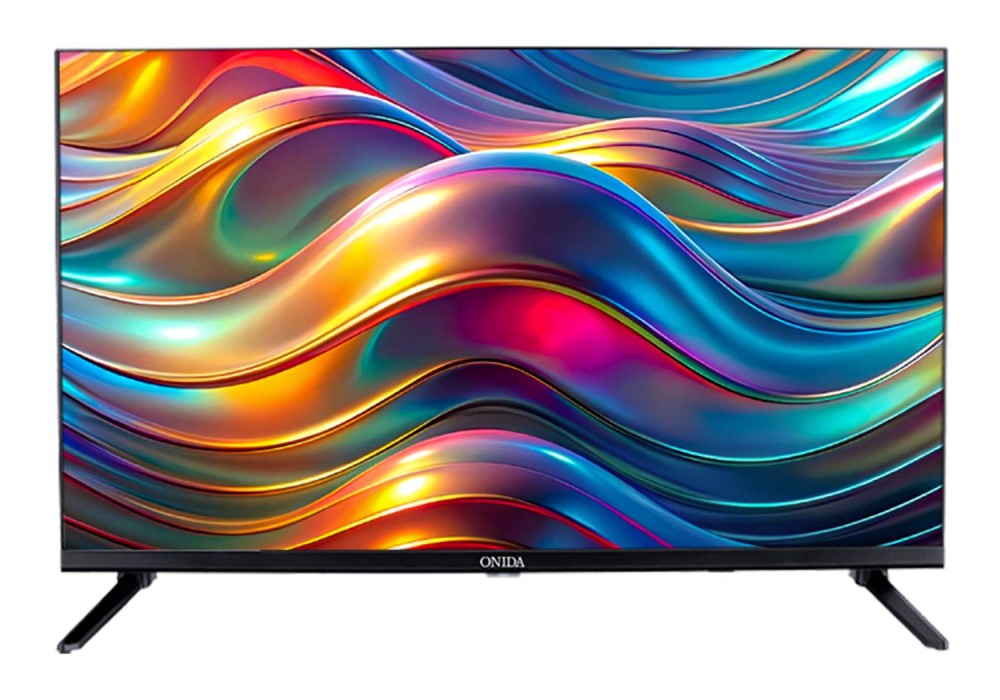
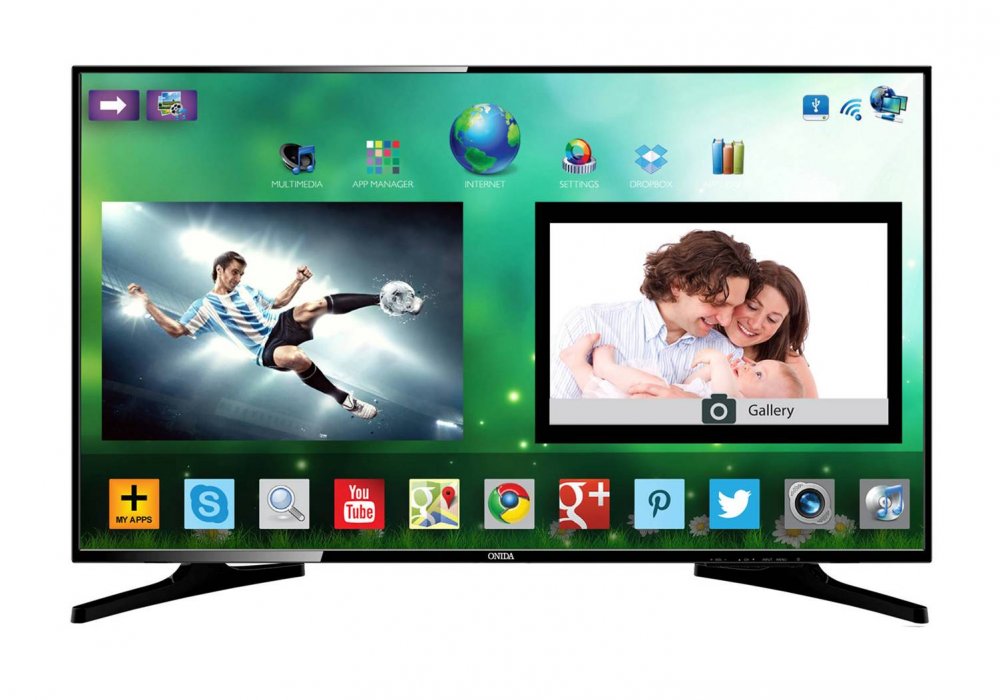
The Onida 32HIB and Onida 32HGI-R are both 32-inch HD Ready smart TVs designed for everyday entertainment, but they target different buyers. The 32HIB offers a basic Android TV experience with a QWERTY remote, making it suitable for light streaming and web browsing. The newer 32HGI-R, however, brings Google TV, HDR10 support, Dolby Audio, Bluetooth 5.0, Game Mode, and a faster smart TV platform. If you're choosing between the two, the decision largely comes down to whether you want a budget-friendly older model or a more modern smart TV with better picture, audio, and gaming features.
Verdict
The Onida 32HGI-R is the better overall choice for most users thanks to its Google TV interface, HDR10 support, Dolby Audio, Bluetooth connectivity, improved processor, and gaming features like ALLM. It also consumes less power while offering a smoother smart TV experience. The Onida 32HIB remains a reasonable option if you specifically prefer its QWERTY remote or find it at a significantly lower price, but it feels dated compared to the newer model.
 ALERT
ALERT