 ALERT
ALERT
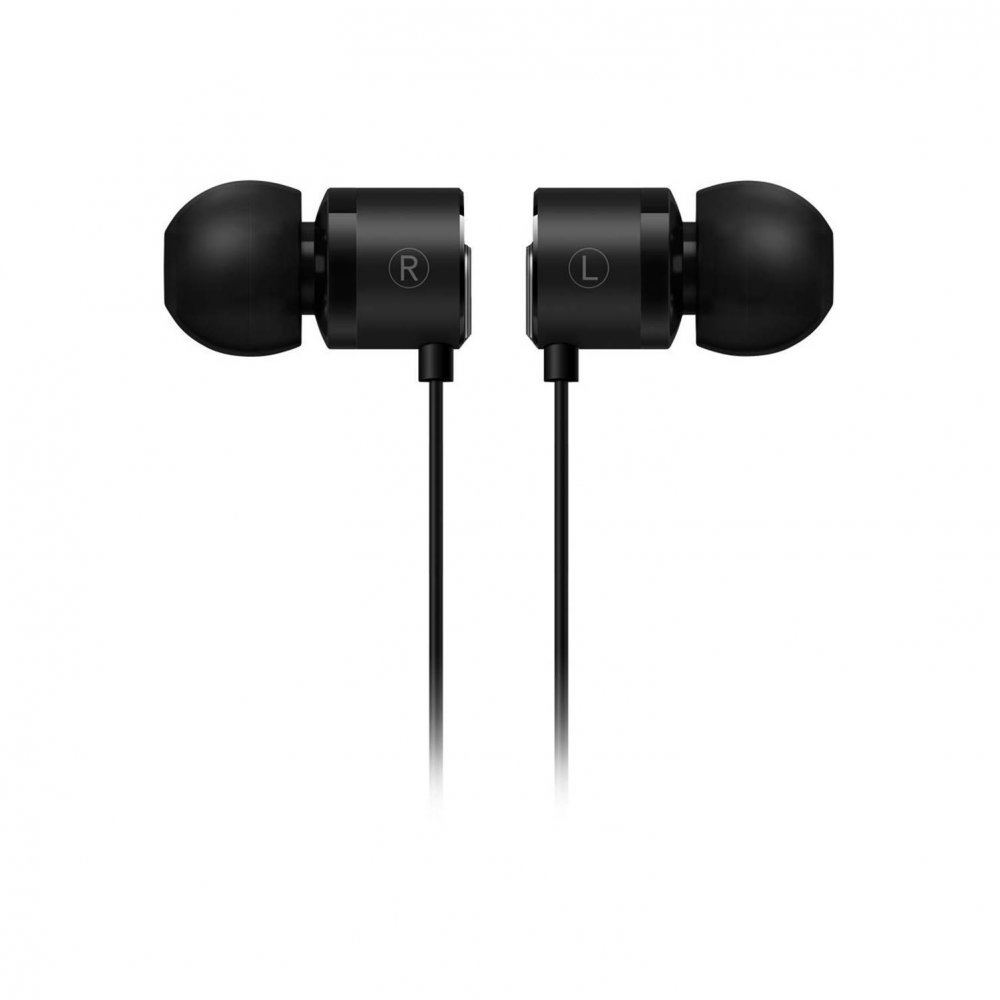
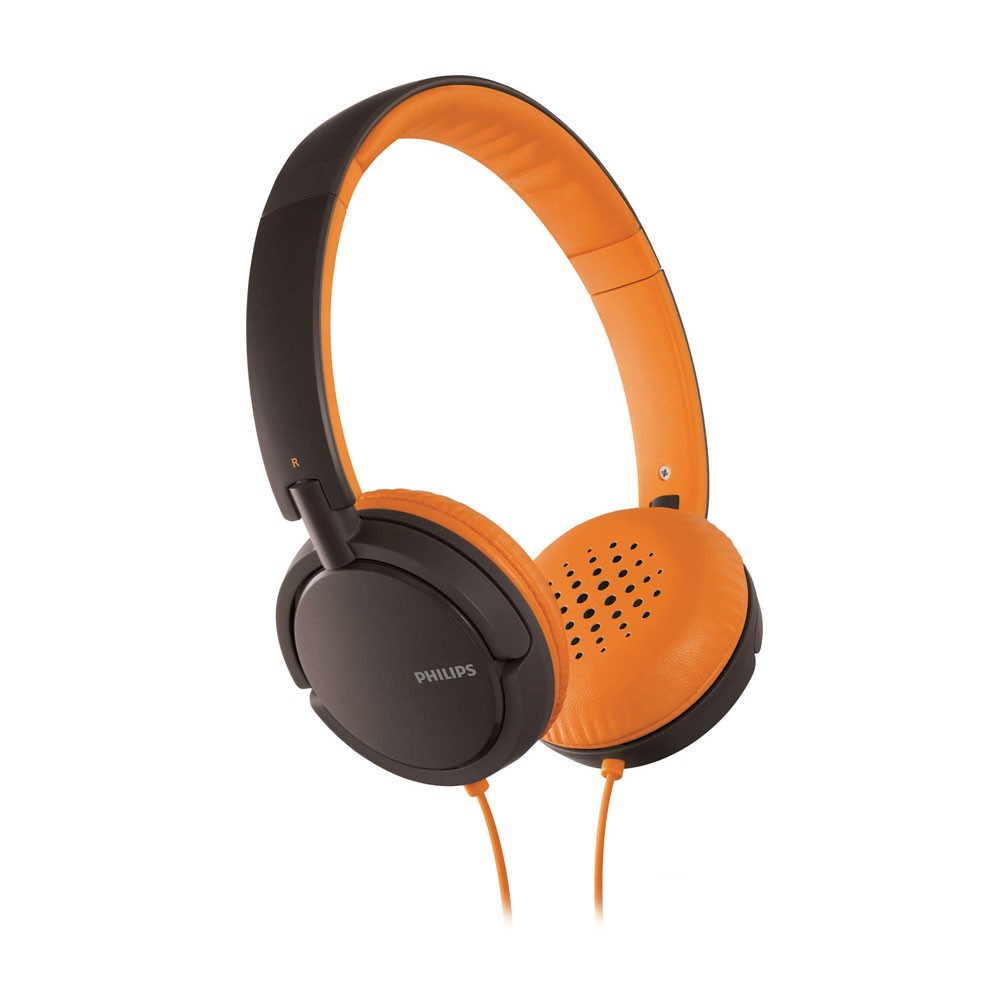
OnePlus Type-C Bullets vs Philips SHL5001-10
Advertisement
| Specification | ||
|---|---|---|
| Price | Rs.1,490.00 |
Rs.1,500.00 |
| Brand | OnePlus |
Philips |
| Model No | Type-C Bullets |
SHL5001-10 |
| Wired / Wireless | Wired Headphone Specification |
Wired Headphone Specification |
| Headphone Type | In Ear Canal |
On Ear |
| Magnet Type | Dynamic |
Neodymium |
| Driver Diameter | NA |
40 mm |
| Impedance | 24 ohm |
32 Ohms |
| Sensitivity | 107 dB |
106 dB/mW |
| Frequency Response | 20 - 20,000 Hz |
10 Hz - 28000 Hz |
| Maximum Power Input | 3 mW |
50 mW |
| Noise Cancelling | No |
NA |
| Available Colors | Black |
Yellow |
| Connector Plating | Type C |
3.5 mm Gold Plated Jack |
| Cable | USB Type-C Cable (1.15 m) |
1.2 m |
| Weight | 14 g |
123 g |
| Other Features | Special features Bluetooth, wireless, with microphone. Better Audio with a Built-in ADC & DAC. Stay in Control. The Sound of Quality. By removing the MIC signal from the channels, the quality of your phone calls is also significantly improved. |
- Headphone folds flat for easy storing and carrying - Steelspring headband for a flexible fit on your head - Soft Ear cushions so you can keep on listening - Lightweight headband enhances comfort and adds durability - 30mm Speaker drivers give you great sound with a deep bass - Soft cushions that smartly cover your ear to block out any ambient noise. |
Advertisement
Compare OnePlus Type-C Bullets with:
Compare Philips SHL5001-10 with:
Top Differences
- Noise Cancelling: NA vs No
- Driver Size: 40 mm vs NA
- Weight: 123 g vs 14 g
- Impedance: 32 Ohms Vs 24 ohm
Advertisement