 ALERT
ALERT
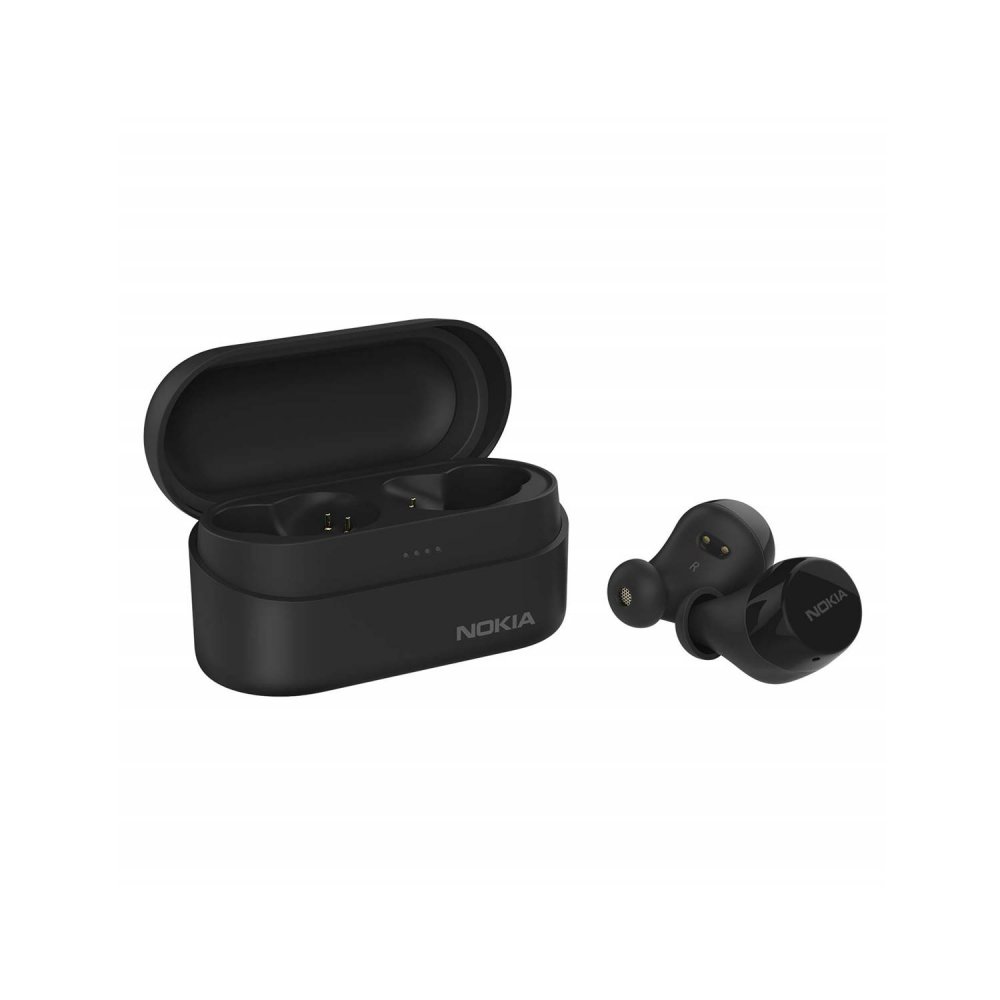
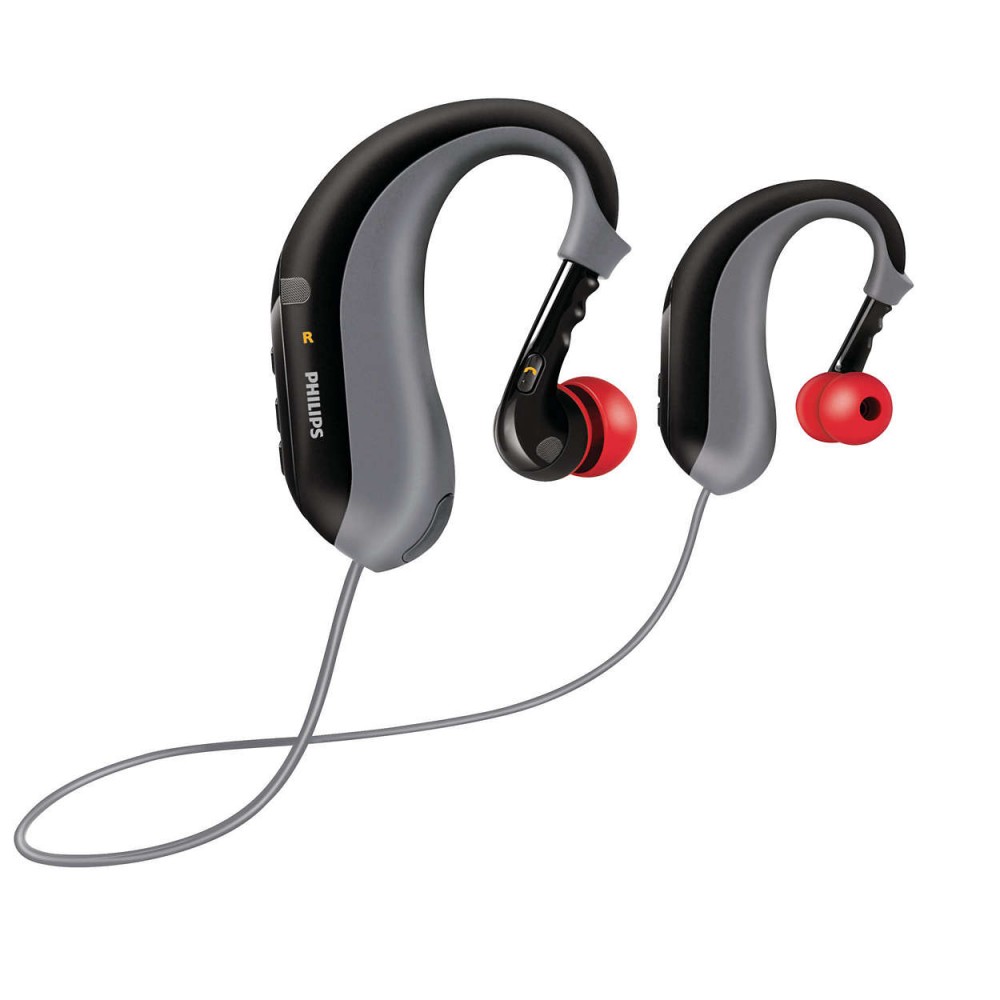
Nokia Power Earbuds Lite vs Philips SHB6017-28
Advertisement
| Specification | ||
|---|---|---|
| Price | Rs.9,558.00 |
Rs.9,400.00 |
| Brand | Nokia |
Philips |
| Model No | Power Earbuds Lite |
SHB6017-28 |
| Wired / Wireless | Wireless Headphone Specification |
Wireless Headphone Specification |
| Headphone Type | In Ear Canal |
Neckband |
| Magnet Type | Dynamic |
Neodymium |
| Driver Diameter | 6 mm |
8.6 mm |
| Impedance | NA |
16 Ohm |
| Sensitivity | NA |
102 dB/mW |
| Frequency Response | 20 Hz To 20000 kHz |
15 Hz - 100,000Hz |
| Maximum Power Input | 50 mAh |
20 mW |
| Wireless / Bluetooth Details | ||
| Wireless Technology | Bluetooth |
Bluetooth |
| Bluetooth Version | 5.0 |
2.1 |
| Compatible Profiles | All Bluetooth Devices |
A2DP, AVRCP, HFP, HSP |
| Supported Codecs | HSP, HFP, AVRCP, A2DP |
NA |
| Battery Type | Lithium Polymer |
Lithium-ion rechargeable battery |
| Bluetooth Range | 10 Meters |
15 m |
| Battery Life | 35 Hours |
Talktime : 4.5 Hrs |
| Charging Time | 2 Hours |
2 Hrs |
| Noise Cancelling | NA |
NA |
| Available Colors | Black, White |
Black, Brown |
| Connector Plating | NA |
NA |
| Cable | USB Type-C Charging Cable |
NA |
| Weight | 48.4 gm |
84 g |
| Other Features | Take your tunes with you in the pocket-sized charging case. Get lost in your songs for longer with up to 35 hours of play time. Keep the music going come rain or shine thanks to IPX7 waterproofing. Enjoy the simplicity of universal Bluetooth compatibility and easy-touch controls. The Power Earbuds Lite with IPX7 waterproofing can handle up to 30 minutes in 1m of water, so feel free to go dancing in the rain. |
- Quick-dry headset pouch - Sweat proof and fully washable - 3 sizes of ear caps included - Noise isolating in-ear design - Adjustable ear hook - Dual mic noise suppression - Acoustic echo cancellation Convenience - Call Management : Answer/End Call, Reject Call, Last Number Redial, Voice Dial, Microphone Mute, Switch call and music - Volume Control : Yes |
Advertisement
Compare Nokia Power Earbuds Lite with:
Compare Philips SHB6017-28 with:
Top Differences
- Battery Life: Talktime : 4.5 Hrs, Standby Time : 120 Hrs, Music Time : 4.5 Hrs vs 35 Hours
- Driver Size: 8.6 mm vs 6 mm
- Bluetooth: 2.1 vs 5.0
- Weight: 84 g vs 48.4 gm
- Impedance: 16 Ohm Vs NA
Advertisement