 ALERT
ALERT
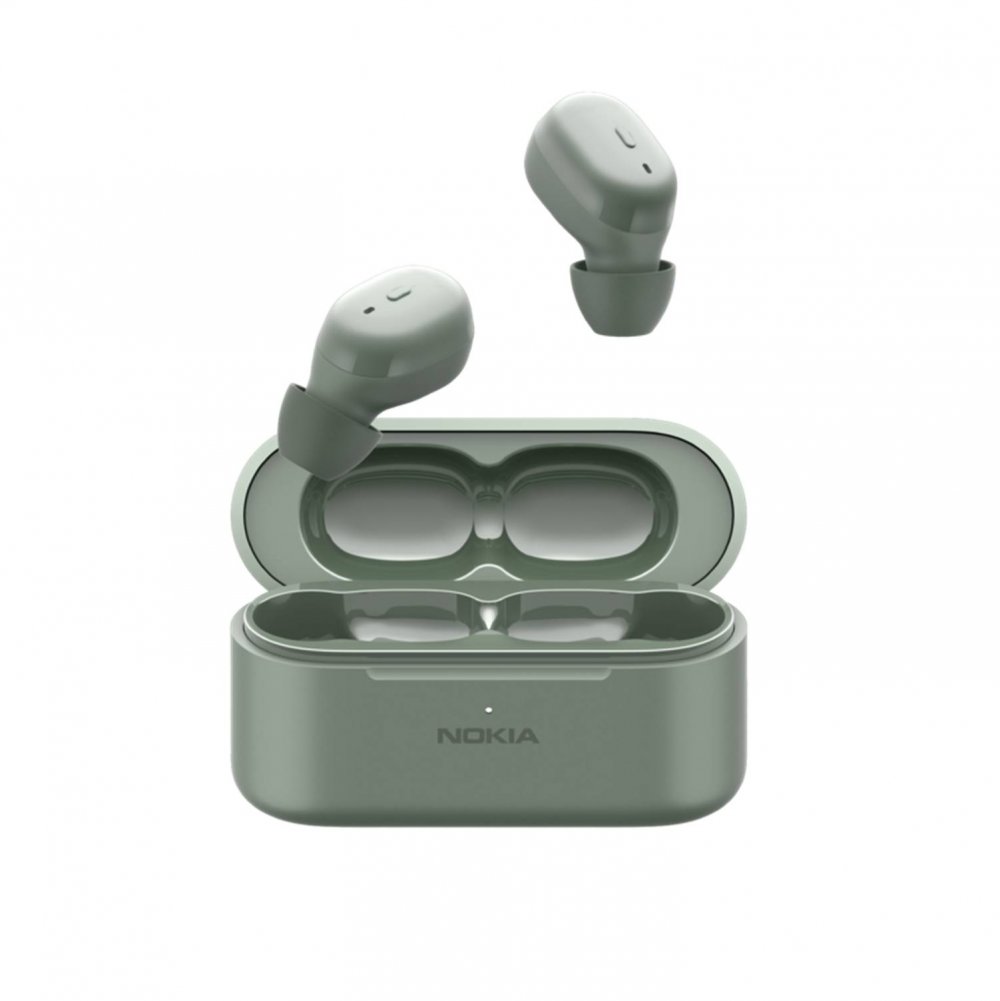
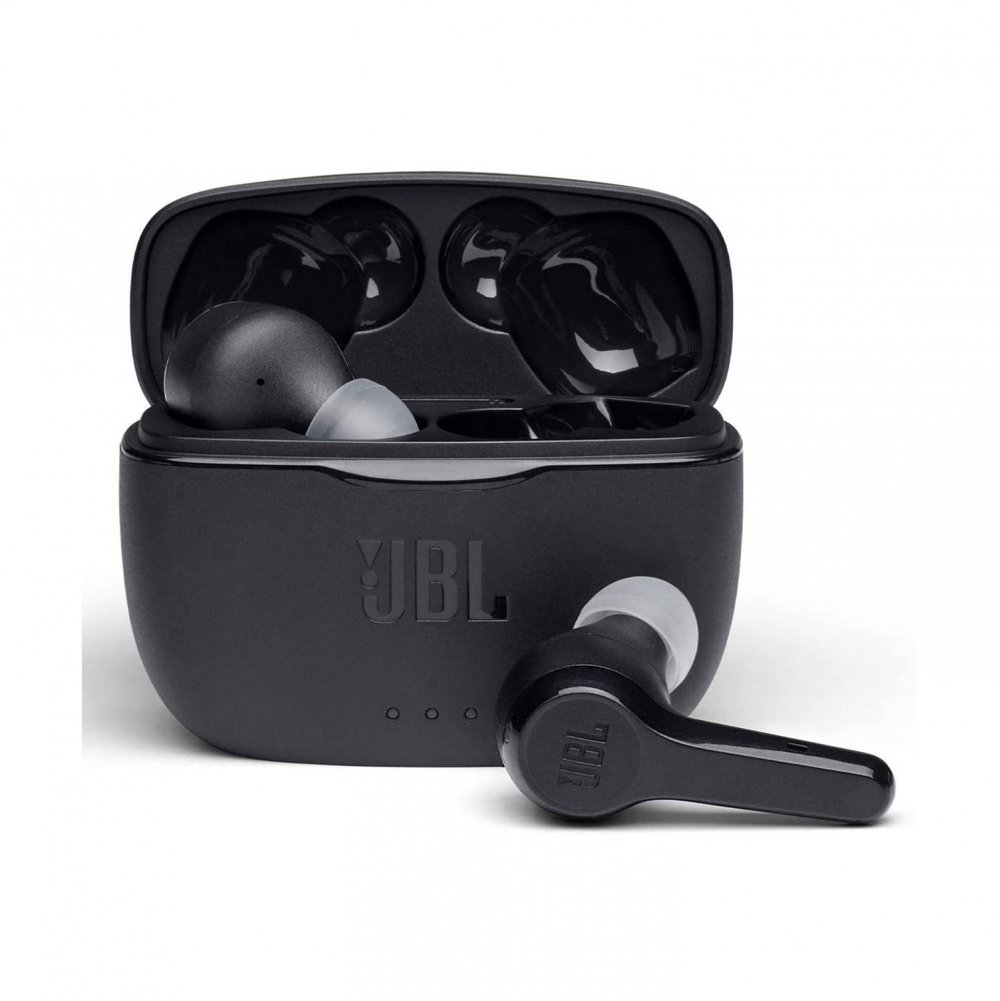
Nokia E3200 vs JBL TUNE 215TWS
Advertisement
| Specification | ||
|---|---|---|
| Price | Rs.5,999.00 |
Rs.5,999.00 |
| Brand | Nokia |
JBL |
| Model No | E3200 |
TUNE 215TWS |
| Wired / Wireless | Wireless Headphone Specification |
Wireless Headphone Specification |
| Headphone Type | In Ear Canal |
In Ear |
| Magnet Type | Dynamic |
Dynamic |
| Driver Diameter | 6 mm |
6.0 mm |
| Impedance | 16 ohm |
14 ohm |
| Sensitivity | 103dB |
108dB |
| Frequency Response | 20 Hz to 20000 kHz |
20 Hz - 20000 kHz |
| Maximum Power Input | 10 mW |
5 V 1 A |
| Wireless / Bluetooth Details | ||
| Wireless Technology | Bluetooth |
Bluetooth |
| Bluetooth Version | 5.0 |
5.0 |
| Compatible Profiles | All Bluetooth Devices |
All Bluetooth Devices |
| Supported Codecs | HSP, HFP, AVRCP, A2DP |
A2DP, AVRCP, HFP |
| Battery Type | Lithium |
Lithium Polymer Battery |
| Bluetooth Range | 10 Meters |
10 Meters |
| Battery Life | 17 Hours |
5 Hours |
| Charging Time | 2 Hours |
< 2 Hours |
| Noise Cancelling | NA |
NA |
| Available Colors | Black, Green, Pink |
Black, White, Green, Purple |
| Connector Plating | NA |
No |
| Cable | Type-C USB Charging Cable |
Type-C USB Charging Cable |
| Weight | 27 gm |
51.3 gm |
| Other Features | Stay alert. Stay connected. "Hey Google, take me home". Enjoy uninterrupted audio in comfort. The freedom to move. The power to listen. IPX Level 5 – better protection from sweat or rain. Ambient Mode - hear your surroundings at the push of a button. Sleek and compact battery case easily slips into your pocket for superb portability. TUltra-lightweight and ergonomically engineered to accompany your everyday journey. Five hours of play time with the earphones, plus an additional 12 hours of play time using the sleek charging case. Get directions, enjoy a music playlist, or make a call with Google Assistant. Whenever you need hands-free, activating Google or Siri voice help is at your command. |
Feel the Bass. Freedom From Wires. Stay Connected, Stay Wireless. Power source type: Battery-Powered. Wireless communication technology: Bluetooth. Your favorite music sounds better with JBL Pure Bass. Ultra-comfortable, the JBL TUNE 215TWS headphones keep you on top of your world, for 25 hours. With up to 25 hours (5 hours from the earbuds and 15 hours from the case) of battery life, you can listen all day and all night. Easily manage calls and Voice Assistant from either earbud or both with Dual Connect. And save battery life, so that you can listen longer or quickly recharge with USB type-C. |
Advertisement
Compare Nokia E3200 with:
Compare JBL TUNE 215TWS with:
Top Differences
- Battery Life: 5 Hours vs 17 Hours
- Weight: 51.3 gm vs 27 gm
- Impedance: 14 ohm Vs 16 ohm
Advertisement