| Model No |
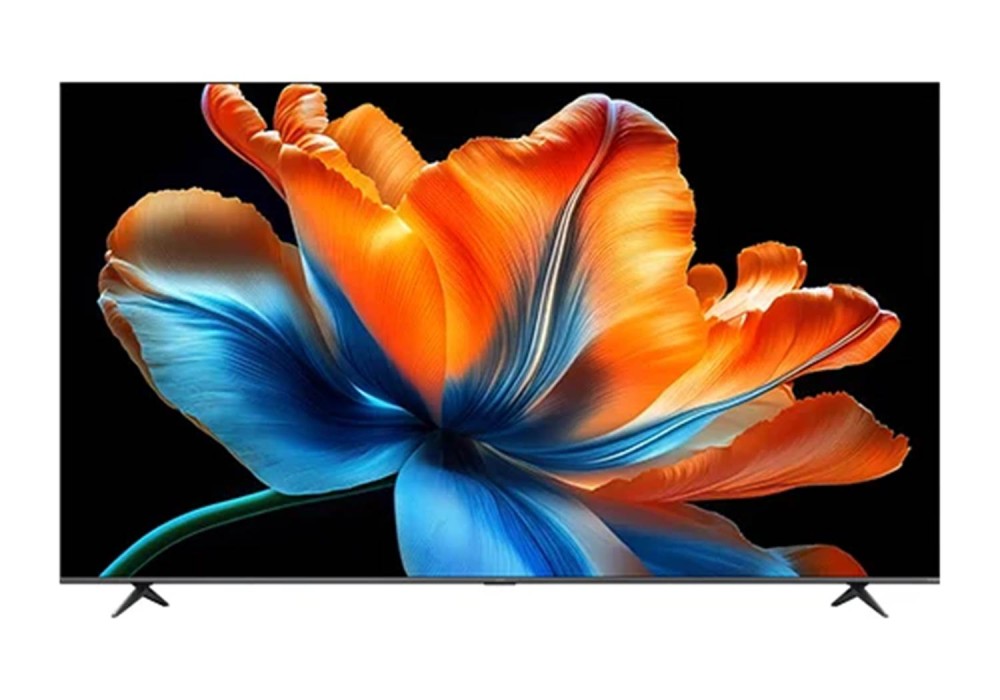
Xiaomi TV S Mini LED 85 2026 |
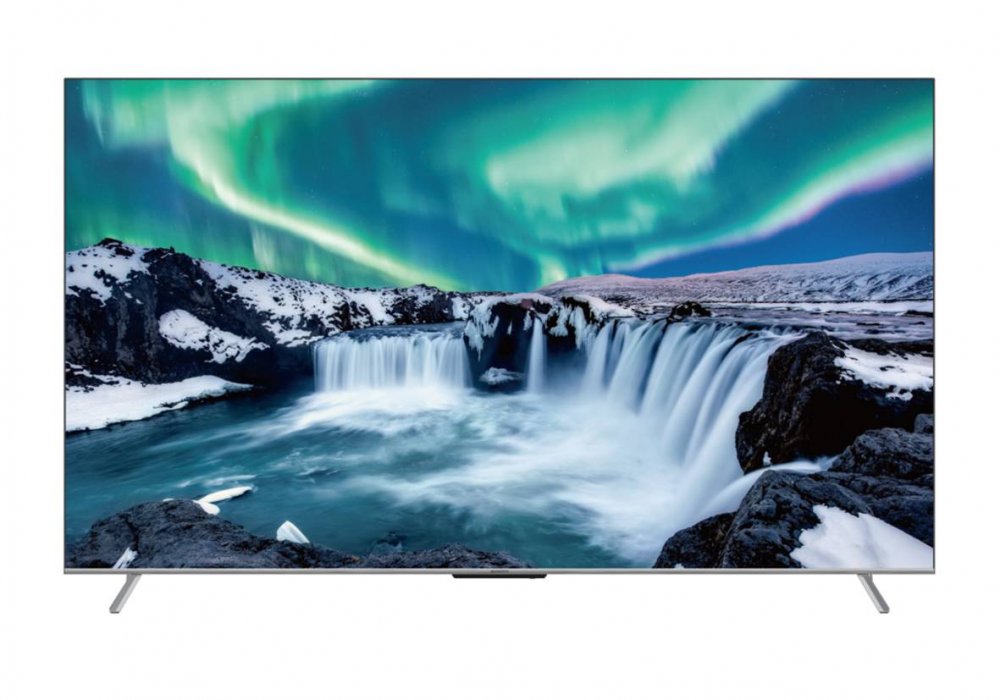
86SUE7600 |
| TV Type |
Smart TV |
Smart TV |
| Screen Size |
85 Inch (216 cm) |
86 Inch (218 cm) |
| Resolution |
4K 3840 x 2160 |
4K 3840 x 2160 |
| Aspect Ratio |
16:9 |
16:9 |
| Motion Rate |
144 Hz |
120 Hz |
| Viewing Angle |
178°/178° |
178°/178° |
| USB |
| USB Version |
: 3.0 + 2.0 |
| Supported Audio Formats |
: Dolby, DTS, MP3, FLAC, AAC, OGG, ADPCM, OPUS |
| Supported Video Formats |
: AV1, H.265, H.264,H.263, VP8/VP9, MPEG 1/2, MJPEG |
| Supported Picture Formats |
: JPG,PNG, GIF, BMP |
|
| USB Version |
: 2.0 |
| Supported Audio Formats |
: MP3, WMA, WAV |
| Supported Video Formats |
: MPG, MPEG, DAT, VOB, MKV, MP4, MOV, FLV, 3GP |
| Supported Picture Formats |
: JPG, JPEG, BMP, PNG |
|
| Video |
| Backlight |
: 4K UHD QD-MINI LED |
| HLG |
: Yes |
| HDR10+ |
: Yes |
| Dolby Vision® |
: Yes |
| Filmmaker Mode |
: Yes |
| LED Quantum Dot |
: Yes |
| Vivid Color Engine |
: Yes |
| 1.07 Billion Colours |
: Yes |
| Deep Contrast Engine |
: Yes |
| Dynamic Clarity Engine |
: Yes |
| Global Dimming Engine |
: Yes |
| MEMC |
: 4K 120Hz |
| Dynamic Contrast Ratio |
: 12,000,000:1 |
| Peak Brightness |
: Up To 1200 Nits |
| Wde Color Gamut |
: DCI-P3 94% ( Typ. ) |
| Picture Engine |
: Xiaomi Visual Engine |
| Dimming Zones |
: 640 Zones Advanced Backlight Zoning |
|
| BackLight |
: 4K UHD LED TV |
| HDR10 |
: Yes |
| Flicker Free |
: Yes |
| Dolby Vision |
: Yes |
| Filmmaker Mode |
: Yes |
| Al Self-Adaption |
: Yes |
| Super Resolution |
: Yes |
| Dynamic Remodel |
: Yes |
| Boundless Screen 4.0 |
: Yes |
| Contrast Enhancement |
: Yes |
| Intelligent MPEG Noise Reduction |
: Yes |
| PQ Engine |
: Chameleon™ Extreme 2.0 |
| Picture |
: Picture Quality Technology |
|
| Audio |
| Audio Output ( RMS ) |
: 2 X 15 W |
| Dolby Atmos® |
: Yes |
| Xiaomi Sound |
: Yes |
|
| Audio Output Power ( RMS ) |
: 2 X 12 W |
| Dolby Audio |
: Yes |
| Dolby Atmos |
: Yes |
| Adaptive Sound |
: Yes |
| Bluetooth Audio |
: Yes |
| DTS Studio Sound |
: Yes |
| Sound Effect |
: Surround |
| Speaker Type |
: Down Firing |
|
| Connectivity Options |
| HDMI ( 2.1 ) |
: 3 ( Support CEC ALLM VRR, HDMI 1, 2 Support 4K 144Hz + HDMI 2 Supports eARC ) |
| USB ( 2.0 ) |
: 2 ( USB 2.0 X 1 + USB 3.0 X 1 ) |
| CI+ Slot |
: Yes |
| Bluetooth® 5.2 |
: Yes |
| Ethernet / LAN |
: Yes |
| 3.5mm Headphone Jack |
: Yes |
| Optical Digital Audio Out |
: Yes |
| Broadcasting System |
: DVB-T2+C/DVB-S2 |
| WiFi |
: Wi-Fi 6, Dual-Band 2.4GHz/5GHz |
|
| HDMI 2.0 |
: 3 |
| USB 2.0 |
: 2 |
| Bluetooth 5.1 |
: Yes |
| Ethernet / LAN |
: Yes |
| Chromecast Built-In |
: Yes |
| RF Connection Inputs |
: Yes |
| Digital Audio Outputs |
: Yes |
| WiFi |
: 5G+2.4G Wifi ( 2T2R ) |
|
| Smart TV Features |
| Operating System |
: Google TV™ |
| CPU |
: Quad Cortex A73 |
| GPU |
: Mali-G52 ( 2EE ) MC1 |
| RAM |
: 3 GB |
| ROM |
: 32 GB |
| Netflix |
: Yes |
| YouTube |
: Yes |
| Xiaomi TV+ |
: Yes |
| Prime Video |
: Yes |
| Google Cast |
: Yes |
| Hey Google |
: Yes |
| Apple AirPlay |
: Yes |
| Supports Miracast |
: Yes |
| Free Live TV Streaming |
: Yes |
| Google Assistant Built-In |
: Yes |
|
| Operating System |
: Google TV |
| CPU |
: A53*4-1.5GHZ |
| GPU |
: Mali G52 |
| RAM |
: 2 GB |
| ROM |
: 32 GB |
| Clip TV |
: Yes |
| Netflix |
: Yes |
| YouTube |
: Yes |
| Video Search |
: Yes |
| Web Browser |
: Yes |
| Home Control |
: Yes |
| Low Blue Light |
: Yes |
| Health Platform |
: Yes |
| Google Assistant |
: Yes |
| Google Play Store |
: Yes |
| Amazon Prime Video |
: Yes |
| Mobile To TV - Mirroring |
: Yes |
|
| Other Features |
| Design |
: Limitless Display With Bezel-Less Design |
| Color |
: Dark Gray |
| Stand |
: Double |
| Light Sensor |
: Yes |
| Ambient Light Intelligence |
: Yes |
|
| Design |
: Boundless Screen Design |
| Eye Care |
: Yes |
| Kid's Care |
: Yes |
| Warranty |
: 2 Years |
|
| General Details |
| Power Supply ( Voltage, Hz ) |
: AC 200-240V~50/60Hz |
| Power Consumption |
: 430 W |
| Power Consumption Standby |
: ≤0.5 W |
| Weight Without Stand |
: 32.5 Kg |
| Weight With Stand |
: 33.4 Kg |
| Weight Including Packing |
: 45 Kg |
| Relative Humidity |
: <80% |
| Humidity |
: 20% To 80% |
| Storage Temperature |
: -15℃ To 45℃, |
| Operating Temperature |
: 0°C To 40°C |
| Wall Mount |
: 600 mm X 400 mm |
|
| Power Supply ( Voltage, Hz ) |
: AC 110-240V~ 50/60Hz |
| Power Consumption |
: 390 W |
| Power Consumption Standby Mode |
: <0.5 W |
| Net Weight |
: 43.3 Kg |
| Gross Weight |
: 59 Kg |
|
| Supplied Accessories |
| 1N Bluetooth Remote Control |
: Yes |
| 1N Screw Kit |
: Yes |
| 1N Power Cable |
: Yes |
| 2N Base Components |
: Yes |
| 1N User Manual & Warranty Card |
: Yes |
|
| Remote Control IR + BT |
: Yes |
|
 ALERT
ALERT