Best For
Best for Gaming
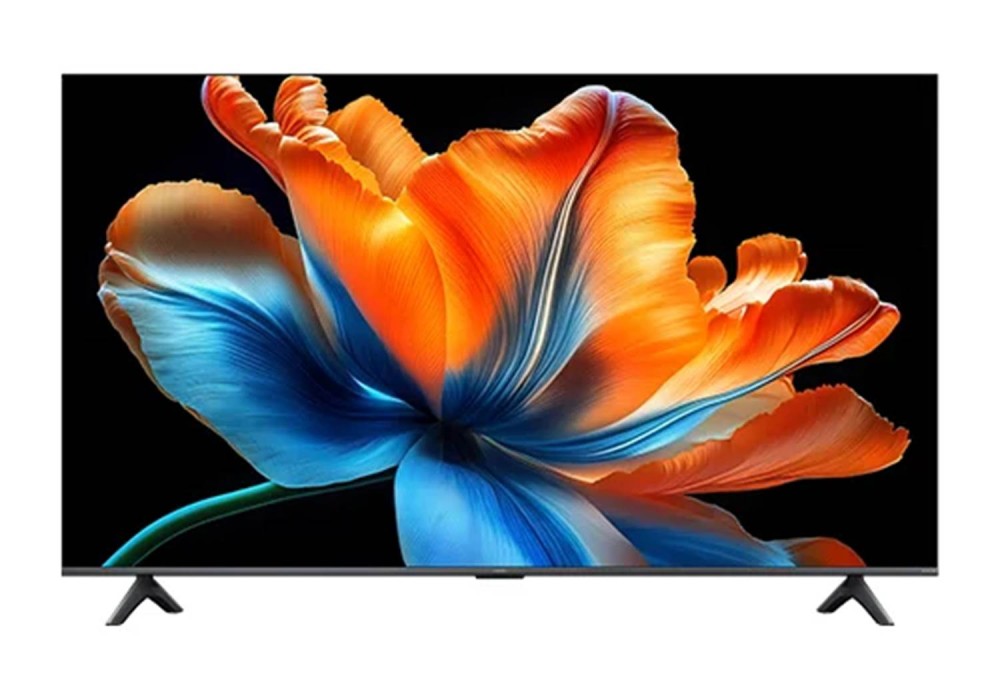
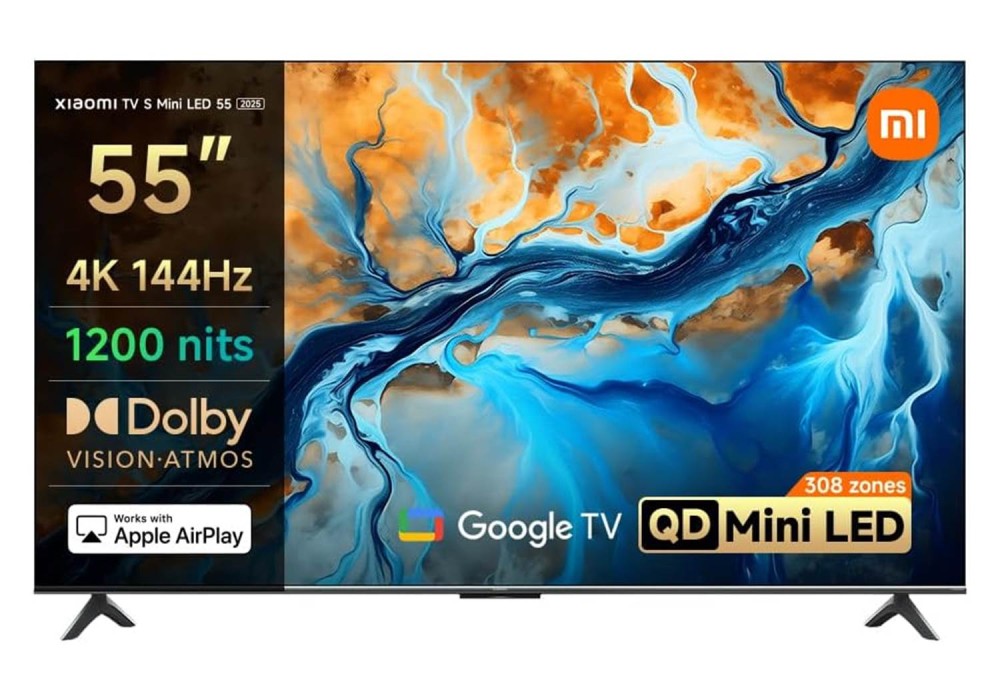
Mi Xiaomi TV S Mini LED 55 2025
Better Sound Quality
Mi Xiaomi TV S Mini LED 55 2025
Best Connectivity
Mi Xiaomi TV S Mini LED 55 2025
Best Smart TV Performance
Mi Xiaomi TV S Mini LED 55 2025
Best Value
Mi Xiaomi TV S Mini LED 55 2026
The Mi Xiaomi TV S Mini LED 55 2026 and Mi Xiaomi TV S Mini LED 55 2025 are closely matched 55-inch 4K Mini LED TVs aimed at premium home entertainment users. Both feature QD-Mini LED technology, 308 local dimming zones, Dolby Vision support, and Google TV. However, the differences become clear when you look at gaming, connectivity, memory, and audio capabilities. The 2025 model focuses heavily on high-refresh-rate gaming with 144Hz support, AMD FreeSync Premium, and Wi-Fi 6, while the 2026 model emphasizes strong picture quality, Dolby Audio, and a more affordable mainstream experience. Choosing between them depends largely on whether gaming performance or overall value matters more to you.
Verdict
The Mi Xiaomi TV S Mini LED 55 2025 is the stronger overall package thanks to its native 144Hz panel, advanced gaming features, Wi-Fi 6, Bluetooth 5.2, additional RAM, and Dolby Atmos support. It is the better choice for gamers and power users.
The Mi Xiaomi TV S Mini LED 55 2026 remains an attractive option for movie lovers and everyday streaming, offering similar Mini LED picture quality, high brightness, and solid smart TV features. If priced noticeably lower, it can deliver better value for casual users.
|
| Model No |
Xiaomi TV S Mini LED 55 2026 |
Xiaomi TV S Mini LED 55 2025 |
| TV Type |
Smart TV |
Smart TV |
| Screen Size |
55 Inch (139 cm) |
55 Inch (139 cm) |
| Resolution |
4K 3840 x 2160 |
4K 3840 x 2160 |
| Aspect Ratio |
16:9 |
16:9 |
| Motion Rate |
60 Hz |
144 Hz |
| Viewing Angle |
178°/178° |
178°/178° |
| USB |
| USB Version |
: 2.0 |
| Supported Audio Formats |
: Dolby, DTS, MP3, FLAC, AAC, OGG, ADPCM, OPUS |
| Supported Video Formats |
: AV1, H.265, H.264,H.263, VP8/VP9, MPEG 1/2, MJPEG |
| Supported Picture Formats |
: JPG,PNG, GIF, BMP |
|
| USB Version |
: 3.0 + 2.0 |
| Supported Audio Formats |
: Dolby, DTS, MP3, FLAC, AAC, OGG, ADPCM, OPUS |
| Supported Video Formats |
: AV1, H.265, H.264,H.263, VP8/VP9, MPEG 1/2, MJPEG |
| Supported Picture Formats |
: JPG,PNG, GIF, BMP |
|
| Video |
| Backlight |
: 4K UHD QD-MINI LED |
| HLG |
: Yes |
| HDR10+ |
: Yes |
| Dolby Vision® |
: Yes |
| Filmmaker Mode |
: Yes |
| 1.07 Billion Colours |
: Yes |
| Image Quality Engine |
: Yes |
| Global Dimming Engine |
: Yes |
| QLED Quantum Dot Technology |
: Yes |
| MEMC |
: 4K 60Hz |
| Dynamic Contrast Ratio |
: 12,000,000:1 |
| Peak Brightness |
: Up To 1200 Nits |
| Picture Engine |
: Vivid Color Engine |
| Wde Color Gamut |
: DCI-P3 94% ( Typ. ) |
| Dimming Zones |
: 308 Zones Advanced Backlight Zoning |
|
| Backlight |
: 4K UHD QD-MINI LED |
| HLG |
: Yes |
| HDR10+ |
: Yes |
| Dolby Vision® |
: Yes |
| Filmmaker Mode |
: Yes |
| Dolby Vision® IQ |
: Yes |
| Contrast Enhancer |
: Yes |
| Comprehensive Colour Engine |
: Yes |
| New Generation HDR Technology |
: Yes |
| Professional Algorithmic Calibration |
: Yes |
| Comprehensive Backlight Control |
: Yes |
| MEMC |
: 4K 120Hz |
| Dynamic Contrast Ratio |
: 12000000:1 |
| Wde Color Gamut |
: DCI-P3 94% ( Typ. ) |
| Color Depth |
: 1.07 Billion Colours |
| Peak Brightness |
: 1200 Nits Peak Brightness |
| Dimming Zones |
: 308 Zones Advanced Dimming Zones |
|
| Audio |
| Audio Output ( RMS ) |
: 2 X 15 W |
| DTS:X |
: Yes |
| Dolby Audio |
: Yes |
| Xiaomi Sound |
: Yes |
|
| Audio Output ( RMS ) |
: 2 X 12.5 W |
| Dolby Atmos® |
: Yes |
| Stereo Speaker |
: Yes |
| IMAX Enhanced |
: Yes |
|
| Connectivity Options |
| HDMI ( 2.1 + 2.0 ) |
: 3 ( HDMI 2.1 X 1, Support CEC ALLM, HDMI 1, 2, 3 Support 4K 60Hz + HDMI 3 Supports eARC ) |
| USB ( 2.0 ) |
: 1 |
| CI+ Slot |
: Yes |
| Ethernet / LAN |
: Yes |
| Bluetooth® 5.0 |
: Yes |
| AV ( 3 In 1) In X 1 |
: Yes |
| Optical Digital Audio Out |
: Yes |
| Broadcasting System |
: DVB-T2+C/DVB-S2 |
| WiFi |
: Wi-Fi 5, Dual-Band 2.4GHz/5GHz |
|
| HDMI ( 2.1 ) |
: 3 ( Support CEC ALLM VRR, HDMI1, 2 Support 4K 144Hz + HDMI3 Supports eARC ) |
| USB ( 3.0 + 2.0 ) |
: 2 ( USB3.0 X 1 + USB2.0 X 1 ) |
| CI+ Slot |
: Yes* |
| Ethernet / LAN |
: Yes |
| Bluetooth® 5.2 |
: Yes |
| 3.5mm Headphone Jack |
: Yes |
| Optical Digital Audio Out |
: Yes |
| Broadcasting System |
: DVB-T2+C/DVB-S2* |
| WiFi |
: Wi-Fi 6, dual-band 2.4GHz/5GHz |
|
| Smart TV Features |
| Operating System |
: Google TV™ |
| CPU |
: Quad Cortex A73 |
| GPU |
: Mali-G52 ( 2EE ) MC1 |
| RAM |
: 2 GB |
| ROM |
: 32 GB |
| Netflix |
: Yes |
| YouTube |
: Yes |
| Xiaomi TV+ |
: Yes |
| Prime Video |
: Yes |
| Google Cast |
: Yes |
| Hey Google |
: Yes |
| Apple AirPlay |
: Yes |
| Supports Miracast |
: Yes |
| Free Live TV Streaming |
: Yes |
| Google Assistant Built-In |
: Yes |
|
| Operating System |
: Google TV™ |
| CPU |
: Quad Cortex A73 |
| GPU |
: Mali-G52 ( 2EE ) MC1 |
| RAM |
: 3 GB |
| ROM |
: 32 GB |
| Netflix |
: Yes |
| YouTube |
: Yes |
| Xiaomi TV+ |
: Yes |
| Prime Video |
: Yes |
| Google Cast |
: Yes |
| Hey Google |
: Yes |
| Apple AirPlay |
: Yes |
| Supports Miracast |
: Yes |
| Free Live TV Streaming |
: Yes |
| Google Assistant Built-In |
: Yes |
|
| Other Features |
| Design |
: Limitless Display With Bezel-Less Design |
| Color |
: Dark Gray |
| Stand |
: Double |
| Light Sensor |
: Yes |
| Ambient Light Intelligence |
: Yes |
|
| Design |
: Limitless Display With Bezel-Less Design |
| Power Button |
: Yes |
| Ambient Light Adjustment |
: Yes |
| Stand |
: Double |
| Color |
: Dark Gray |
|
| General Details |
| Power Supply ( Voltage, Hz ) |
: AC 200-240V~50/60Hz |
| Power Consumption |
: 230 W |
| Power Consumption Standby |
: ≤0.5 W |
| Weight Without Stand |
: 11.6 Kg |
| Weight With Stand |
: 11.7 Kg |
| Weight Including Packing |
: 15.8 Kg |
| Relative Humidity |
: <80% |
| Humidity |
: 20% To 80% |
| Storage Temperature |
: -15℃ To 45℃, |
| Operating Temperature |
: 0°C To 40°C |
| Wall Mount |
: 400 mm X 300 mm |
|
| Power Supply ( Voltage, Hz ) |
: AC 200-240V~50/60Hz |
| Power Consumption |
: 230 W |
| Power Consumption Standby |
: ≤0.5 W |
| Weight Without Stand |
: 12.7 Kg |
| Weight With Stand |
: 12.8 Kg |
| Weight Including Packing |
: 16.2 Kg |
| Relative Humidity |
: <80% |
| Humidity |
: 20% To 80% |
| Storage Temperature |
: -15℃ To 45℃, |
| Operating Temperature |
: 0°C To 40°C |
| Wall Mount |
: 400 mm X 300 mm |
|
| Supplied Accessories |
| 1N Bluetooth Remote Control |
: Yes |
| 1N Screw Kit |
: Yes |
| 1N Power Cable |
: Yes |
| 2N Base Components |
: Yes |
| 1N User Manual & Warranty Card |
: Yes |
|
| 1X Bluetooth Remote Control |
: Yes |
| 1X Screw Kit |
: Yes |
| 1X Power Cable |
: Yes |
| 2X Base Components |
: Yes |
| 1X Safety & Installation Instructions |
: Yes |
|
|
Compare Mi Xiaomi TV S Mini LED 55 2026 with:
|
Compare Mi Xiaomi TV S Mini LED 55 2025 with:
|
|
Frequently Asked Questions
Which product is better for gaming?
The Mi Xiaomi TV S Mini LED 55 2025 is better for gaming thanks to its 144Hz refresh rate, AMD FreeSync Premium, 4K 144Hz VRR support, and 240Hz Game Boost mode.
Does the Mi Xiaomi TV S Mini LED 55 2026 support Dolby Atmos?
No, the listed specifications mention Dolby Audio and DTS:X support, while Dolby Atmos support is specifically mentioned on the 2025 model.
Which TV offers better smart TV performance?
The 2025 model has 3GB RAM compared to 2GB on the 2026 model, which can provide smoother multitasking and app performance.
Is picture quality very different between these TVs?
Not significantly. Both models feature QD-Mini LED technology, 308 dimming zones, 1200 nits peak brightness, Dolby Vision, HDR10+, and a wide DCI-P3 color gamut.
Which TV has better connectivity options?
The 2025 model offers newer Wi-Fi 6, Bluetooth 5.2, an additional USB port, and more advanced HDMI 2.1 gaming capabilities.
Which TV should most buyers choose?
Most buyers should choose the Mi Xiaomi TV S Mini LED 55 2025 for its stronger gaming features, Dolby Atmos support, faster connectivity, and extra RAM. The 2026 model is worth considering if available at a noticeably lower price.
Top Differences- Refresh Rate: 60 Hz Vs 144 Hz
|
|