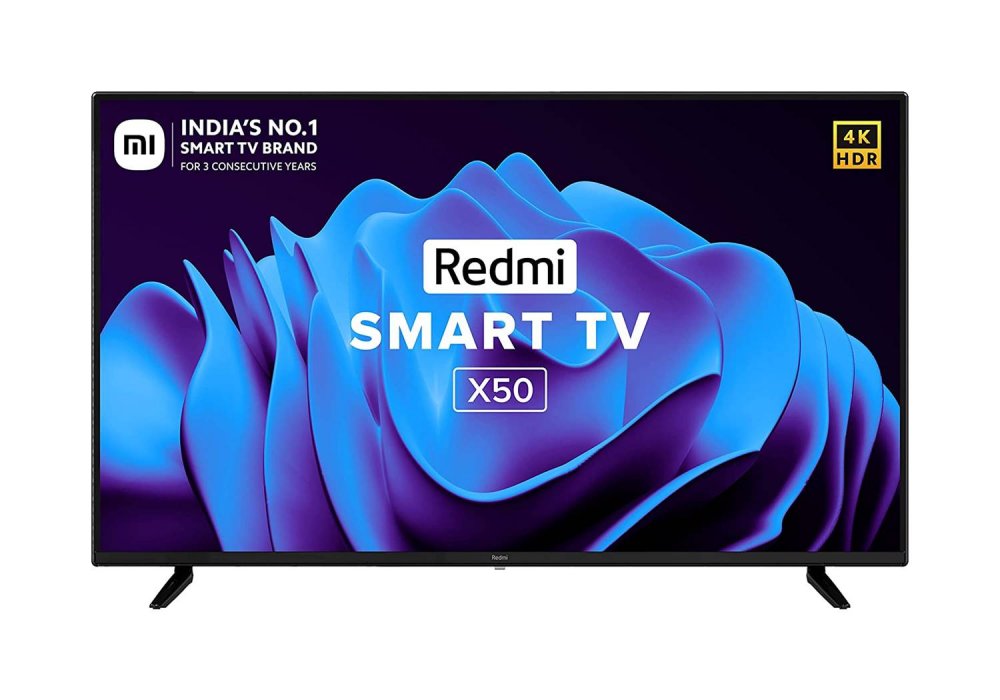
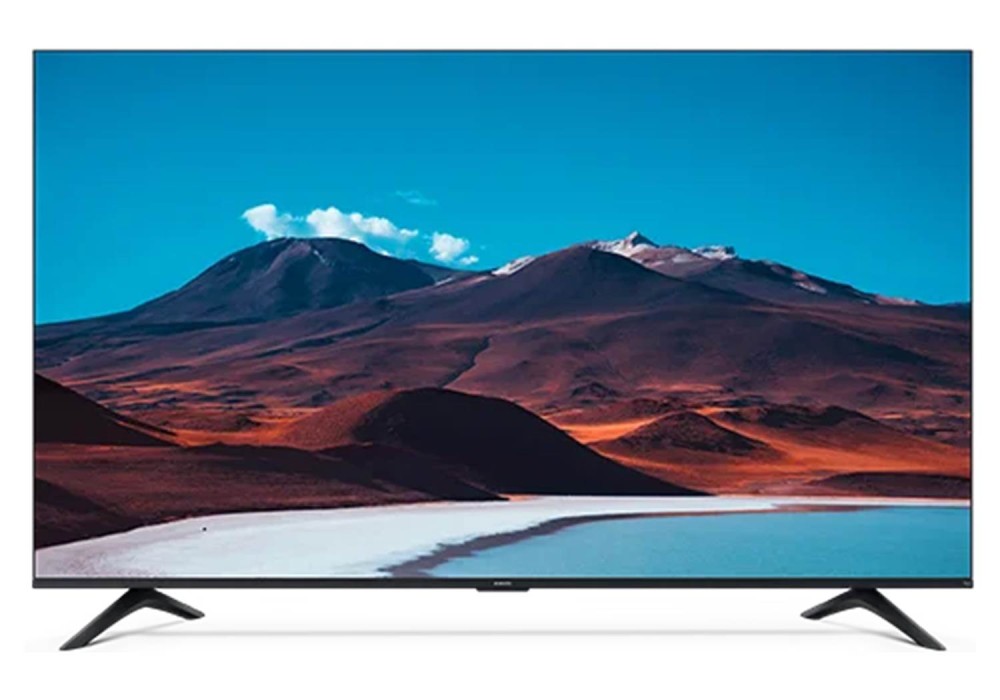
| Model No |
TVX50 |
Xiaomi TV F 50 2026 |
| TV Type |
Smart TV |
Smart TV |
| Screen Size |
50 Inch (126 cm) |
50 Inch (126 cm) |
| Resolution |
4K 3840 x 2160 |
4K 3840 x 2160 |
| Aspect Ratio |
16:9 |
16:9 |
| Motion Rate |
60 Hz |
60 Hz |
| Viewing Angle |
178°/178° |
178°/178° |
| USB |
| USB Version |
: 2.0 |
| Supported Audio Formats |
: Dolby, DTS-HD, FLAC, AAC, OGG, ADPCM |
| Supported Video Formats |
: AV1, H.265, H.264, H.263, VP8/VP9, MPEG1/2 |
| Supported Picture Formats |
: PNG, GIF, JPG, BMP |
|
| USB Version |
: 2.0 |
| Supported Audio Formats |
: Dolby, DTS, MP3, FLAC, AAC, OGG, ADPCM, OPUS |
| Supported Video Formats |
: AV1, H.265, H.264, H.263, VP8/VP9, MPEG 1/2, MJPEG |
| Supported Picture Formats |
: PNG, GIF, JPG, BMP |
|
| Video |
| Backlight |
: LED |
| Dolby Vision |
: Yes |
| HDR10+ |
: Yes |
| HDR10 |
: Yes |
| HLG |
: Yes |
| Reality Flow |
: Yes |
| Vivid Picture Engine |
: Yes |
| DCI-P3 |
: 92% (Typ) |
| Wide Color Gamut NTSC |
: 85% (Typ) |
|
| Backlight |
: 4K UHD LED |
| HLG |
: Yes |
| HDR10 |
: Yes |
| DC Dimming |
: Yes |
| HDR Enhance |
: Yes |
| Eye Care Mode |
: Yes |
| Filmmaker Mode |
: Yes |
| Low Blue Light Mode |
: Yes |
| 4K UHD Image Quality |
: Yes |
| MEMC |
: 4K 60Hz |
| Color Depth |
: 1.07 Billion Colours |
|
| Audio |
| Audio Output ( RMS ) |
: 30 W |
| Dolby Audio |
: Yes |
| Dolby Atmos Passthrough eARC* |
: Yes |
| Speaker System |
: 2 Speakers |
| DTS-HD | DTS Virtual:X |
: *Available via OTA Update |
|
| Audio Output ( RMS ) |
: 2 X 10 W |
| DTS X |
: Yes |
| DTS-Virtual |
: Yes |
| Dolby Audio |
: Yes |
|
| Connectivity Options |
| HDMI |
: 3 |
| USB |
: 2 |
| Bluetooth 5.0 |
: Yes |
| Ethernet |
: Yes |
| AV |
: Yes |
| Optical |
: Yes |
| 3.5 mm |
: Yes |
| eARC |
: Yes |
| Chromecast Built-In |
: Yes |
| Wi-Fi 6 |
: 2.4GHz/5GHz Wi-Fi 802.11 a/b/g/n/ac/ax (2x2 MIMO) |
|
| HDMI ( 2.1 ) |
: 3 ( HDMI 2 Support eARC ALLM ) |
| USB ( 2.0 ) |
: 1 |
| CI+ Slot |
: Yes |
| Ethernet / LAN |
: Yes |
| Bluetooth® 5.0 |
: Yes |
| Optical Digital Audio Out |
: Yes |
| Broadcasting System |
: DVB-T2+C/DVB-S2 |
| WiFi |
: Dual-Band 2.4GHz/5GHz |
|
| Smart TV Features |
| Operating system |
: Android TV 10 |
| CPU / Processor |
: 64- bit Quad core A55 Processor |
| GPU |
: Mali G52 MP2 |
| RAM |
: 2 GB |
| Storage |
: 16 GB |
| Ok Google |
: Yes |
| Play Store |
: Yes |
| Auto Low Latency Mode (ALLM) |
: Yes |
| Far-field Mics |
: Yes |
| PatchWall |
: Yes |
| Universal Search |
: Yes |
| Language Universe |
: Yes |
| Kids Mode |
: Yes |
| Live Channels |
: Yes |
| Smart Recommendations |
: Yes |
| User Center |
: Yes |
|
| Operating System |
: Fire TV |
| CPU |
: Quad Cortex A55 |
| GPU |
: Mali-G52 MC1 |
| RAM |
: 2 GB |
| ROM |
: 32 GB |
| Netflix |
: Yes |
| YouTube |
: Yes |
| Xiaomi TV+ |
: Yes |
| Prime Video |
: Yes |
| Apple AirPlay |
: Yes |
| YouTube Music |
: Yes |
| Supports Miracast |
: Yes |
| Alexa Voice Control |
: Yes |
| Free Live TV Streaming |
: Yes |
|
| Other Features |
| Temperature |
: 0℃~45℃ |
| Storage Temperature |
: 15℃~45℃ |
| Humidity |
: 20%~80% |
| Relative Humidity |
: <80% |
|
| Design |
: Sleek Metal Finish With Ultra-Thin Bezel Design |
| Color |
: Black |
| Stand |
: Double |
|
| General Details |
| Power Supply ( Voltage, Hz ) |
: 100-240 Vuff5e50 / 60 Hz |
| Power Consumption |
: 140 W |
| Set Weight ( Without Stand ) |
: NA |
| Set Weight ( With Stand ) |
: NA |
| Set Weight With Packing |
: NA |
|
| Power Supply ( Voltage, Hz ) |
: AC 200-240V~50/60Hz |
| Power Consumption |
: 75 W |
| Power Consumption Standby |
: ≤0.5 W |
| Weight Without Stand |
: 7.3 Kg |
| Weight With Stand |
: 7.4 Kg |
| Weight Including Packing |
: 10.5 Kg |
| Relative Humidity |
: <80% |
| Humidity |
: 20% To 80% |
| Storage Temperature |
: -15℃ To 45℃, |
| Operating Temperature |
: 0°C To 40°C |
| Wall Mount |
: 100 mm X 200 mm |
|
| Supplied Accessories |
| Remote Control |
: Yes |
| User Manual |
: Yes |
|
| 1N Bluetooth Remote Control |
: Yes |
| 1N Screw Kit |
: Yes |
| 1N Power Cable |
: Yes |
| 2N Base Components |
: Yes |
| 1N Safety & Installation Instructions |
: Yes |
|
 ALERT
ALERT