 ALERT
ALERT
| Specification | ||
|---|---|---|
| Price | Rs.4,398.00 |
Rs.4,411.00 |
| Brand | Mi |
Philips |
| Model No | Redmi Buds 5 |
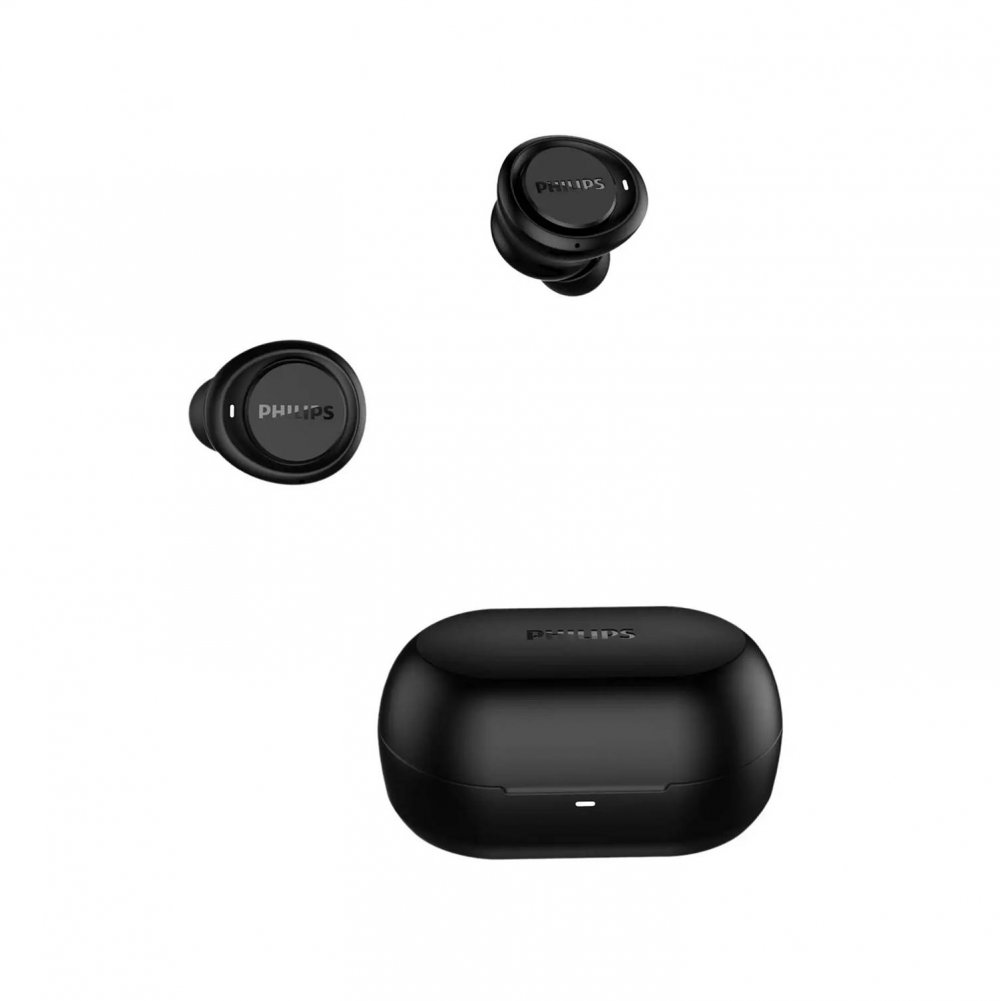
TAT1215BL/97 |
| Wired / Wireless | Wireless Headphone Specification |
Wireless Headphone Specification |
| Headphone Type | In Ear |
In Ear |
| Magnet Type | Dynamic |
Neodymium |
| Driver Diameter | 12.4 mm |
6 mm |
| Impedance | 32 Ohms |
16 ohm |
| Sensitivity | 46dB |
NA |
| Frequency Response | 20 Hz - 20KHz |
20 Hz - 20000 kHz |
| Maximum Power Input | DC 5V |
NA |
| Wireless / Bluetooth Details | ||
| Wireless Technology | Bluetooth |
Bluetooth |
| Bluetooth Version | 5.3 |
5.1 |
| Compatible Profiles | All Bluetooth Devices |
All Bluetooth Devices |
| Supported Codecs | SBC, AAC |
A2DP, AVRCP, Handsfree, HFP, HSP |
| Battery Type | Lithium-Ion Batteries |
Lithium- Ion Batteries |
| Bluetooth Range | 10 Meters |
10 Meters |
| Battery Life | 38 Hours |
6+12 Hours |
| Charging Time | 2 Hours |
1.5 Hours |
| Noise Cancelling | Hybrid Active Noise Cancelling |
NA |
| Available Colors | Black, White, Purple |
Black, White, Blue, Red |
| Connector Plating | NA |
NA |
| Cable | USB Type-C Cable |
Micro-USB Charging Cable |
| Weight | 42.47 GM |
91 gm |
| Other Features | Full Charge : The earbuds and charging case together take about 2 hours to fully charge. It is IPX4 rated for resistance against water and sweat to provide a carefree listening experience. Fast Charging : A 5-minute charge can provide up to 2 hours of music playback, and a 10-minute charge can give you up to 4 hours. Charging Indicator : There isn't a specific indicator to show the charging status of the earbuds themselves, but the charging case's indicator light will turn green when fully charged. The Redmi Buds 5 comes with Hybrid Active Noise Cancellation which means experience undisturbed audio with up to 46dB noise cancellation that blocks out 99.5% of background noise. |
Secure, comfortable fit. Snug, lightweight design. IPX4 splash- and sweat-resistant. Easily wake your phone's voice assistant. Earbud switches to control music and calls. Extremely convenient, super-small charging case. Small charging case for up to 18 hours play time. Built-in mic with echo cancellation for clear audio. 6 mm neodymium drivers. Clear sound, punchy bass. Smart pairing. Automatically find your Bluetooth device. |
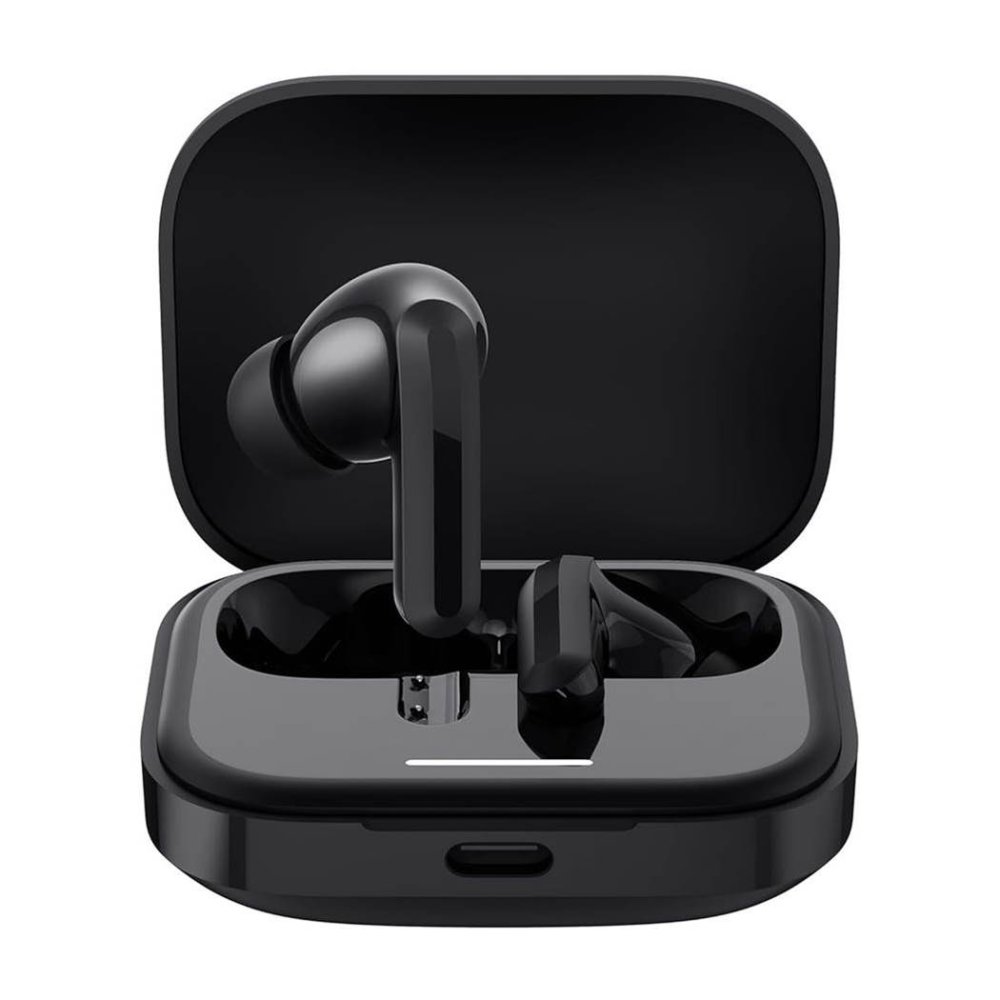
Compare Mi Redmi Buds 5 with:
Compare Philips TAT1215BL/97 with:
Top Differences
- Battery Life: 6+12 Hours vs 38 Hours
- Noise Cancelling: NA vs Hybrid Active Noise Cancelling
- Driver Size: 6 mm vs 12.4 mm
- Bluetooth: 5.1 vs 5.3
- Weight: 91 gm vs 42.47 GM