 ALERT
ALERT
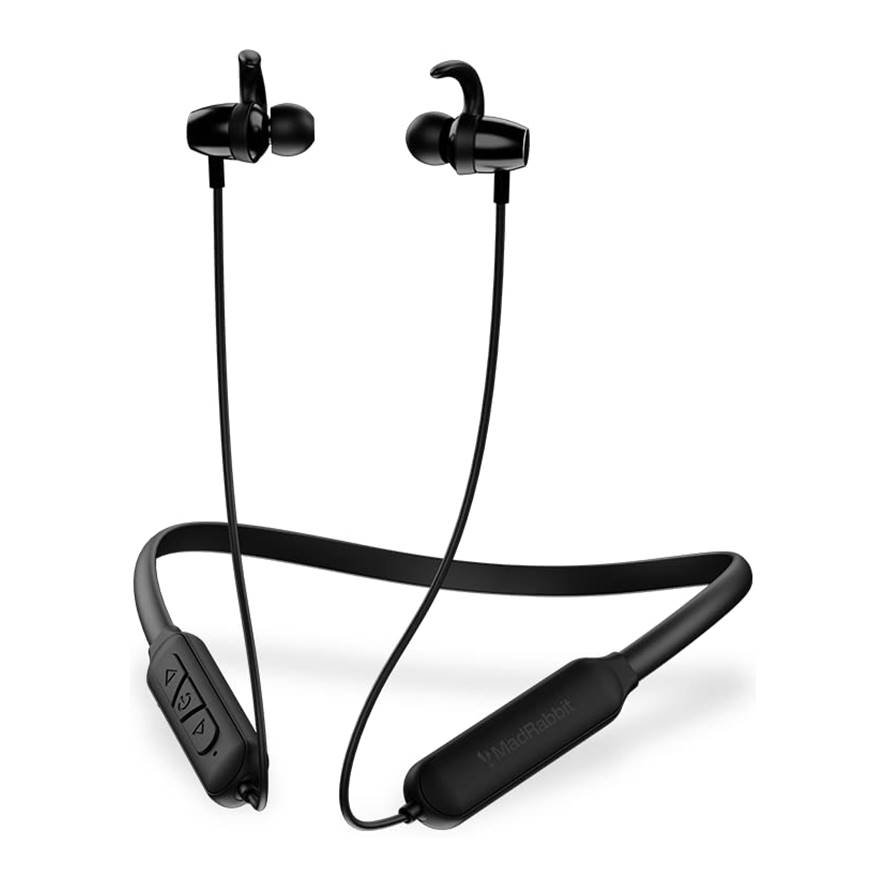
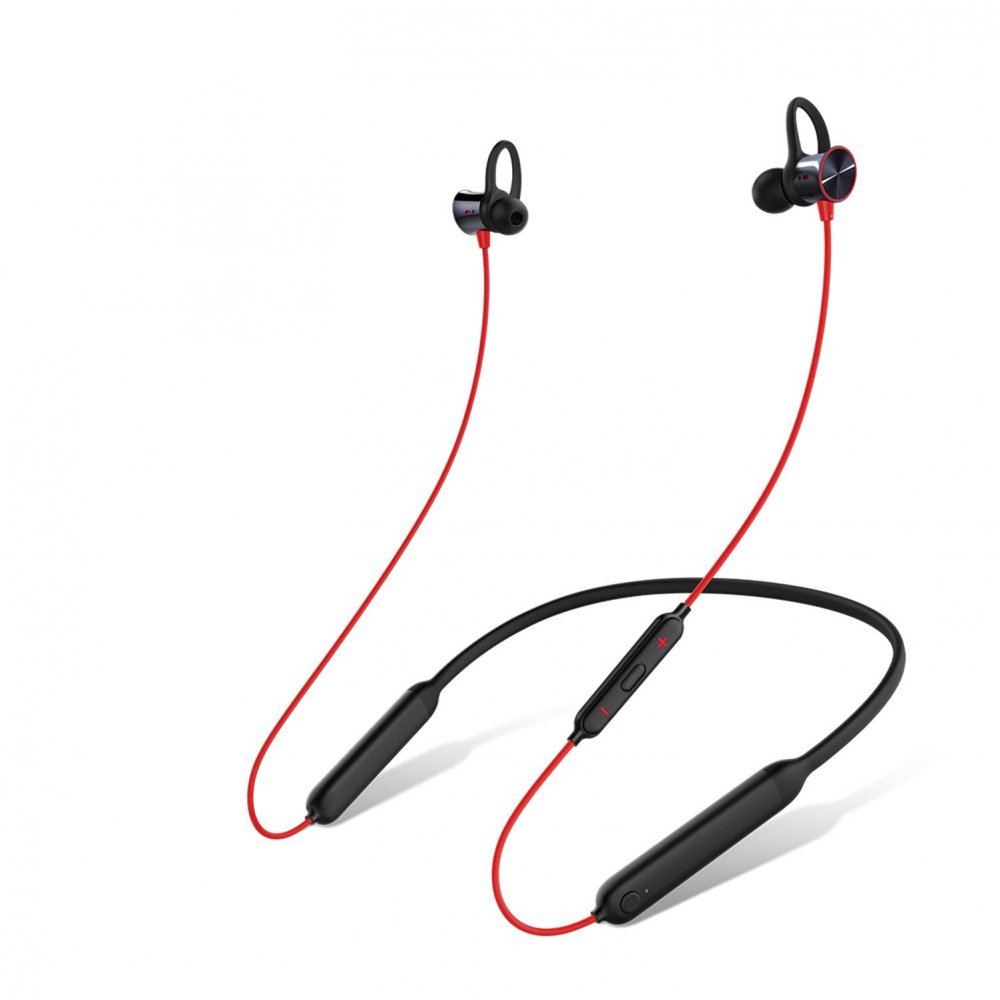
MadRabbit Trip Plus Wireless vs OnePlus BT32B
Advertisement
| Specification | ||
|---|---|---|
| Price | Rs.2,999.00 |
Rs.2,999.00 |
| Brand | MadRabbit |
OnePlus |
| Model No | Trip Plus Wireless |
BT32B |
| Wired / Wireless | Wireless Headphone Specification |
Wireless Headphone Specification |
| Headphone Type | Neckband |
Neckband |
| Magnet Type | Dynamic |
Dynamic |
| Driver Diameter | 10 mm |
NA |
| Impedance | 16 Ohms |
NA |
| Sensitivity | NA |
NA |
| Frequency Response | 20H - 20KHz |
20 Hz - 20000 Hz |
| Maximum Power Input | 5 V ~ 500mA |
5 V DC |
| Wireless / Bluetooth Details | ||
| Wireless Technology | Bluetooth |
Bluetooth |
| Bluetooth Version | 5.2 |
4.1 |
| Compatible Profiles | All Bluetooth Devices |
All Bluetooth Devices |
| Supported Codecs | AAC, SBC |
HFP / A2DP / HSP / AVRCP |
| Battery Type | Lithium-Ion Batteries |
NA |
| Bluetooth Range | 10 Meters |
10 Meters |
| Battery Life | 50 Hours |
8 Hours |
| Charging Time | 1 Hours |
1.5 Hours |
| Noise Cancelling | Active Noise Cancelling |
Digital |
| Available Colors | Black |
Black, Red |
| Connector Plating | NA |
NA |
| Cable | USB Type-C Charging Cable |
USB Charging Cable |
| Weight | 30 GM |
30 gm |
| Other Features | Warranty : 1- Year warranty is non-transferable and valid for 1 year from the original date of purchase. IPX5 Water Resistance : Use without any worries whether you are at the gym or outdoors with IPX5, sweat and water resistant. Batteries Saver : Trip Wireless Plus earphones are crafted to save battery and consume less power with advanced chipset. Standby time - 360H. Magnetic Hall Sensor : Save battery with easy magnetic on/off technology in Trip Plus. Simply attach the buds to power off and detach them to power on. Dual Pairing : Trip Wireless Plus has dual pairing technology, allowing you to connect two devices at a time and experience real-time audio with 10mm dynamic drivers. Vibration Call Alert : When you receive a call, Trip Wireless Plus will vibrate to alert you, even if your earphones are not plugged into your ears or in silent mode. Fast Charging : Low battery consuming Trip Wireless Plus is loaded with 300mAh battery that charges in an hour and provides uninterrupted up to 50 hours of playtime. 10minutes of charging gives up to 10 hours of playtime. Long-Lasting Comfortable Band : MadRabbit Trip Wireless Plus neckband is made of premium real silicon unibody design for long-lasting, drape it around your neck and feel nothing. An inline remote, conveniently placed, is equipped with a microphone to pick up real-time audio and change tracks without fiddling. |
Just 10 minutes of charge gives you up to 5 hours of sound Up To 8 Hours Of Playtime Attractive ergonomics with a Comfort Fit Google Assistant TM is a trademark of Google LLC Resistance Type- Splash Proof, Water Proof |
Advertisement
Compare MadRabbit Trip Plus Wireless with:
Compare OnePlus BT32B with:
Top Differences
- Battery Life: 8 Hours vs 50 Hours
- Noise Cancelling: Digital vs Active Noise Cancelling
- Driver Size: NA vs 10 mm
- Bluetooth: 4.1 vs 5.2
- Impedance: NA Vs 16 Ohms
Advertisement