| Model No |
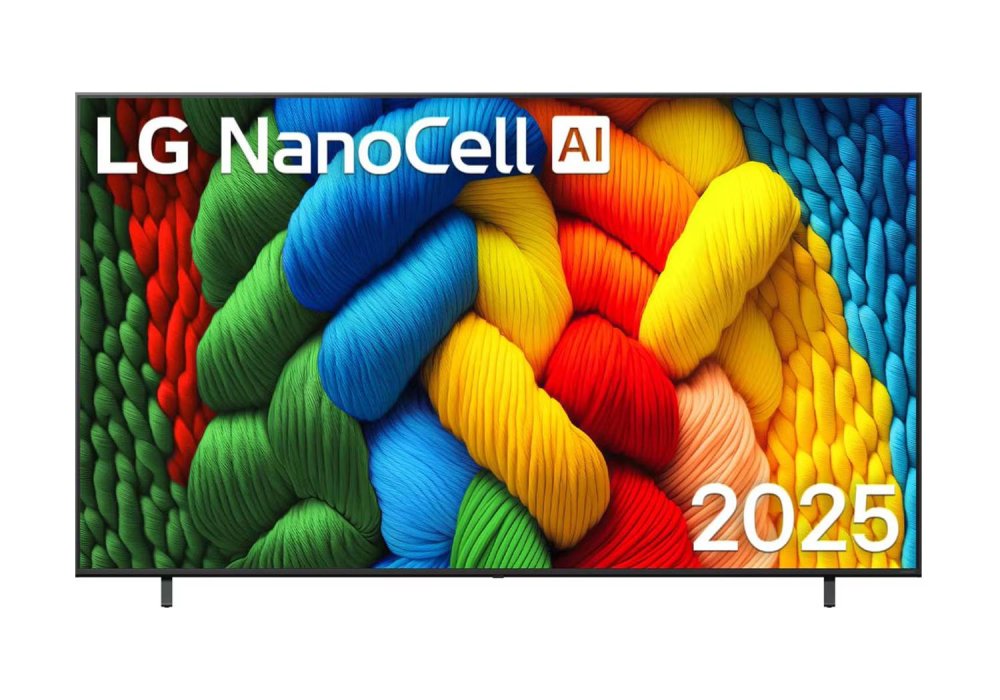
65NANO80AUA |
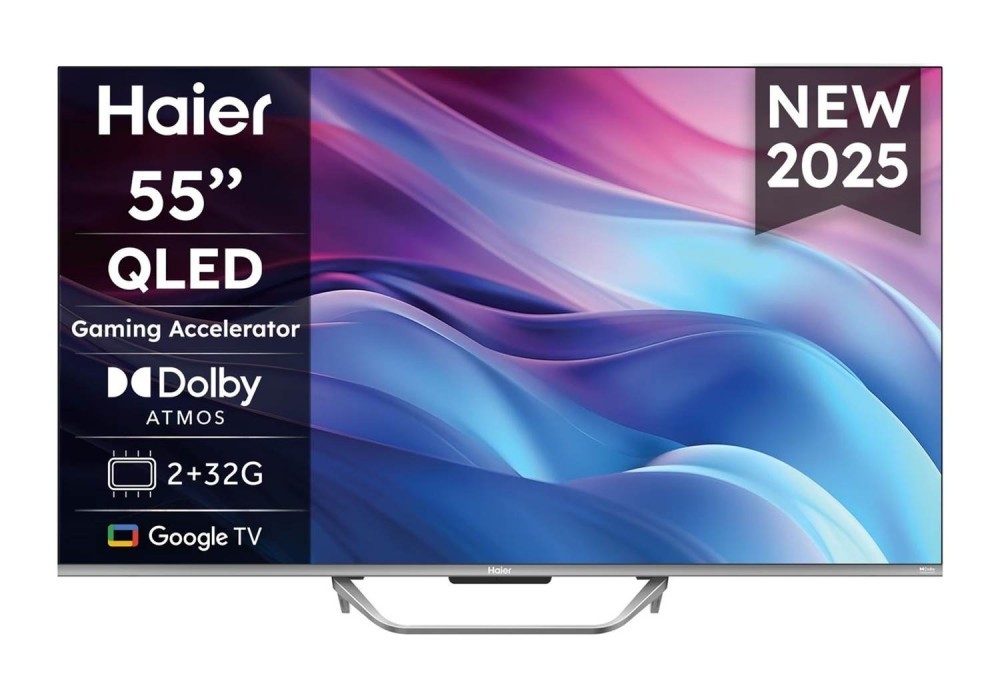
H65Q80FUX |
| TV Type |
Smart TV |
Smart TV |
| Screen Size |
65 Inch (164 cm) |
65 Inch (164 cm) |
| Resolution |
4K 3840 x 2160 |
4K 3840 x 2160 |
| Aspect Ratio |
16:9 |
16:9 |
| Motion Rate |
60 Hz |
60 Hz |
| Viewing Angle |
178°/178° |
178°/178° |
| USB |
| USB Version |
: 2.0 |
| Supported Audio Formats |
: MP3, AC4, AC3, EAC3, AAC, MP2, PCM, WMA |
| Supported Video Formats |
: MKV, DivX, MP4, AVI, ASF, MOV, FLV |
| Supported Picture Formats |
: JPEG, PNG, BMP, WebP, JPS, MPO |
|
| USB Version |
: 2.0 |
| Supported Audio Formats |
: AAC, M4A, MP2, MP3, WMA |
| Supported Video Formats |
: 3GP, ASF, AVI, DAT, FLV, MKV, MOV, MP4, MPEG, MPG, VOB |
| Supported Picture Formats |
: JPEG, GIF, PNG |
|
| Video |
| BackLight |
: 4K UHD Direct NanoCell LED |
| HLG |
: Yes |
| HDR10 |
: Yes |
| Auto Calibration |
: Yes |
| Filmmaker Mode |
: Yes |
| Dynamic Tone Mapping |
: Yes |
| Wide Color Gamut |
: Nano Color |
| Upscaling |
: 4K Super Upscaling |
| Picture Processor |
: α7 AI Processor 4K Gen8 |
| Picture Mode |
: 10 Modes ( Personalized Picture Wizard, Vivid, Standard, Eco, Cinema, Sports, Game, Filmmaker, ( ISF ) Expert ( Bright Room ), ( ISF ) Expert ( Dark Room )) |
|
| Backlight |
: 4K UHD QLED |
| HDR10 |
: Yes |
| MEMC |
: Yes |
| Dolby Vision |
: Yes |
| Wide Color Spectrum |
: Yes |
| Quantum Dot Technology |
: Yes |
| Multiple Image Modes |
: User |
| Color Range |
: QLED |
| Panel Type |
: D-LED |
|
| Audio |
| Audio Output ( RMS ) |
: 20 W |
| LG Sound Sync |
: Yes |
| WOW Orchestra |
: Yes |
| AI Acoustic Tuning |
: Yes |
| Sound Mode Share |
: Yes |
| Simultaneous Audio Output |
: Yes |
| Speaker Direction |
: Down Firing |
| Speaker System |
: 2.0 Channel |
| Bluetooth Surround Ready |
: Yes ( 2 Way Playback ) |
| Clear Voice Pro |
: Yes ( Auto Volume Leveling ) |
| AI Sound |
: α7 AI Sound Pro ( Virtual 9.1.2 Up-Mix ) |
| Audio Codec |
: AC4, AC3 ( Dolby Digital ), EAC3, HE-AAC, AAC, MP2, MP3, PCM, WMA, apt-X ( Refer To Manual ) |
|
| Audio Power Output ( RMS ) |
: 2 X 9.5 W + 2 X 15 W |
| DBX-TV |
: Yes |
| Dolby Atmos |
: Yes |
| Surround Sound ( Simulation ) |
: Yes |
| Multiple Audio Modes |
: User |
|
| Connectivity Options |
| HDMI ( 2.1 ) |
: 3ea ( Supports eARC, ALLM ) |
| USB ( 2.0 ) |
: 2ea |
| Ethernet / LAN |
: 1ea |
| RF Input ( Antenna, Cable ) |
: 1ea |
| Optical Digital Audio Out ( SPDIF ) |
: 1ea |
| Wi-Fi 5 |
: Yes |
| Bluetooth 5.1 |
: Yes |
| HDMI-CEC ( Simplink ) |
: Yes |
| HDMI Audio Return Channel |
: eARC ( HDMI 2 ) |
|
| HDMI ( 2.1 ) |
: 4 ( HDMI 2.1 ALLM VRR eARC Compliant ) |
| USB ( 2.0 ) |
: 2 |
| Bluetooth 5.1 |
: Yes |
| Chromecast Built-In |
: Yes |
| Tuner Input |
: 2 Yes |
| Ethernet / LAN |
: 1 Yes |
| Headphone Jack |
: 1 Yes |
| Composite Input |
: 1 Yes |
| Shared Audio Input |
: Shared With Composite Input |
| Wi-Fi |
: Wi-Fi 5, Dual-Band ( 2.4 GHz/5GHz ), 2T2R, 802.11 a/b/g/n/ac |
|
| Smart TV Features |
| Operating System |
: WebOS 25 Smart TV |
| Voice ID |
: Yes |
| AI Chatbot |
: Yes |
| Home Hub |
: Yes |
| Google Cast |
: Yes |
| Full Web Browser |
: Yes |
| Google Home, Hub |
: Yes |
| USB Camera Compatible |
: Yes |
| Works With Apple Home |
: Yes |
| Works With Apple Airplay |
: Yes |
| Intelligent Voice Recognition |
: Yes |
| Magic Remote Control Built-In |
: Yes |
| Smartphone Remote App |
: Yes ( LG ThinQ ) |
|
| Operating System |
: Google TV |
| RAM |
: 2 GB |
| ROM |
: 32 GB |
| Apps - Google Play Store |
: Yes |
| Applications - Google Assistant |
: Yes |
| HbbTV |
: Yes ( Function Only ) |
| Far-Field Voice Control |
: Long Distance Voice Control With Google Assistant |
|
| Other Features |
| Design |
: Ultra Slim Design |
| Gray Scale |
: Yes |
| Invert Colors |
: Yes |
| High Contrast |
: Yes |
| Analog TV Reception |
: Yes |
| Limited Warranty |
: 1 Year Parts & Labor |
| Digital TV Reception |
: ATSC1.0 ( Terrestrial ), QAM ( Cable ) |
|
| Design |
: Bezel-Less Design |
| Colour |
: Black |
| System |
: PAL+SECAM |
| DVD Turner |
: DVB-T+DVB-C+DVB-T2+DVB-S2 |
|
| General Details |
| Power Supply |
: AC 120V, 50/60Hz |
| Power Consumption Standby |
: Under 0.5 W |
| TV Weight Without Stand |
: 21.5 Kg |
| TV Weight With Stand |
: 21.7 Kg |
| Packaging Weight |
: 27.7 Kg |
| VESA Mounting |
: 300 mm X 300 mm |
|
| Power Supply ( Voltage, Hz ) |
: AC 100-240V 50/60Hz |
| Power Consumption |
: 170 W ~ 220 W |
| Power Consumption In HDR Mode |
: 130 W |
| Power Consumption In SDR Operating Mode |
: 100 W |
| Power Consumption Standby |
: ≤0.5 W |
| Energy Efficiency Class HDR |
: G |
| Energy Efficiency Class SDR |
: F |
| Energy Saving |
: Yes |
| Weight Without Stand |
: 16.8 Kg |
| Weight With Stand |
: 17.5 Kg |
| Package Weight |
: 24.3 Kg |
| Wall Mounting Standard |
: 400 mm X 300 mm |
|
| Supplied Accessories |
| Remote Control |
: Magic Remote Control MR25 |
| Power Cable |
: Yes ( Attached ) |
|
| Remote Control |
: Yes |
| User Manual |
: Yes |
| Quick Start Guide |
: Yes |
|
 ALERT
ALERT