 ALERT
ALERT
Advertisement
| Specification | ||
|---|---|---|
| Price | Rs.3,700.00 |
Rs.3,999.00 |
| Brand | Koss |
JBL |
| Model No | UR29 |
Quantum 200 |
| Wired / Wireless | Wired Headphone Specification |
Wired Headphone Specification |
| Headphone Type | Over Ear |
Over Ear |
| Magnet Type | Neodymium |
Dynamic |
| Driver Diameter | NA |
50 mm |
| Impedance | 100 Ohms |
32 ohm |
| Sensitivity | 101 dB/mW |
100 dBmW |
| Frequency Response | 18 Hz -20000 Hz |
20 Hz - 20000 Hz |
| Maximum Power Input | NA |
30 mW |
| Noise Cancelling | NA |
NA |
| Available Colors | Grey |
Black |
| Connector Plating | 3.5 mm Gold Plated Jack |
3.5 mm |
| Cable | 2.5 m |
NA |
| Weight | NA |
245 gm |
| Other Features | - Bass-enhanced, high quality sound - Enhanced rigidity minimizes mechanical distortion, yielding a full-frequency response - Enhanced rigidity minimizes mechanical distortion, yielding a full-frequency response - Ear cushions seal comfortably around ears, improving bass performance and blocking outside noise while preventing sound leakage - Ear cups collapse into a compact fit for easy storage and travel - Covered under the Koss Stereo phones Limited Lifetime Warranty |
JBL Quantum SOUND Signature, Gaming Technology Play even longer in memory foam comfort. Compatible with Windows Sonic Spatial Sound. Voice focus directional flip-up boom microphone. Be at the center of the game with JBL Quantum SOUND Signature. 1 Year Warranty Provided by the Manufacturer from Date of Purchase |
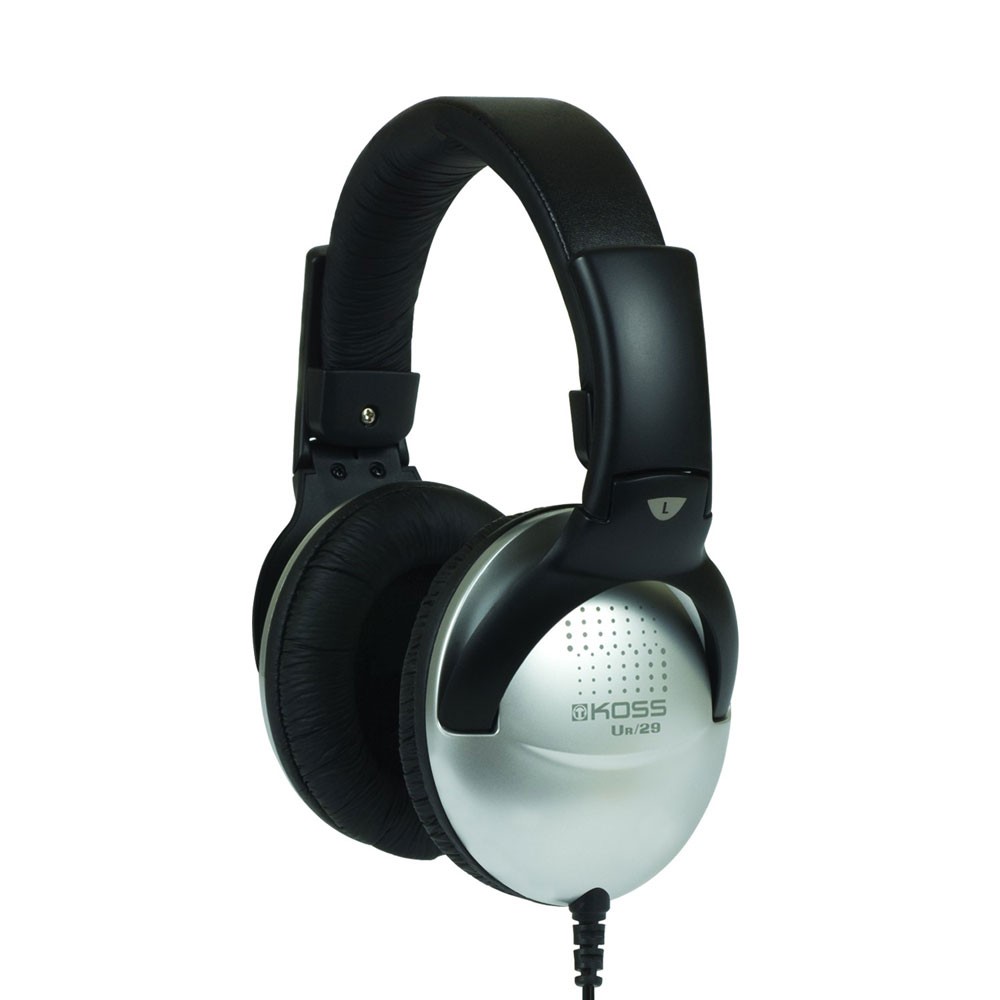
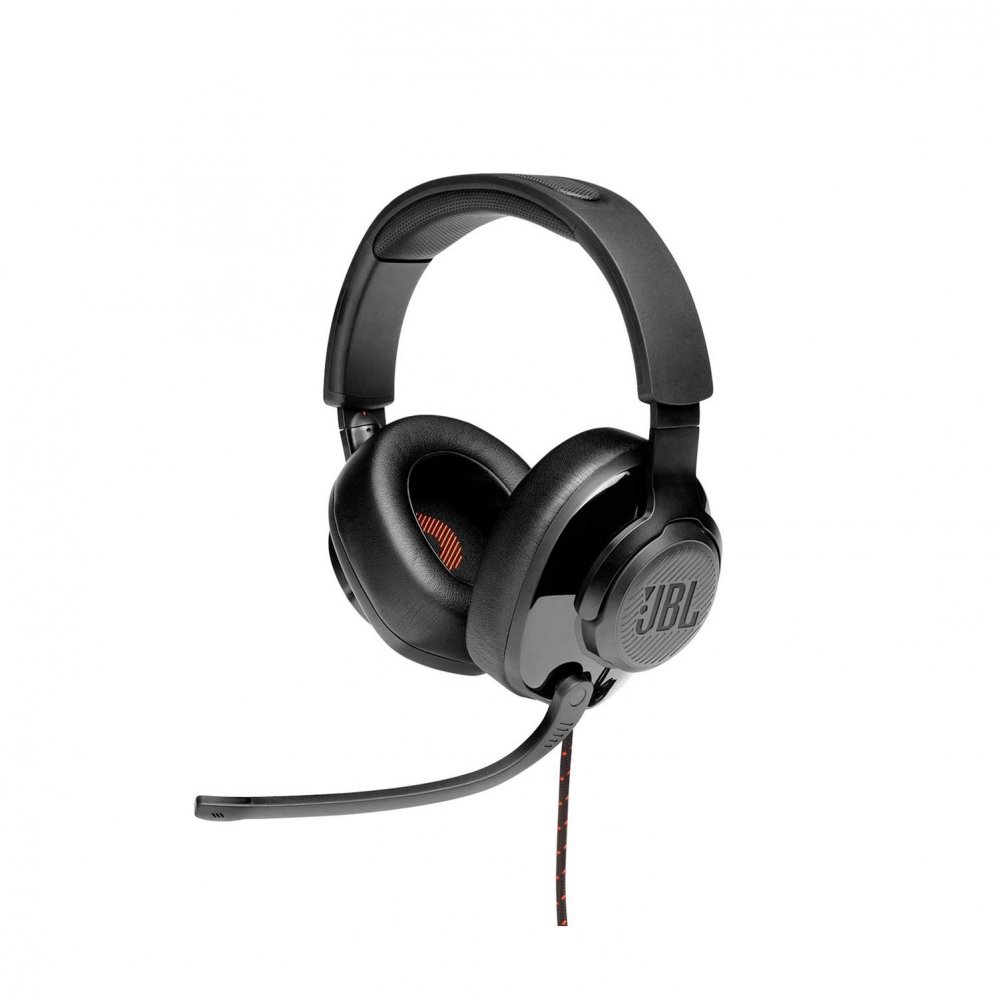
Advertisement
Compare Koss UR29 with:
Compare JBL Quantum 200 with:
Top Differences
- Driver Size: NA vs 50 mm
- Weight: NA vs 245 gm
- Impedance: 100 Ohms Vs 32 ohm
Advertisement