 ALERT
ALERT
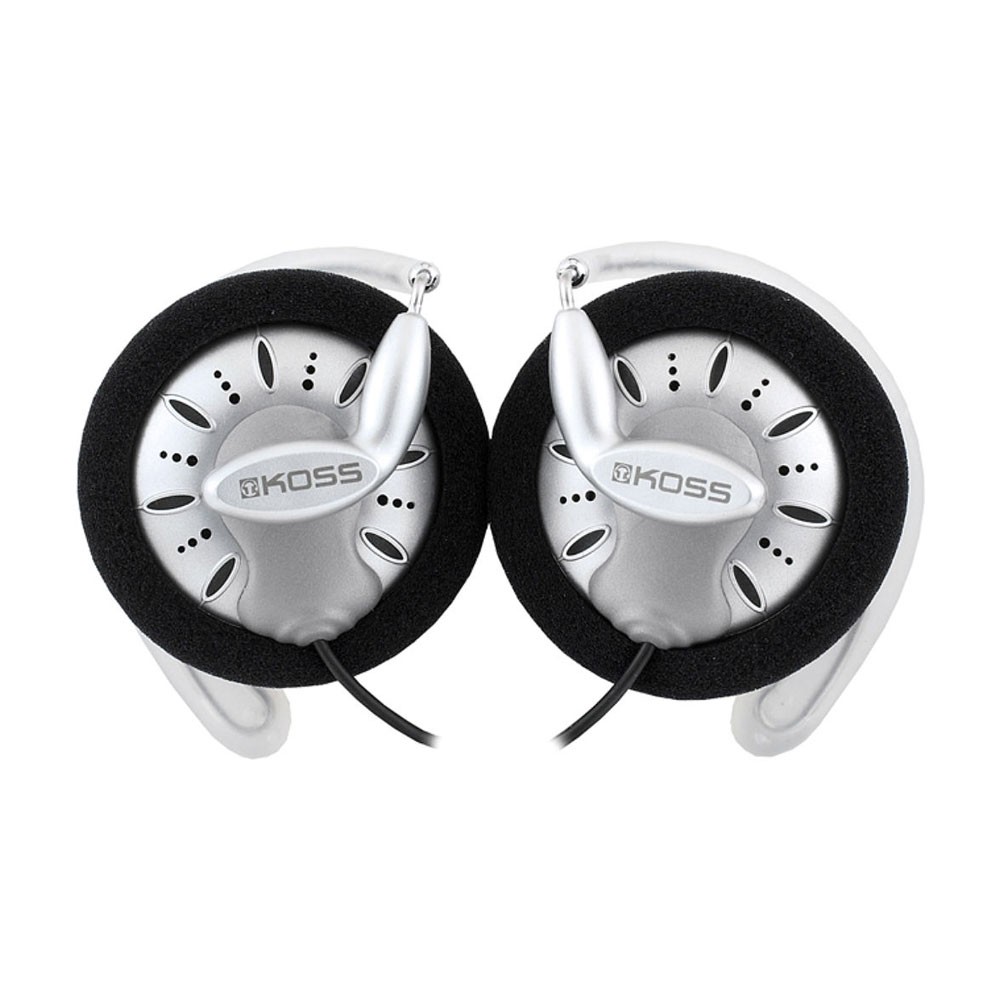
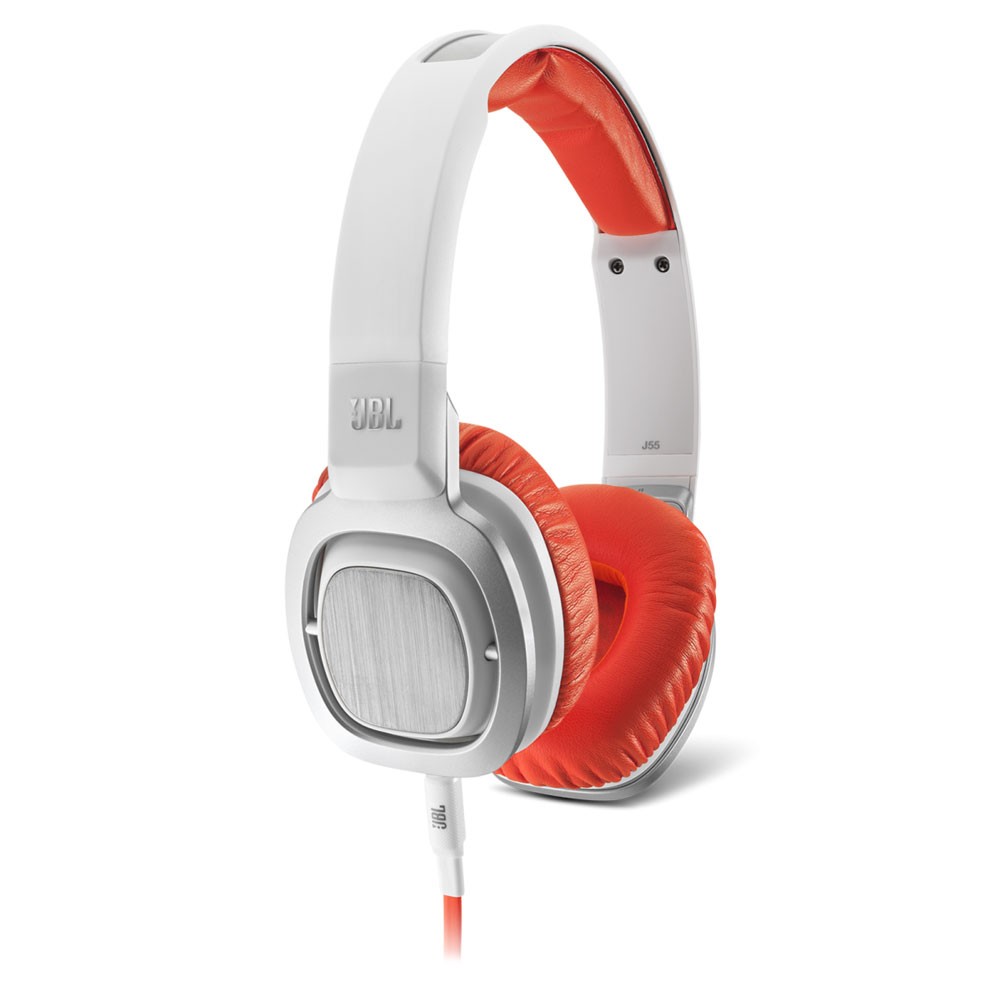
Koss KSC75 vs JBL J55
Advertisement
| Specification | ||
|---|---|---|
| Price | Rs.2,750.00 |
Rs.2,800.00 |
| Brand | Koss |
JBL |
| Model No | KSC75 |
J55 |
| Wired / Wireless | Wired Headphone Specification |
Wired Headphone Specification |
| Headphone Type | Ear Clip |
On Ear |
| Magnet Type | Neodymium |
Neodymium |
| Driver Diameter | NA |
40 mm |
| Impedance | 60 Ohms |
32 ohms |
| Sensitivity | 101 dB/mW |
NA |
| Frequency Response | 15 Hz - 25000 Hz |
10 - 24,000Hz |
| Maximum Power Input | NA |
NA |
| Noise Cancelling | NA |
No |
| Available Colors | Grey |
White |
| Connector Plating | 3.5 mm Gold Plated Jack |
3.5 mm Gold Plated Plug |
| Cable | 1.2 m |
1.3 m Detachable Cable |
| Weight | NA |
NA |
| Other Features | - High fidelity clip headphones - Exceptionally wide frequency response - Computer-optimized neodymium, iron, and boron rare-earth magnet structures deliver amazing clarity at any volume - Include a straight, dual entry, 4 foot cord with gold-flashed 3.5 mm (1/8") plug - Pivoting clips promise accommodating fit - Enjoy greater volume despite low-voltage portable devices - Covered under the Koss Stereophones Limited Lifetime Warranty |
- J55 ear-cups rotate up to 180 degrees - Single-side, detachable cable - A unique, twist-lock mechanism keeps the detachable cable secure when it’s connected - The gold-plated jack incorporates an extension ring that works with most custom smartphone covers and cases |
Advertisement
Compare Koss KSC75 with:
Compare JBL J55 with:
Top Differences
- Noise Cancelling: No vs NA
- Driver Size: 40 mm vs NA
- Impedance: 32 ohms Vs 60 Ohms
Advertisement