 ALERT
ALERT
| Specification | ||
|---|---|---|
| Price | Rs.650.00 |
Rs.1,299.00 |
| Brand | Koss |
JBL |
| Model No | KPH7 |
C100SI - Red |
| Wired / Wireless | Wired Headphone Specification |
Wired Headphone Specification |
| Headphone Type | On Ear |
In Ear Canal |
| Magnet Type | Neodymium |
Neodymium |
| Driver Diameter | NA |
9 mm |
| Impedance | 32 Ohms |
16±3.2 ohm |
| Sensitivity | 91 dB/mW |
100±3d |
| Frequency Response | 80 Hz - 18000 Hz |
20 Hz - 20,000 Hz |
| Maximum Power Input | NA |
5 mW |
| Noise Cancelling | NA |
NA |
| Available Colors | Black, White, Red, Green, Purple |
Red |
| Connector Plating | 3.5 mm Gold Plated Jack |
3.5 mm |
| Cable | 1.2 m |
Tangle- Free |
| Weight | NA |
50 gm |
| Other Features | - Lightweight design - Delivering incredible sound performance - Contemporary style head design |
JBL Signature Sound. Cable length 1.2 m. Noise Cancelling Microphone. 1 year manufacturer’s warranty. One-button universal remote with mic. Superior JBL sound, with bass you can feel. Quick Launch Access to Google Assistant, Siri. Lightweight and Comfortable with 3 sizes of ear tips. listening experience even for longer listening periods. Answer and manage your calls effortlessly, with the touch of a button. Works with Android and iOS devices. |
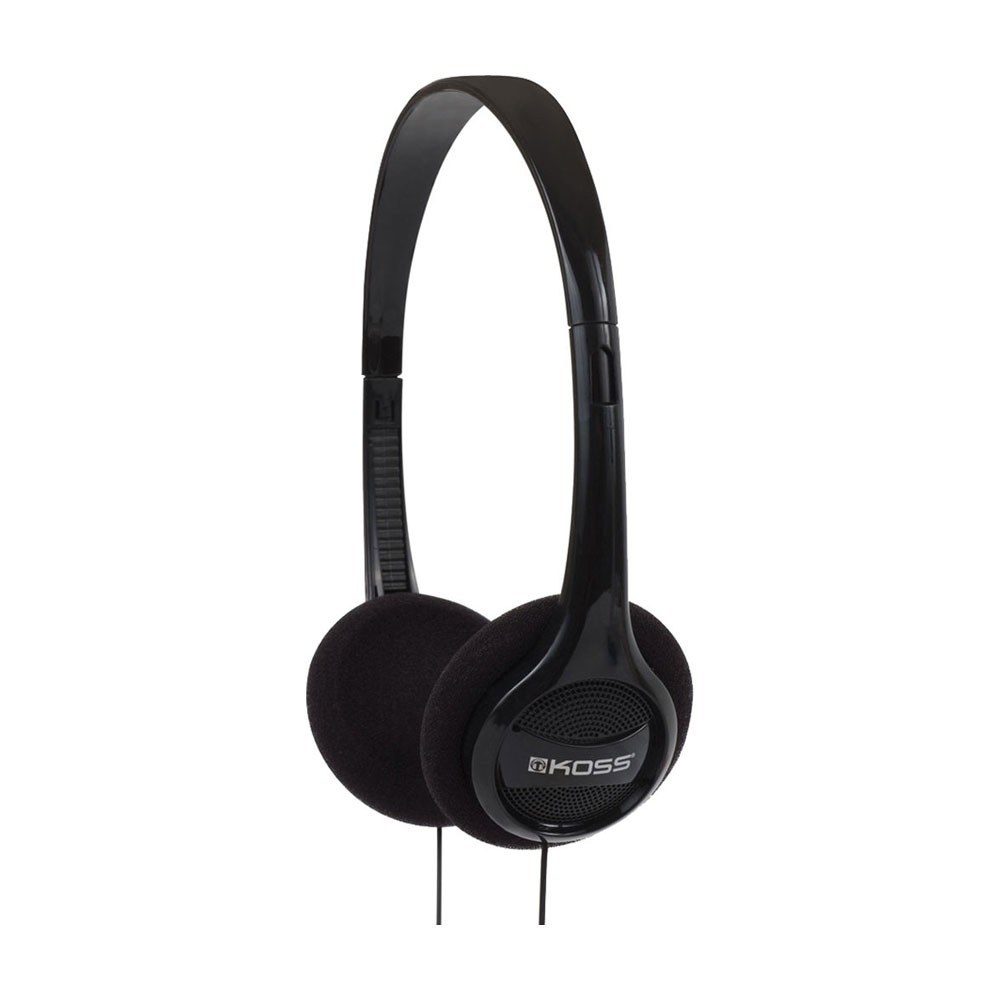
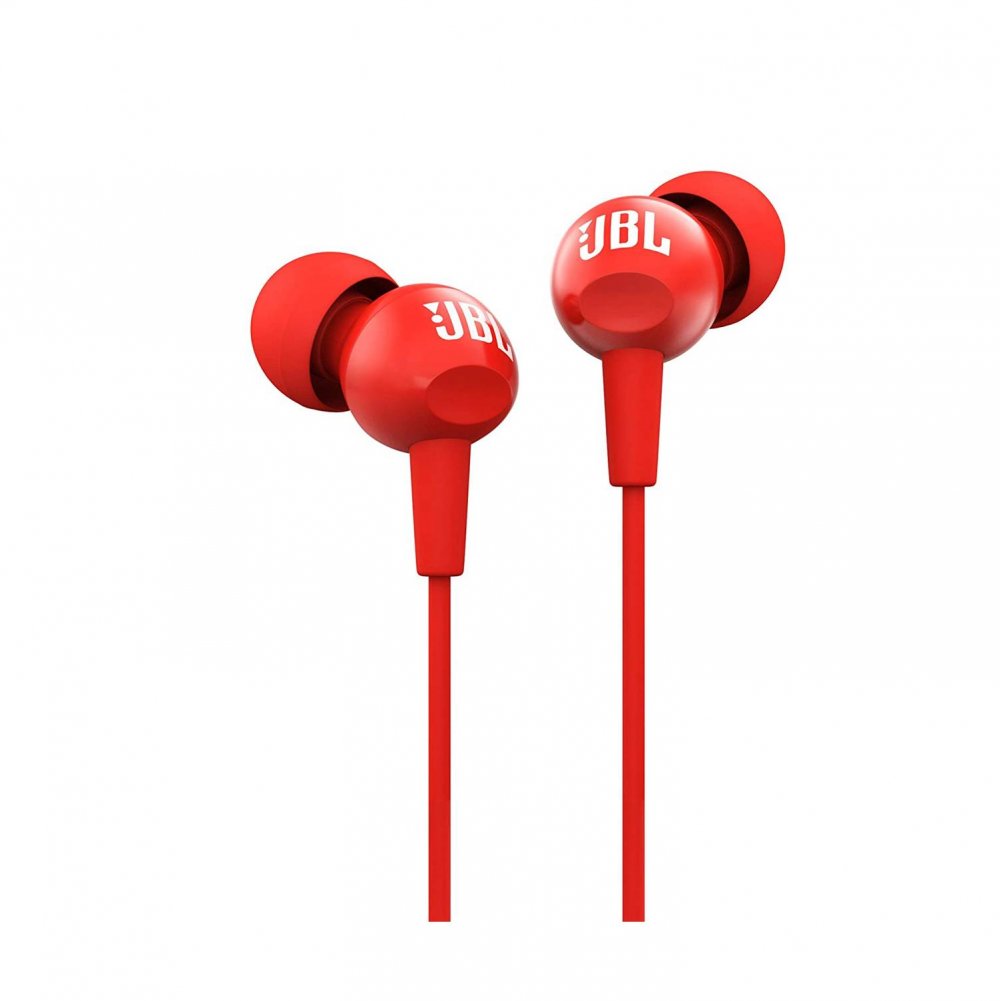
Compare Koss KPH7 with:
Compare JBL C100SI - Red with:
Top Differences
- Driver Size: NA vs 9 mm
- Weight: NA vs 50 gm
- Impedance: 32 Ohms Vs 16±3.2 ohm