 ALERT
ALERT
Klipsch R6 vs Sennheiser IE 4
Advertisement
| Specification | ||
|---|---|---|
| Price | Rs.6,990.00 |
Rs.6,999.00 |
| Brand | Klipsch |
Sennheiser |
| Model No | R6 |
IE 4 |
| Wired / Wireless | Earphone Specification |
Earphone Specification |
| Headphone Type | In Ear Canal |
In Ear Canal |
| Magnet Type | Neodymium |
Neodymium |
| Driver Diameter | 6.5 mm |
NA |
| Impedance | 18 Ohms |
32 Ohms |
| Sensitivity | 110 dB/mW |
118 dB/mW |
| Frequency Response | 10 Hz - 19000 Hz |
40 Hz - 20000 Hz |
| Maximum Power Input | NA |
NA |
| Noise Cancelling | NA |
NA |
| Available Colors | Black, White |
Black |
| Connector Plating | 3.5 mm Gold Plated Jack |
3.5 mm Gold Plated Jack |
| Cable | NA |
1.2 m |
| Weight | 13.2 g |
NA |
| Other Features | - Dual Magnet, Dynamic Moving Coil Micro Speaker - Flat Tangle-Resistant Cable - Patented Oval Ear Tips - Black And White Finishes |
- Universal fit due to exchangeable ear sleeves, available in three different sizes - Natural sound reproduction and dynamic - Extremely robust, even at high sound pressure levels - Outstanding bass response - Rugged cable |
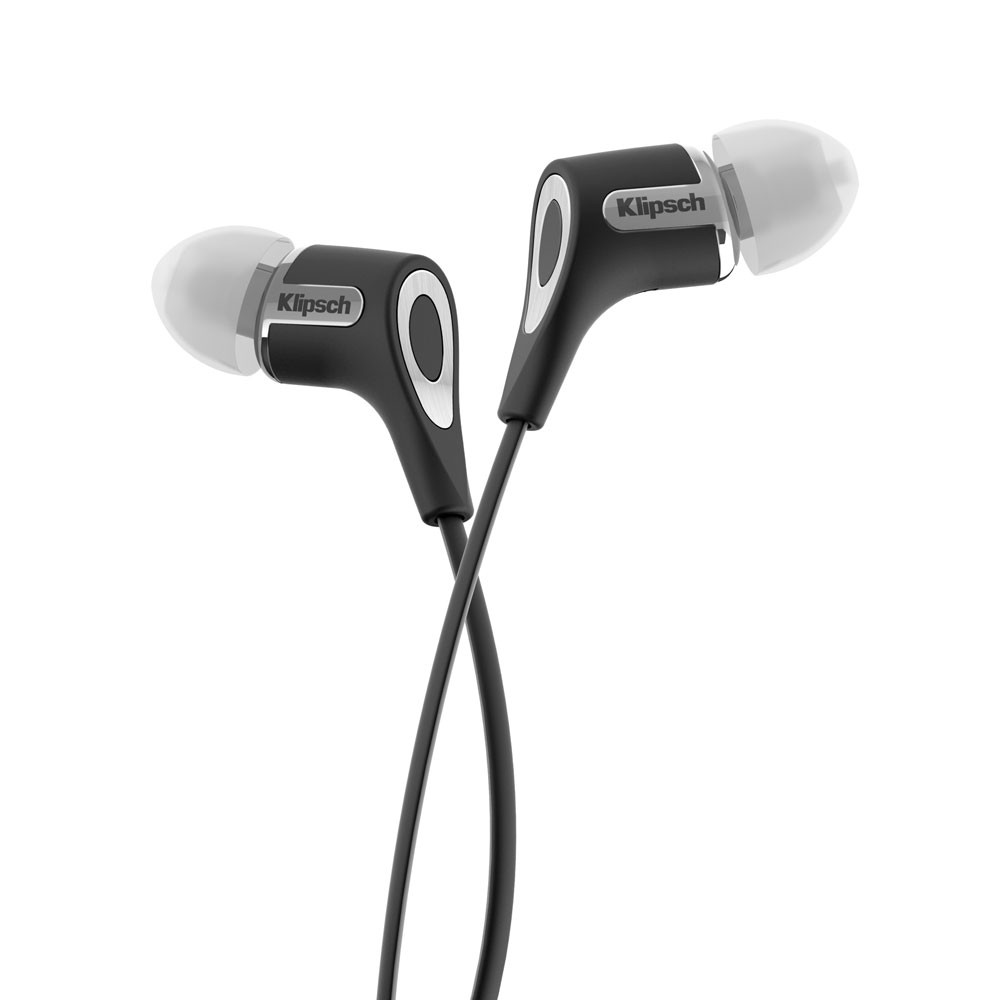
Advertisement
Compare Klipsch R6 with:
Compare Sennheiser IE 4 with:
Top Differences
- Driver Size: NA vs 6.5 mm
- Weight: NA vs 13.2 g
- Impedance: 32 Ohms Vs 18 Ohms
Advertisement