 ALERT

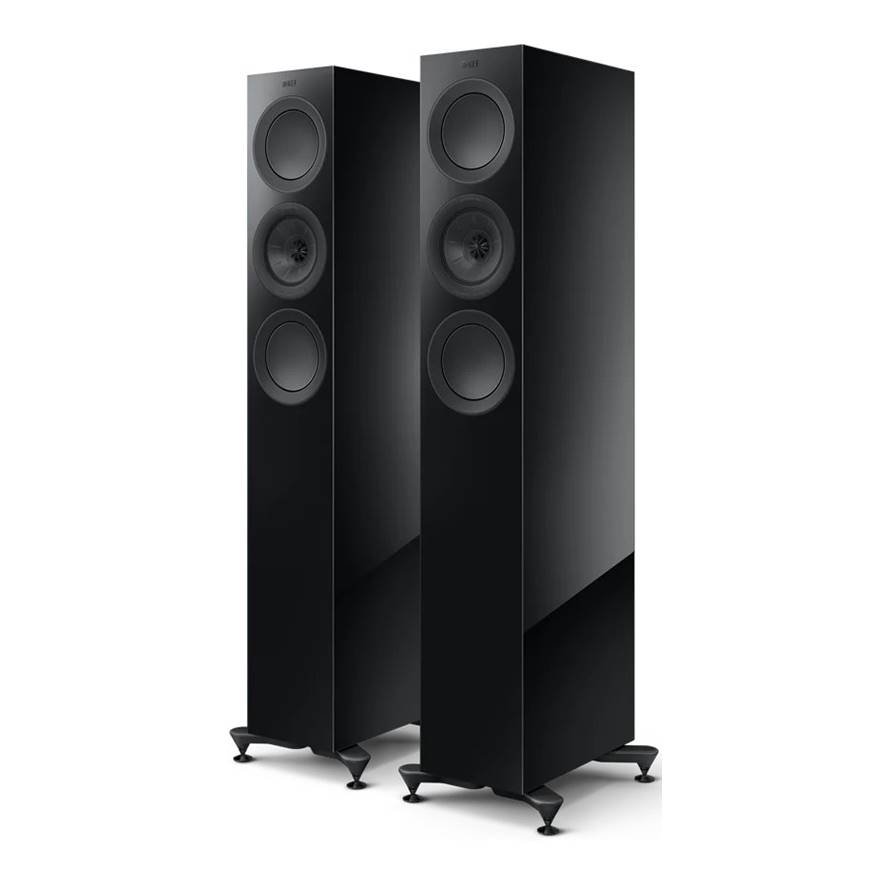
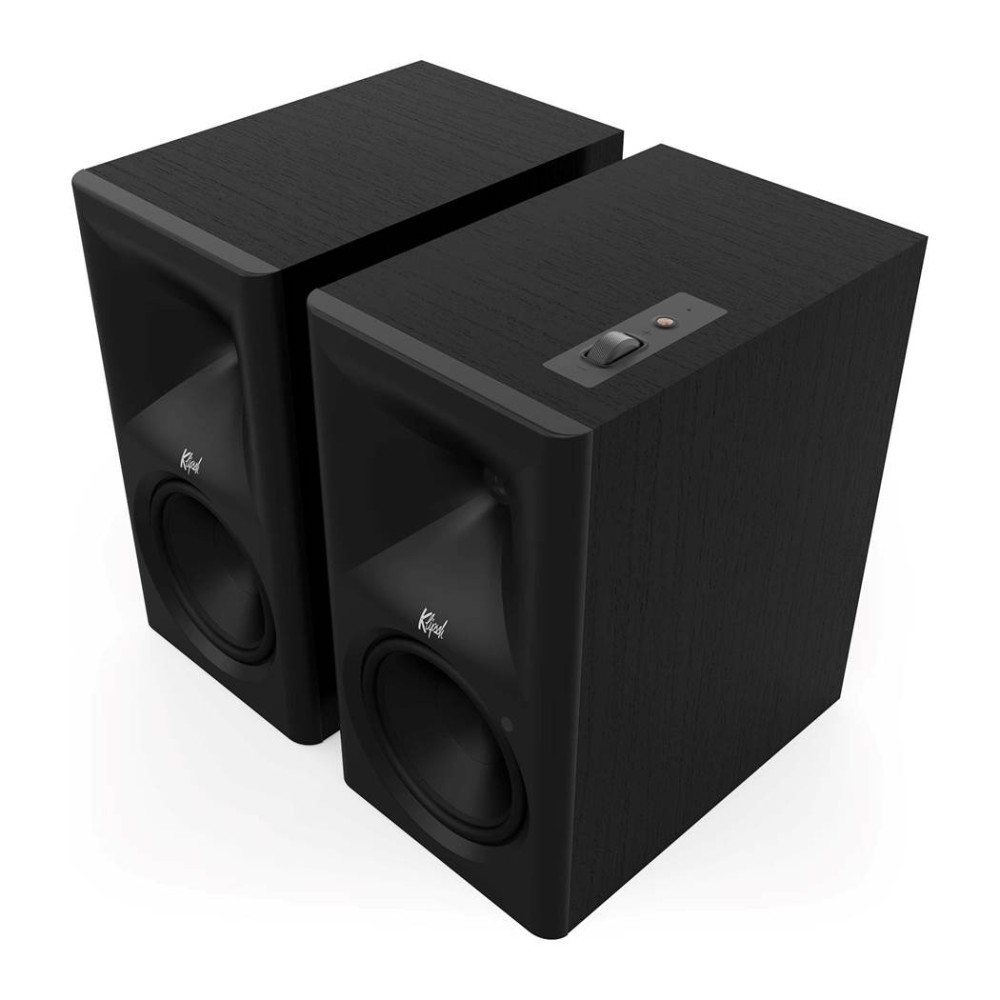
KEF R5 Meta vs Klipsch The Sevens II
Advertisement
| Specification | ||
|---|---|---|
| Price | 370544.00 |
313600.00 |
| Brand | KEF |
Klipsch |
| Model No | R5 Meta |
The Sevens II |
| Wired / Wireless | Home Theatre Speaker Specification |
Home Theatre Speaker Specification |
| Driver Type | Dynamic |
Dynamic |
| Driver Diameter | Uni-Q Driver Array MF : 125 mm Aluminum Cone HF : 25 mm Vented Aluminum Dome With MAT Bass Unit LF : 2 X 130 mm Hybrid Aluminum Cone |
Jet Cerametallic™ Woofer : 165.1 mm 25.4 mm Titanium LTS Vented Tweeter With Tractrix® Horn |
| Impedance | 4 Ohms ( Min. 3.2 Ohms ) |
NA |
| Sensitivity | 87 dB |
106 dB SPL |
| Frequency Response | Crossover Frequency : 400 Hz, 2.7 KHz Frequency Range ( -6dB ) : 38 Hz - 50 KHz Frequency Response ( ±3dB ) : 52 Hz - 28 KHz Typical In-Room Bass Response ( -6dB ) : 29 Hz Harmonic Distortion ( 90dB, 1m ) : <1% 75 Hz A Above, <0.5% 110 Hz - 20 KHz |
39Hz - 25KHz +/- 3dB |
| Maximum Power Input | NA |
AC 100V-240V 50/60Hz |
| Maximum Power Output | 15 - 200 W ( RMS ) Three-Way Bass Reflex |
Total System Power : 200 W RMS |
| Signal to Noise Ratio | 110 dB |
112 dB |
| Noise Cancelling | ||
| Aux Connectivity | No |
No |
| Weight | 24.5 Kg |
Primary : 10.73 Kg Secondary : 10.4 Kg |
| Dimensions | Speaker : 1025 mm X 175 mm X 344 mm Terminal With Plinth : 1072 mm X 272 mm X 344 mm |
381 mm X 206.38 mm X 317.5 mm |
| Available Colors | Black, White, Brown |
Black, Brown, Gold |
| Accessories | KEF R5 Meta Home Theatre Speaker Port Bungs Microfiber Grille Plinth & Spike Accessories User Manual & Warranty Information |
Klipsch The Sevens II Speaker Speaker Remote Control 2X AAA Batteries HDMI Cable 1.5m Calibration Microphone 4-Conductor Speaker Cable 4m Region-Specific Power Cord 2.0m |
| Other Features | Meta Material Absortion technology absorbs 99% of unwanted sound for the most pure and natural sound. R5 Meta boasts the 12th generation Uni-Q driver array with MAT and two 5.25†hybrid aluminium bass drivers. The slim and elegant R5 Meta is compact, but it is more than capable of delivering highly detailed sound and deep, clean bass. |
Wireless Hi-Res Stereo : The Sevens II now offer optional cable-free stereo playback. Connect them the old-school way for 96kHz of pure audio bliss, or skip the wires and enjoy 48kHz of robust, studio- and cinema-quality sound with nothing to hide. Dolby Atmos Sound : Dolby Atmos immersive audio formatting enhances your experience by placing sounds precisely around and above you, creating a realistic, immersive and multidimensional surround sound environment, even with two speakers. Built-In Streaming : Powered by Onkyo’s precise, high-performance technology, The Sevens II go beyond HDMI connectivity, letting you stream your favorite platforms, including Google Cast, Apple AirPlay 2, Spotify Connect, Tidal Connect, Qobuz Connect, and more. DIRAC Live : Standard License Included. Dirac Live room correction automatically creates the perfect soundscape for your space by tuning to your room. Dirac Live corrects anomalies in real time, utilizing advanced software to deliver the optimal acoustic experience. After a quick scan, The Sevens II deliver lifelike audio tailored to you with no manual equalization necessary. Your Setup.already Setup : This collaboration with Onkyo brings hundreds of years of expertise, innovation, and rigorous testing into The Sevens II Powered Speakers. At the heart of the system is a fully intact AVR architecture, enabling advanced content processing, precise decoding, and dynamic optimization for a true home theater experience. HDMI 2.1 : Delivering a simpler setup, better sound, and full next-gen compatibility by using a single cable to connect to your TV via eARC while passing through the highest-quality video and audio from connected devices. HDMI 2.1 supports uncompressed, high-resolution formats like Dolby Atmos, improves lip-sync accuracy, enables TV remote volume control, and allows gamers to enjoy 4K/120, VRR, ALLM, and HDR without sacrificing performance. |
Advertisement
Compare KEF R5 Meta with:
Compare Klipsch The Sevens II with:
Top Differences
- Sound Output: 15W vs 200W
- Channels: 15 vs 200
- Dolby Atmos: No vs Yes
- Bluetooth Version: NA vs 5.4
- Frequency Response: Crossover Frequency : 400 Hz, 2.7 KHz Frequency Range ( -6dB ) : 38 Hz - 50 KHz Frequency Response ( ±3dB ) : 52 Hz - 28 KHz Typical In-Room Bass Response ( -6dB ) : 29 Hz Harmonic Distortion ( 90dB, 1m ) : <1% 75 Hz A Above, <0.5% 110 Hz - 20 KHz vs 39Hz - 25KHz +/- 3dB
Advertisement