 ALERT
ALERT
Advertisement
| Specification | ||
|---|---|---|
| Price | 370544.00 |
300396.21 |
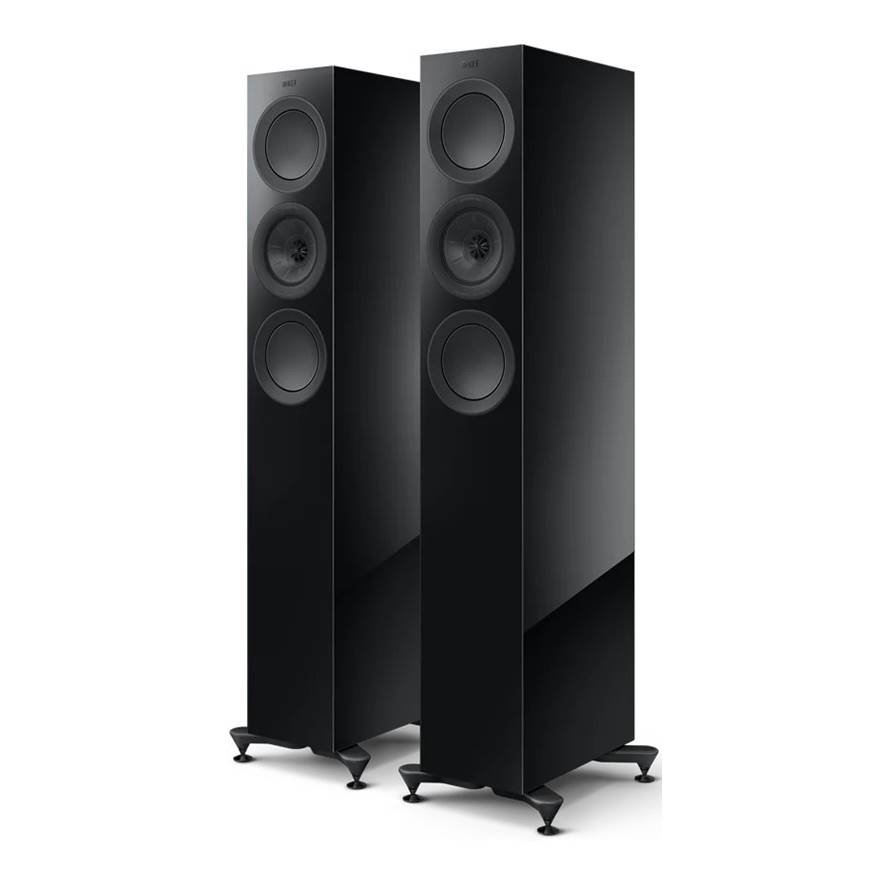
| Brand | KEF |
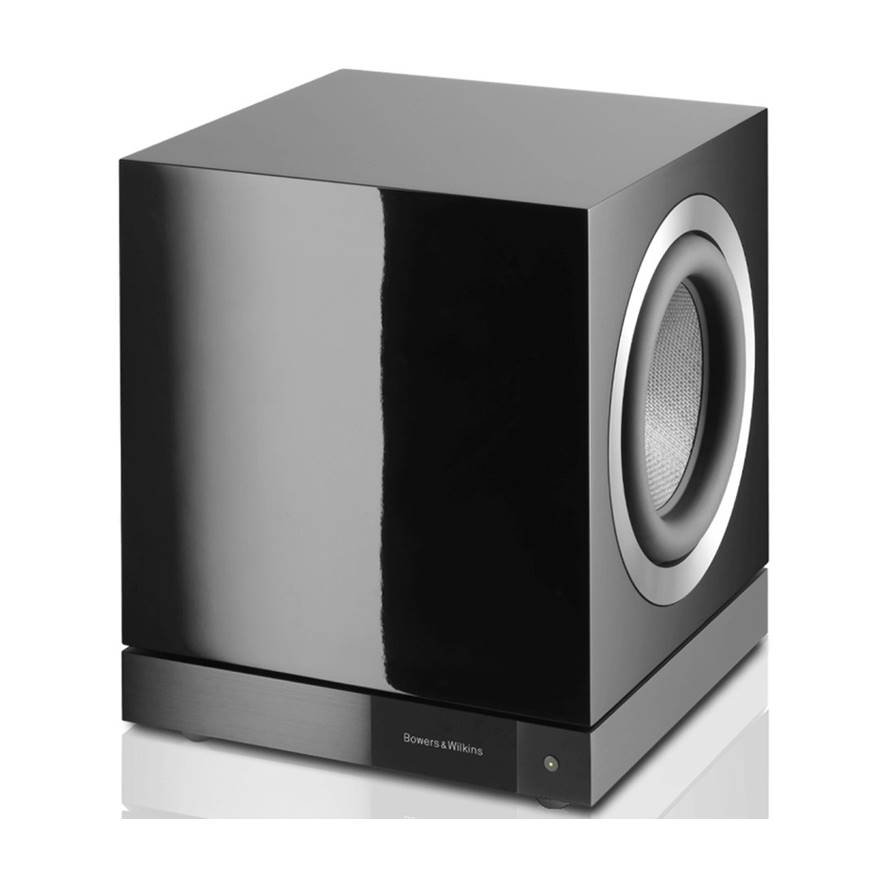
Bowers & Wilkins |
| Model No | R5 Meta |
DB3D |
| Wired / Wireless | Home Theatre Speaker Specification |
Home Theatre Speaker Specification |
| Driver Type | Dynamic |
Dynamic |
| Driver Diameter | Uni-Q Driver Array MF : 125 mm Aluminum Cone HF : 25 mm Vented Aluminum Dome With MAT Bass Unit LF : 2 X 130 mm Hybrid Aluminum Cone |
400 mm |
| Impedance | 4 Ohms ( Min. 3.2 Ohms ) |
NA |
| Sensitivity | 87 dB |
NA |
| Frequency Response | Crossover Frequency : 400 Hz, 2.7 KHz Frequency Range ( -6dB ) : 38 Hz - 50 KHz Frequency Response ( ±3dB ) : 52 Hz - 28 KHz Typical In-Room Bass Response ( -6dB ) : 29 Hz Harmonic Distortion ( 90dB, 1m ) : <1% 75 Hz A Above, <0.5% 110 Hz - 20 KHz |
8.5Hz - 500Hz, 10Hz - 350 Hz |
| Maximum Power Input | NA |
AC 100V-240 V / 50 Hz / 60 Hz |
| Maximum Power Output | 15 - 200 W ( RMS ) Three-Way Bass Reflex |
1000 W ( RMS ) |
| Signal to Noise Ratio | 110 dB |
NA |
| Noise Cancelling | Active |
|
| Aux Connectivity | No |
Yes |
| Weight | 24.5 Kg |
25 Kg |
| Dimensions | Speaker : 1025 mm X 175 mm X 344 mm Terminal With Plinth : 1072 mm X 272 mm X 344 mm |
360 mm X 320 mm X 300 mm |
| Available Colors | Black, White, Brown |
Black, White |
| Accessories | KEF R5 Meta Home Theatre Speaker Port Bungs Microfiber Grille Plinth & Spike Accessories User Manual & Warranty Information |
Bowers & Wilkins DB3D Subwoofer |
| Other Features | Meta Material Absortion technology absorbs 99% of unwanted sound for the most pure and natural sound. R5 Meta boasts the 12th generation Uni-Q driver array with MAT and two 5.25†hybrid aluminium bass drivers. The slim and elegant R5 Meta is compact, but it is more than capable of delivering highly detailed sound and deep, clean bass. |
DB Series Subwoofer. Solid, dramatic bass is delivered through the rigidity and lightness of the uniquely-shaped, variable thickness Aerofoil™ cone. DB3D’s ultra-rigid low-resonance enclosure comes in three finishes to match 800 Series Diamond and 700 Series loudspeakers. Digital amplification is cool-running and energy efficient, even when working hard, while Dynamic EQ and Room EQ ensure a precise sound for music and movies. By placing control in the palm of your hand, our subwoofer app not only makes our DB Series subwoofers a snap to set up, it also helps maximize your sound quality. Technical Features - 2 X 200mm (8 in) Aerofoil™ Cone Drive Units In A Balanced Configuration, Digital Preamplifier With Dynamic EQ, App-Based Set-Up & BT-LE Control. Despite its compact dimensions, DB3D delivers astonishingly powerful, controlled bass thanks to its twin 8-in Aerofoil™ drivers, amplifier and digital signal processing. |
Advertisement
Compare KEF R5 Meta with:
Compare Bowers & Wilkins DB3D with:
Top Differences
- Sound Output: 1000W vs 15W
- Channels: 1000 vs 15
- Bluetooth: na vs no
- Frequency Response: 8.5Hz - 500Hz, 10Hz - 350 Hz vs Crossover Frequency : 400 Hz, 2.7 KHz Frequency Range ( -6dB ) : 38 Hz - 50 KHz Frequency Response ( ±3dB ) : 52 Hz - 28 KHz Typical In-Room Bass Response ( -6dB ) : 29 Hz Harmonic Distortion ( 90dB, 1m ) : <1% 75 Hz A Above, <0.5% 110 Hz - 20 KHz
- Subwoofer Size: 400 mm vs 125 mm
Advertisement