 ALERT
ALERT
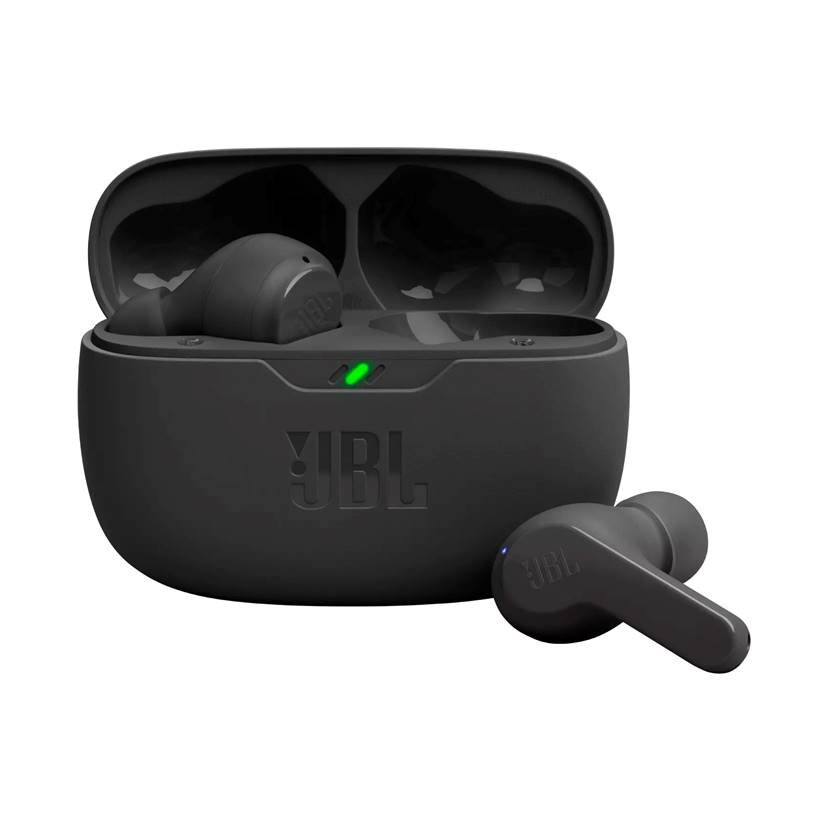
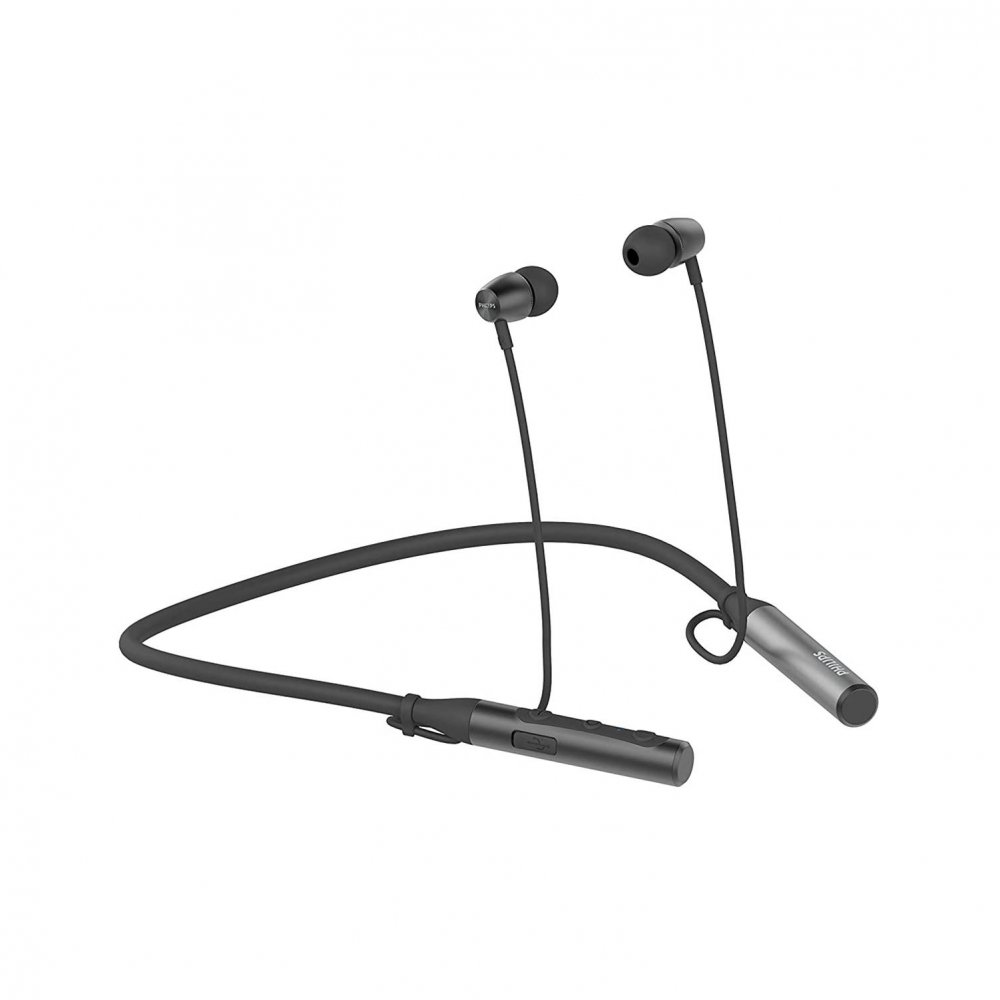
JBL Wave Beam vs Philips TAN2215BK/94
Advertisement
| Specification | ||
|---|---|---|
| Price | Rs.3,999.00 |
Rs.3,999.00 |
| Brand | JBL |
Philips |
| Model No | Wave Beam |
TAN2215BK/94 |
| Wired / Wireless | Wireless Headphone Specification |
Wireless Headphone Specification |
| Headphone Type | In Ear |
Neckband |
| Magnet Type | Dynamic |
Neodymium |
| Driver Diameter | 8 mm |
9 mm |
| Impedance | 16 Ohm |
16 ohm±15% |
| Sensitivity | 100 dB SPL |
108±3 dB |
| Frequency Response | 20 Hz - 20000 Hz |
20 Hz - 20000 kHz |
| Maximum Power Input | 5 V / 1A |
NA |
| Wireless / Bluetooth Details | ||
| Wireless Technology | Bluetooth |
Bluetooth |
| Bluetooth Version | 5.2 |
5.0 |
| Compatible Profiles | All Bluetooth Devices |
All Bluetooth Devices |
| Supported Codecs | A2DP, AVRCP, HFP |
A2DP, AVRCP, HSP, HFP, SBC |
| Battery Type | Lithium-ion Polymer Batteries |
Lithium-Ion Batteries |
| Bluetooth Range | 10 Meters |
10 Meters |
| Battery Life | 32 Hours |
11 Hours |
| Charging Time | <2 Hours |
1.5 Hours |
| Noise Cancelling | Sound Isolation |
Passive |
| Available Colors | Black, White, Blue, Gold |
Black |
| Connector Plating | NA |
NA |
| Cable | USB Type-C Charging Cable |
USB Charging Cable |
| Weight | 58 Gm |
24 gm |
| Other Features | Stay aware of your surrounding. JBL Headphones App compatible. Hands-free calls with Voice Aware. Speed charge an extra two hours in just 10 minutes. Up to 32 ( 8h + 24h ) total hours of battery life with speed charging. Get the most from your mixes with high-quality audio from secure, reliable earbuds with 8mm drivers featuring JBL Deep Bass Sound. From the beach to the bike trail, the IP54-certified earbuds and IPX2 charging case are water and dust resistant for all-day experiences. |
Wireless control for music enjoyment and calls. Soft rubberized neckband for comfort and stability. Powerful 9mm drivers deliver a deep, dynamic bass. Passive noise isolation for better sound at lower volume. Choose from 3 pairs of ear caps for the perfect fit for you. Premium metal housing offers accurate sound transmission. This IPX4-rated splash-proof neckband with 11 hours of play time is your perfect companion. Magnetic eartips keep them in place when not in use, and the slender, flexible and lightweight neckband ensures durability and comfort. |
Advertisement
Compare JBL Wave Beam with:
Compare Philips TAN2215BK/94 with:
Top Differences
- Battery Life: 11 Hours vs 32 Hours
- Noise Cancelling: Passive vs Sound Isolation
- Driver Size: 9 mm vs 8 mm
- Bluetooth: 5.0 vs 5.2
- Weight: 24 gm vs 58 Gm
Advertisement