 ALERT
ALERT
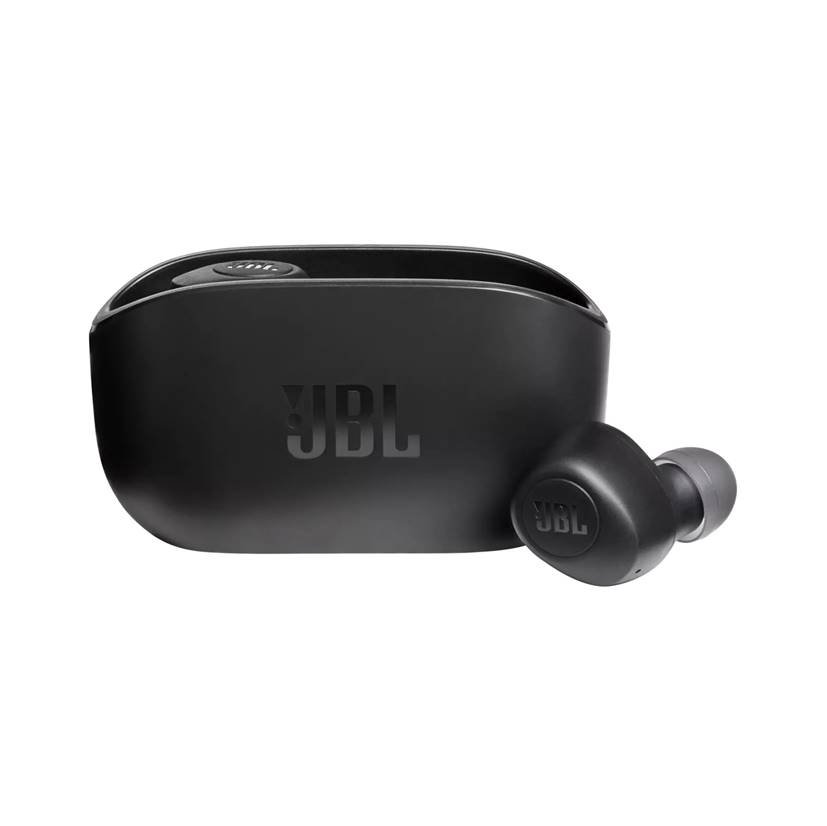
JBL Wave 100TWS vs Philips TAT1207BK
Advertisement
| Specification | ||
|---|---|---|
| Price | Rs.2,499.00 |
Rs.2,499.00 |
| Brand | JBL |
Philips |
| Model No | Wave 100TWS |
TAT1207BK |
| Wired / Wireless | Wireless Headphone Specification |
Wireless Headphone Specification |
| Headphone Type | In Ear |
In Ear |
| Magnet Type | Dynamic |
Dynamic |
| Driver Diameter | 8 mm |
6 mm |
| Impedance | 16 Ohm |
16 Ohms |
| Sensitivity | 105.5dBSPL |
97dB@1KHz |
| Frequency Response | 20 Hz - 20000 Hz |
20Hz - 20KHz |
| Maximum Power Input | 5 V / 1A |
3 mW |
| Wireless / Bluetooth Details | ||
| Wireless Technology | Bluetooth |
Bluetooth |
| Bluetooth Version | 5.0 |
5.2 |
| Compatible Profiles | All Bluetooth Devices |
All Bluetooth Devices |
| Supported Codecs | A2DP, AVRCP, HFP |
SBC |
| Battery Type | Lithium-ion Batteries |
Lithium-Polymer Batteries |
| Bluetooth Range | 10 Meters |
10 Meters |
| Battery Life | 5 / 20 Hours |
6 + 12 Hours |
| Charging Time | 2 Hours |
2 Hours |
| Noise Cancelling | Sound Isolation |
Sound Isolation |
| Available Colors | Black, Blue, Grey |
Black, White, Blue, Yellow |
| Connector Plating | NA |
NA |
| Cable | USB Type-C Charging Cable |
USB Type-C Charging Cable |
| Weight | 46.3 Gm |
34 GM |
| Other Features | The stylish JBL Wave 100TWS is compact and lightweight and easily gets fit in your pocket. Take your buds where you go. Calls and sound are easily managed from the earbuds, as is the access to your device’s voice assistant in JBL Wave 100TWS. Have a concert of your own with JBL Wave 100 TWS powered by 8mm drivers that produce extraordinary deep bass sound. Enjoy Two different Sound Modes to suit your mood. Activate the dual sound modes by 3 quick short press and a long press on either earbud. Everyday is musical with 20 Hours of combined playtime which has 5 hours in the earbuds and 15 hours in the case under optimum audio settings. The JBL Wave 100TWS fit gently in your ears even after hours of listening pleasure. The ear tips in 3 sizes ensure a perfect seal for extra comfort and sound clarity. |
AT YOUR FINGERTIPS : Integrated controls on the earbuds make it easy to control your listening. Skip or pause tracks, take or reject calls and more. WORKS WITH VOICE ASSISTANTS : Busy with your hands? Ask your smartphone's voice assistant to get directions, play music, check for weather updates and more. INSTANT PAIRING : These headphones are ready to pair the instant you take them out of their charging case. Once paired, they remember the last device they were paired with. INSPIRING MUSIC ON-THE-GO : These tiny yet powerful true wireless earbuds are exactly what you need for your morning commute. They fit easily into the pocket of your slim-fit jeans, so you’re always ready to go. JUST KEEP FLOWING : Rigorously tested to meet an IPX4 rating, these headphones will let you enjoy great audio quality wherever you are. Hit the beach, or the gym. Don't let a little rain and sweat spoil your fun. GREAT SOUND, SECURE FIT : You get great sound from the 6mm neodymium drivers and you can rock your tunes in real comfort thanks to the snug, lightweight design. Soft, interchangeable ear-tip covers help you find a comfortable in-ear fit. BOOST YOUR DAY : Experience uninterrupted playtime with T1207’s 6-hour battery life that can be extended up to 18 hours with the super compact charging case. A 15-minute boost gives you an extra hour, and you can double your talk time by using one earbud while the other one charges. |

Advertisement
Compare JBL Wave 100TWS with:
Compare Philips TAT1207BK with:
Top Differences
- Battery Life: 5 / 20 Hours vs 6 + 12 Hours
- Driver Size: 8 mm vs 6 mm
- Bluetooth: 5.0 vs 5.2
- Weight: 46.3 Gm vs 34 GM
- Impedance: 16 Ohm Vs 16 Ohms
Advertisement