 ALERT
ALERT
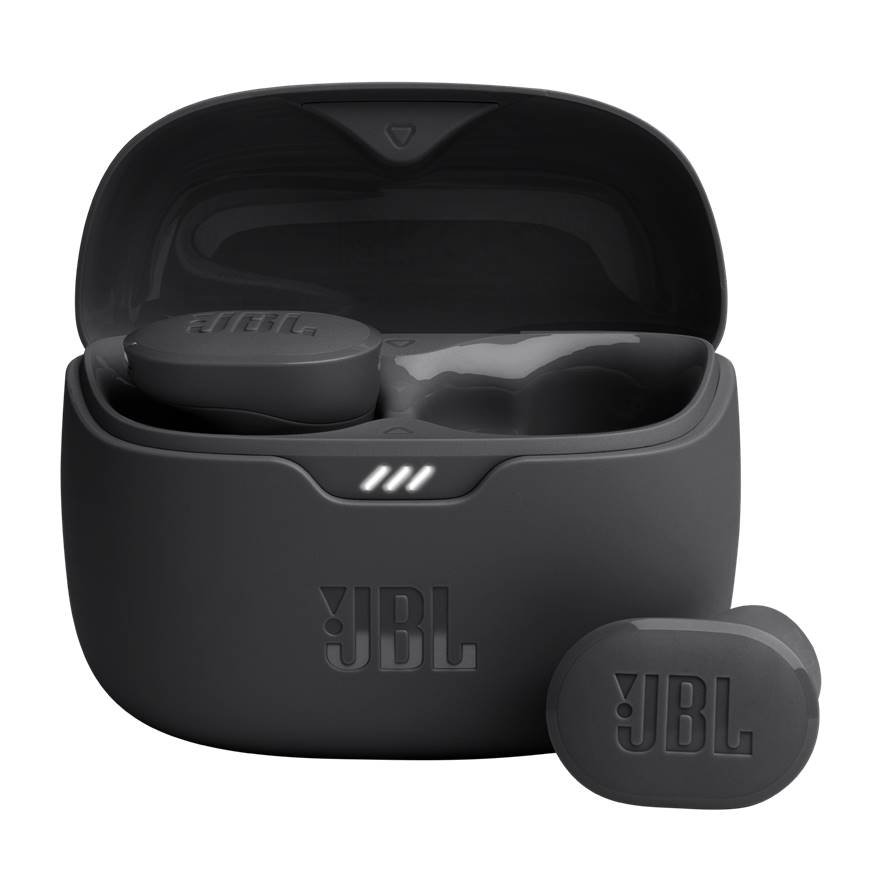
JBL Tune Buds vs Skullcandy Sesh Evo
Advertisement
| Specification | ||
|---|---|---|
| Price | Rs.7,999.00 |
Rs.7,999.00 |
| Brand | JBL |
Skullcandy |
| Model No | Tune Buds |
Sesh Evo |
| Wired / Wireless | Wireless Headphone Specification |
Wireless Headphone Specification |
| Headphone Type | In Ear |
In Ear |
| Magnet Type | Dynamic |
Dynamic |
| Driver Diameter | 10 mm |
6 mm |
| Impedance | 32 Ohms |
32 Ohm |
| Sensitivity | 101dB SPL@1 kHz |
99-105dB |
| Frequency Response | 20 Hz - 20KHz |
20 Hz - 20000 Hz |
| Maximum Power Input | 5V 1A |
NA |
| Wireless / Bluetooth Details | ||
| Wireless Technology | Bluetooth |
Bluetooth |
| Bluetooth Version | 5.3 |
5.0 |
| Compatible Profiles | All Bluetooth Devices |
All Bluetooth Devices |
| Supported Codecs | AAC, SBC |
HSP, HFP, AVRCP, A2DP |
| Battery Type | Lithium-Ion Batteries |
Lithium Polymer Batteries |
| Bluetooth Range | 10 Meters |
10 Meters |
| Battery Life | 48 Hours |
24 Hours |
| Charging Time | 2 Hours |
2 Hours |
| Noise Cancelling | Active Noise Cancelling |
Ambient |
| Available Colors | Black, White, Blue, Purple |
Black, Blue, Red, Green, Grey |
| Connector Plating | NA |
NA |
| Cable | USB Type-C Charging Cable |
Type-C USB Charging Cable |
| Weight | 53 GM |
63.5 gm |
| Other Features | IP54 Water and dust resistant. Up To 48 hours of music playback. Active Noise Cancelling : With the JBL Tune Buds TWS listen to more of what you want and less of what you don't. Active Noise Cancellation technology allows you to reduce audio distractions. Long Playtime With Quick Charge : You can enjoy uninterrupted music with a total of 48 (12+36) hours of battery life, or 10 hours of playtime with an additional 30 hours provided by the charging case when the noise cancelling feature is activated. If you need a quick power-up, simply charge for 15 minutes with Speed Charge to obtain an additional 4 hours of playtime. Smart Ambiant & Talk Thru : Ambient Aware feature enables you to be more aware of your surroundings and feel more secure when you're outside, while TalkThru allows you to have a quick conversation without the need to take off your headphones; JBL PURE BASS SOUND: Smartly designed 10mm drivers enhanced by the stick s form factor deliver JBL s Pure Bass Sound, so you ll feel every pulsing beat. 4-Mic Technology For Crisp, Clear Calls : The Tune Buds earbuds offer a convenient and hands-free calling experience in stereo. Equipped with 4 microphones, your voice will always be transmitted with clear quality. You can confidently make or receive calls without hesitation. Additionally, the Voice Aware feature allows you to customize the amount of your own voice that is played back in your earbuds by adjusting the microphone input. |
Use Either Bud Solo. Find your Earbuds with Tileâ„¢. Call, Track and Volume Control. Music, Movie and Podcast EQ Modes. IP55 Sweat, Water and Dust Resistant. 24 Hours Total Battery + Rapid Charge. The buds themselves hold up to 5 hours, and the case charges the buds 3 times between plug-ins. Plus, with Rapid Charge, the first 10 minutes of charging give you 2 hours of play time. |

Advertisement
Compare JBL Tune Buds with:
Compare Skullcandy Sesh Evo with:
Top Differences
- Battery Life: 24 Hours vs 48 Hours
- Noise Cancelling: Ambient vs Active Noise Cancelling
- Driver Size: 6 mm vs 10 mm
- Bluetooth: 5.0 vs 5.3
- Weight: 63.5 gm vs 53 GM
Advertisement