 ALERT
ALERT
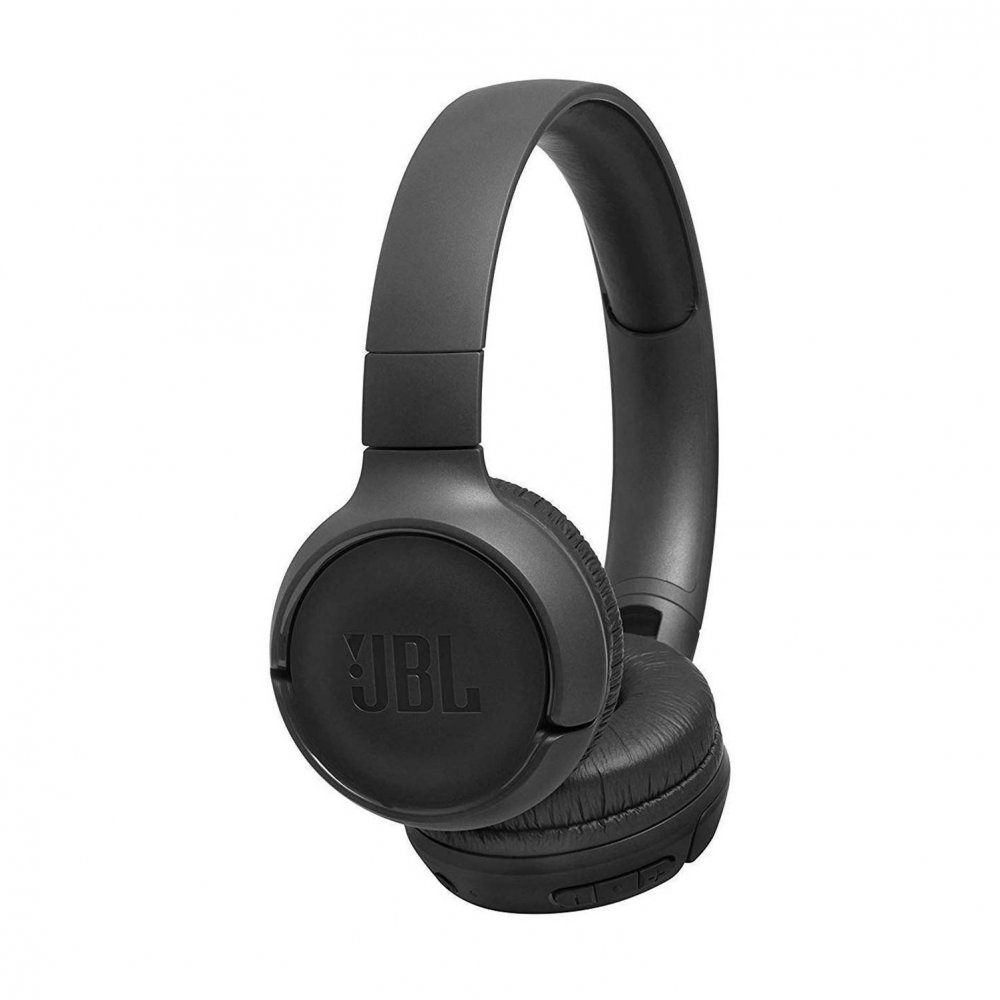
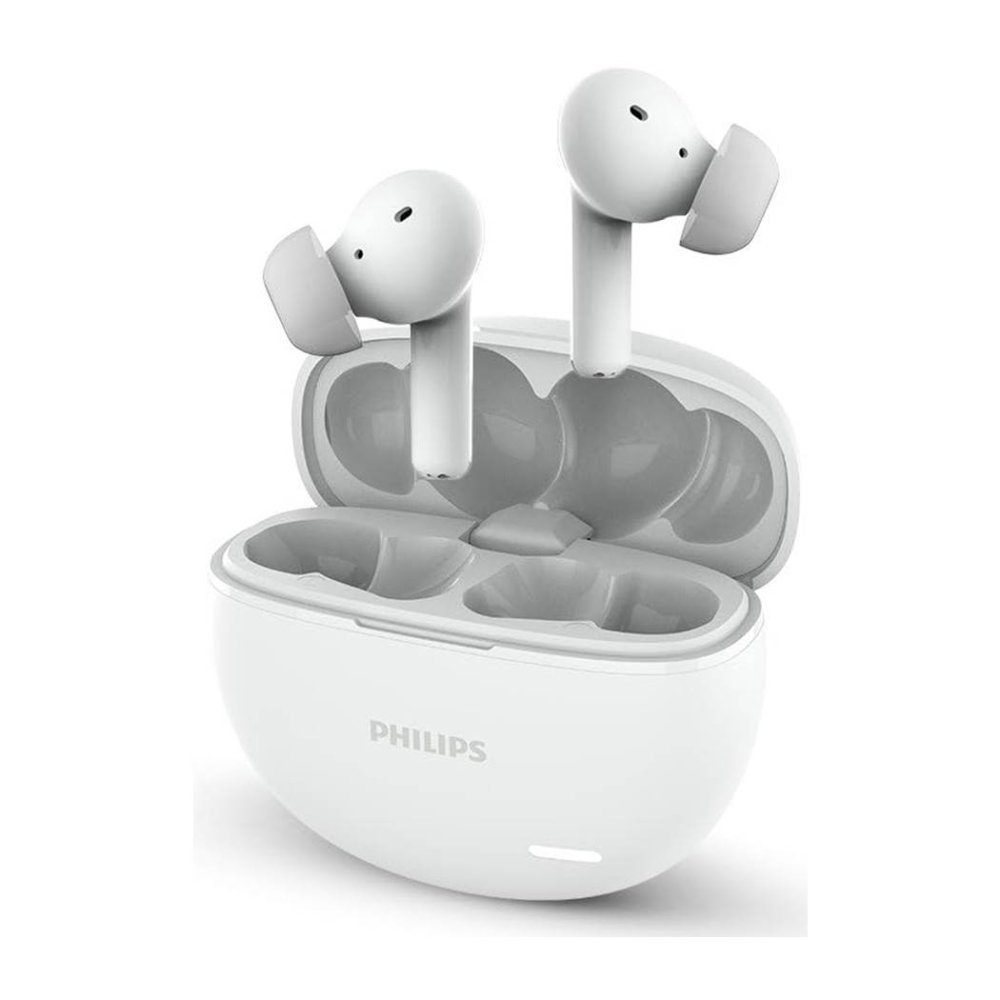
JBL TUNE 500BT vs Philips TAT1179WT
Advertisement
| Specification | ||
|---|---|---|
| Price | Rs.3,299.00 |
Rs.3,299.00 |
| Brand | JBL |
Philips |
| Model No | TUNE 500BT |
TAT1179WT |
| Wired / Wireless | Wireless Headphone Specification |
Wireless Headphone Specification |
| Headphone Type | On Ear |
In Ear |
| Magnet Type | Dynamic |
Dynamic |
| Driver Diameter | 32 mm |
10 mm |
| Impedance | 32 ohm |
32 Ohms |
| Sensitivity | 24dBV1mW |
97dB@1KHz |
| Frequency Response | 20 Hz - 20000 kHz |
20Hz - 20KHz |
| Maximum Power Input | NA |
10 mW |
| Wireless / Bluetooth Details | ||
| Wireless Technology | Bluetooth |
Bluetooth |
| Bluetooth Version | 4.1 |
5.3 |
| Compatible Profiles | All Bluetooth Devices |
All Bluetooth Devices |
| Supported Codecs | A2DP, AVRCP, HFP, HSP |
AAC, SBC |
| Battery Type | Lithium-ion Polymer Battery |
Lithium-Polymer Batteries |
| Bluetooth Range | 10 Meters |
10 Meters |
| Battery Life | 16 Hours |
7 + 38 Hours |
| Charging Time | 2 Hours |
2 Hours |
| Noise Cancelling | NA |
NA |
| Available Colors | Black, White, Blue, Pink |
White |
| Connector Plating | NA |
NA |
| Cable | Charging Cable |
USB Type-C Charging Cable |
| Weight | 155 gm |
42 GM |
| Other Features | JBL Pure Bass Sound. Ask Siri or Google Now. Multi-point connections. Wireless Bluetooth Streaming. Lightweight, comfortable and foldable design. 16H battery life | 2H recharging time and speed charge (5mins = 1H). Wirelessly stream high-quality sound from your smartphone without messy cords. he JBL TUNE500BT headphones let you stream powerful sound with no strings attached for up to 16 hours of pure pleasure. Easily control your sound and manage your calls from your headphones with the convenient 1-button remote with mic. |
Long-Lasting Battery : Enjoy up to 45 hours of playtime with the compact charging case. Durable & Portable : IPX4 splash and sweat resistance; pocket-sized charging case for easy carrying. Reliable Connectivity : Solid Bluetooth connection ensures clear calls and seamless music streaming. Comfortable Fit : Designed for a snug fit with interchangeable silicone ear tips and easy on-ear touch controls. High-Quality Sound : Experience warm, natural sound with Philips' signature audio, including deep bass from 10 mm drivers. |
Advertisement
Compare JBL TUNE 500BT with:
Compare Philips TAT1179WT with:
Top Differences
- Battery Life: 16 Hours vs 7 + 38 Hours
- Driver Size: 32 mm vs 10 mm
- Bluetooth: 4.1 vs 5.3
- Weight: 155 gm vs 42 GM
- Impedance: 32 ohm Vs 32 Ohms
Advertisement