 ALERT
ALERT
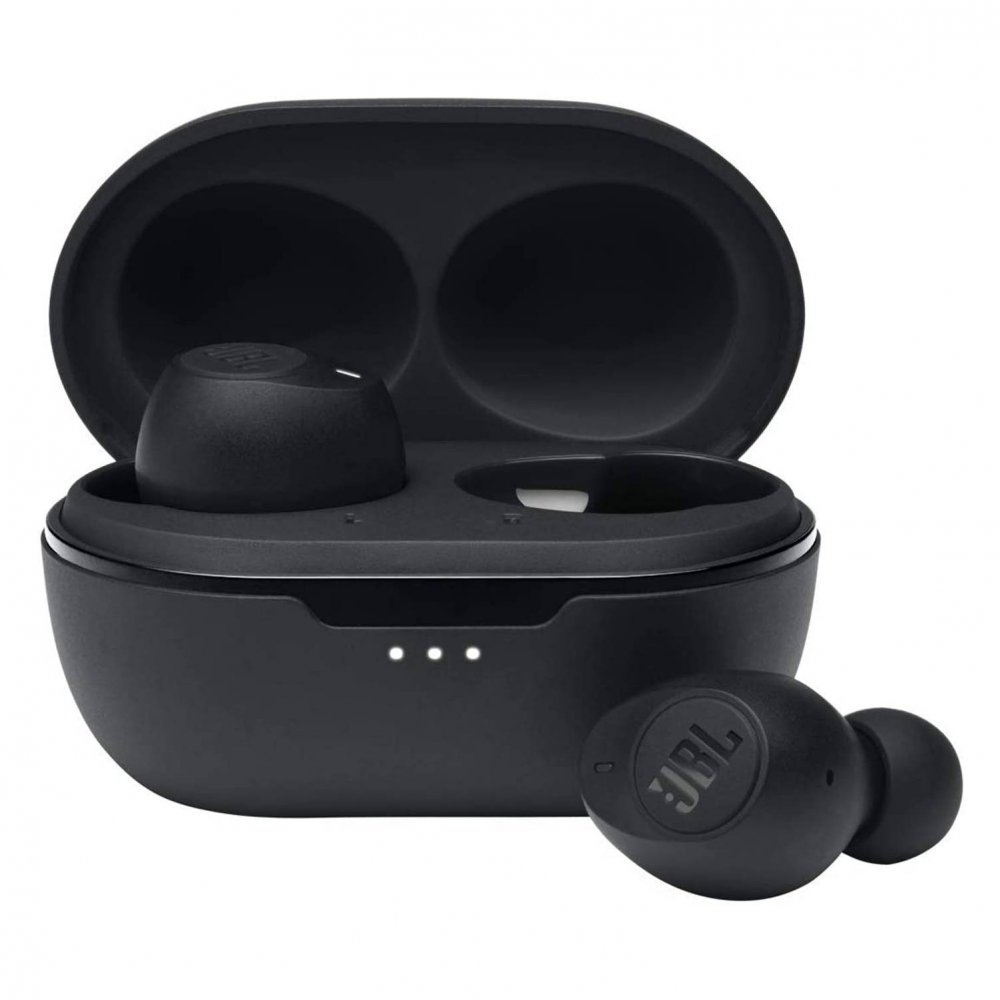
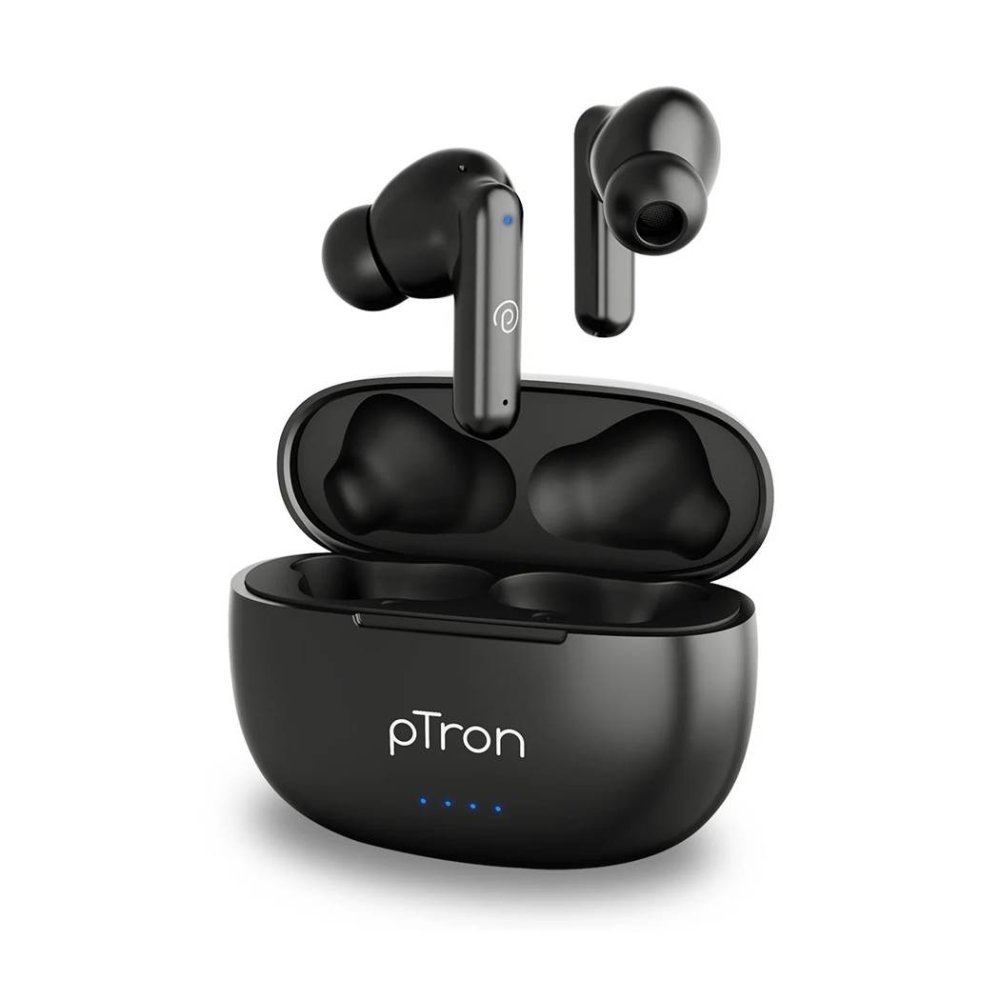
JBL Tune 115 TWS vs pTron Bassbuds Zen
Advertisement
| Specification | ||
|---|---|---|
| Price | Rs.3,648.00 |
Rs.3,799.00 |
| Brand | JBL |
pTron |
| Model No | Tune 115 TWS |
Bassbuds Zen |
| Wired / Wireless | Wireless Headphone Specification |
Wireless Headphone Specification |
| Headphone Type | In Ear |
In Ear |
| Magnet Type | Dynamic |
Dynamic |
| Driver Diameter | 5.8 mm |
10 mm |
| Impedance | 14 ohm |
32 Ohms |
| Sensitivity | 96dB |
102dB±3dB |
| Frequency Response | 20 Hz - 20000 kHz |
20Hz - 20KHz |
| Maximum Power Input | 5 V |
DC 5 V 1A |
| Wireless / Bluetooth Details | ||
| Wireless Technology | Bluetooth |
Bluetooth |
| Bluetooth Version | 5.0 |
5.3 |
| Compatible Profiles | All Bluetooth Devices |
All Bluetooth Devices |
| Supported Codecs | A2DP, AVRCP, HFP |
SBC |
| Battery Type | Lithium-ion Battery |
Lithium-Polymer Batteries |
| Bluetooth Range | 10 Meters |
10 Meters |
| Battery Life | 5 Hours |
50 Hours |
| Charging Time | < 2 Hours |
1.5 Hours |
| Noise Cancelling | NA |
Environmental Noise Cancelling |
| Available Colors | Black, White |
Black, Blue |
| Connector Plating | No |
NA |
| Cable | Type-C USB Charging Cable |
USB Type-C Charging Cable |
| Weight | 73 gm |
44 GM |
| Other Features | Feel the Bass. Listen for Longer. Either Ear, or Both. Pure Bass. Zero Cables. Hands-free calls and access to Voice Assistant. JBL has powered festivals and concerts around the world for decades. Now let JBL bring your own world to life with incredible Pure Bass sound. Experience total freedom with the True Wireless JBL TUNE 115TWS earbuds but in full comfort. Snug-fitting they come with 3 sizes of eartips to fit your size. With up to 21 hours of battery life (6 hours from earbud and 15 hours from the case), you can listen all day and all night and get a top up with just 15-minute charge. Keep your own private concert going for as long as you can keep up. |
IPX4 Water-resistant. Voice assistant ready. Precise touch controls. Type-C fast charging case. 40mAh battery in each bud. Integrated music-call controls. Stereo & Mono bud capability. 400mAh on-the-go charging case. 1-Step pairing & 10m strong wireless connectivity. 1 Year manufacturer warranty on manufacturing defect only. In-ear snug fit & lightweight earbuds with passive noise cancellation. Massive 50+ hours total playback time with the charging case ( earbuds + case ). 10mm dynamic driver produces crystal clear treble, vibrant mid-range & Powerful Bass. BT5.3 wireless technology greatly improves the transmission speed & providing you with low-latency audio & video sync for seamless entertainment. Quad ENC Mic & TruTalk technology effectively reduces environmental noise during the calls, delivering up to 3 times clearer calls & minimum noise cancellation of 30dB, Be Heard Loud & Clear. Caution : Using incompatible USB cable or high voltage chargers can damage the product & void the product warranty. We strongly recommend using DC5V-1A chargers & the USB cable included in the package. |
Advertisement
Compare JBL Tune 115 TWS with:
Compare pTron Bassbuds Zen with:
Top Differences
- Battery Life: 5 Hours vs 50 Hours
- Noise Cancelling: NA vs Environmental Noise Cancelling
- Driver Size: 5.8 mm vs 10 mm
- Bluetooth: 5.0 vs 5.3
- Weight: 73 gm vs 44 GM
Advertisement