 ALERT
ALERT
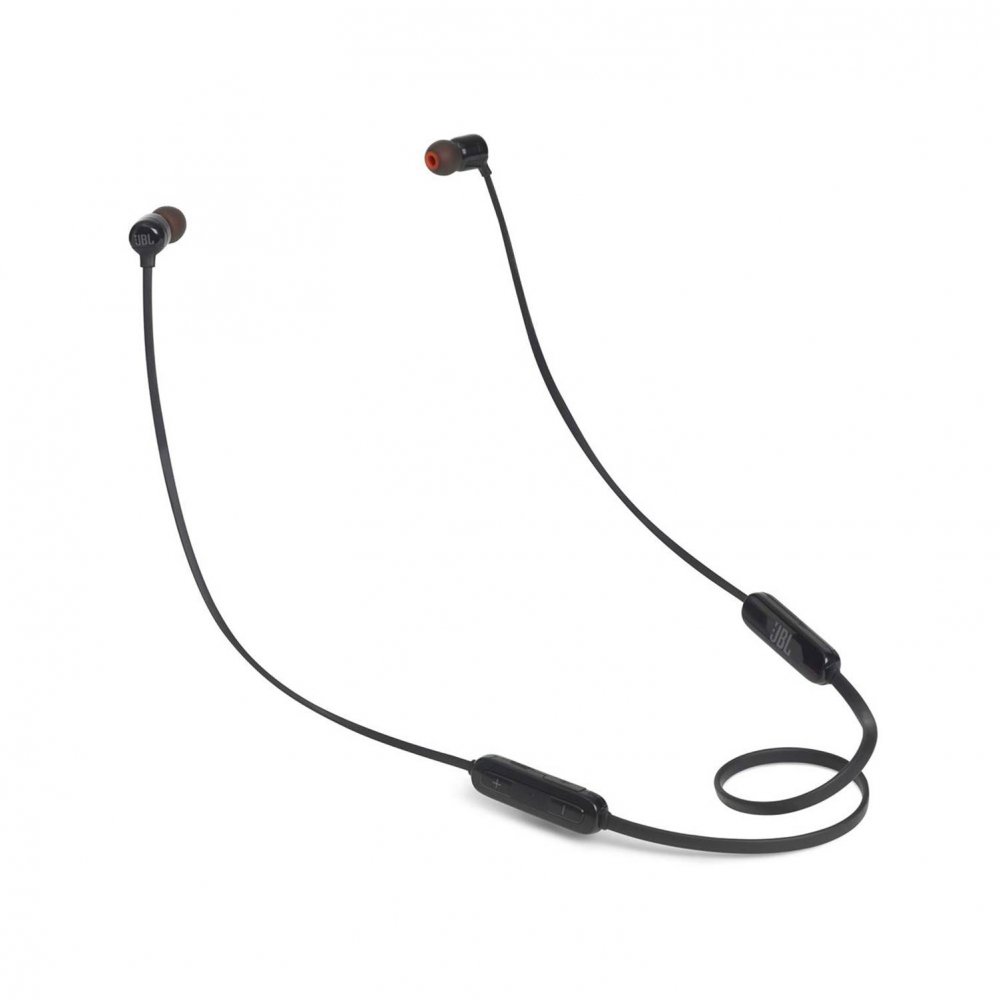
JBL TUNE 110BT vs boAt Airdopes 173
Advertisement
| Specification | ||
|---|---|---|
| Price | Rs.1,999.00 |
Rs.2,099.00 |
| Brand | JBL |
boAt |
| Model No | TUNE 110BT |
Airdopes 173 |
| Wired / Wireless | Wireless Headphone Specification |
Wireless Headphone Specification |
| Headphone Type | In Ear |
In Ear |
| Magnet Type | Dynamic |
Dynamic |
| Driver Diameter | 8.6 mm |
6 mm |
| Impedance | 16 ohm |
NA |
| Sensitivity | 96dB |
NA |
| Frequency Response | 20 Hz - 20000 kHz |
20 Hz - 20000 Hz |
| Maximum Power Input | NA |
5 V 2A |
| Wireless / Bluetooth Details | ||
| Wireless Technology | Bluetooth |
Bluetooth |
| Bluetooth Version | 4.0 |
V5.0+EDR |
| Compatible Profiles | All Bluetooth Devices |
All Bluetooth Devices |
| Supported Codecs | HFP, HSP, AVRCP, A2DP |
SBC |
| Battery Type | Polymer Li-ion Battery |
Lithium-Ion Batteries |
| Bluetooth Range | 10 Meters |
10 Meters |
| Battery Life | >6 Hours |
3 Hours |
| Charging Time | <2 Hours |
2 Hours |
| Noise Cancelling | NA |
NA |
| Available Colors | Black, White, Blue, Grey, Pink |
Black, Blue, Pink |
| Connector Plating | No |
NA |
| Cable | ICON Charging Cable |
USB Type C Charging Cable |
| Weight | 16.2 gm |
7.48 Gm |
| Other Features | JBL Pure Bass Sound. Magnetic cable management. 3-Button Remote with Microphone. One year manufacturer’s warranty. A grab 'n' go solution that sounds great. 6 hours of playtime under optimum audio settings. Lightweight and Comfortable with 3 sizes of ear tips. |
1 Year warranty. BoAt Airdopes 173 offers true wireless experience with the latest Bluetooth v5.0. It helps to stay Plugged Into Nirvana for long with up to 3 hours of sound per charge. Airdopes 173 is IPX4 rated for providing resistance against sweat, splash and dust scares. The noise cancelling earbuds TWS Airdopes 173 come equipped with 6mm drivers for immersive sound. |

Advertisement
Compare JBL TUNE 110BT with:
Compare boAt Airdopes 173 with:
Top Differences
- Battery Life: >6 Hours vs 3 Hours
- Driver Size: 8.6 mm vs 6 mm
- Bluetooth: 4.0 vs V5.0+EDR
- Weight: 16.2 gm vs 7.48 Gm
- Impedance: 16 ohm Vs NA
Advertisement