 ALERT
ALERT
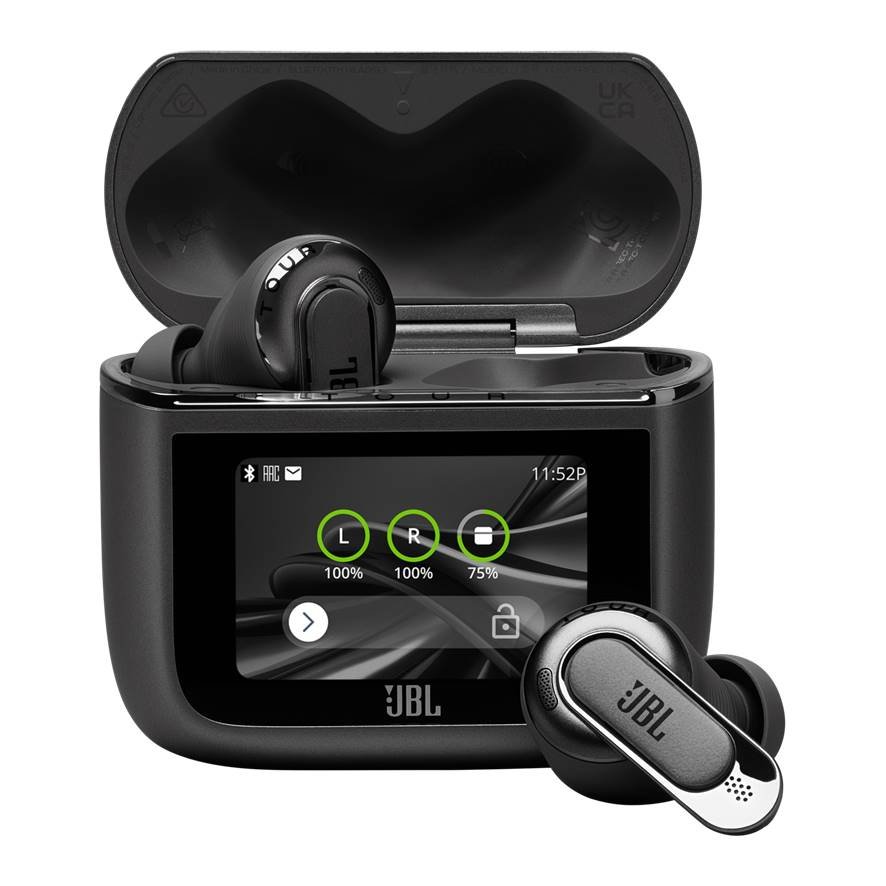
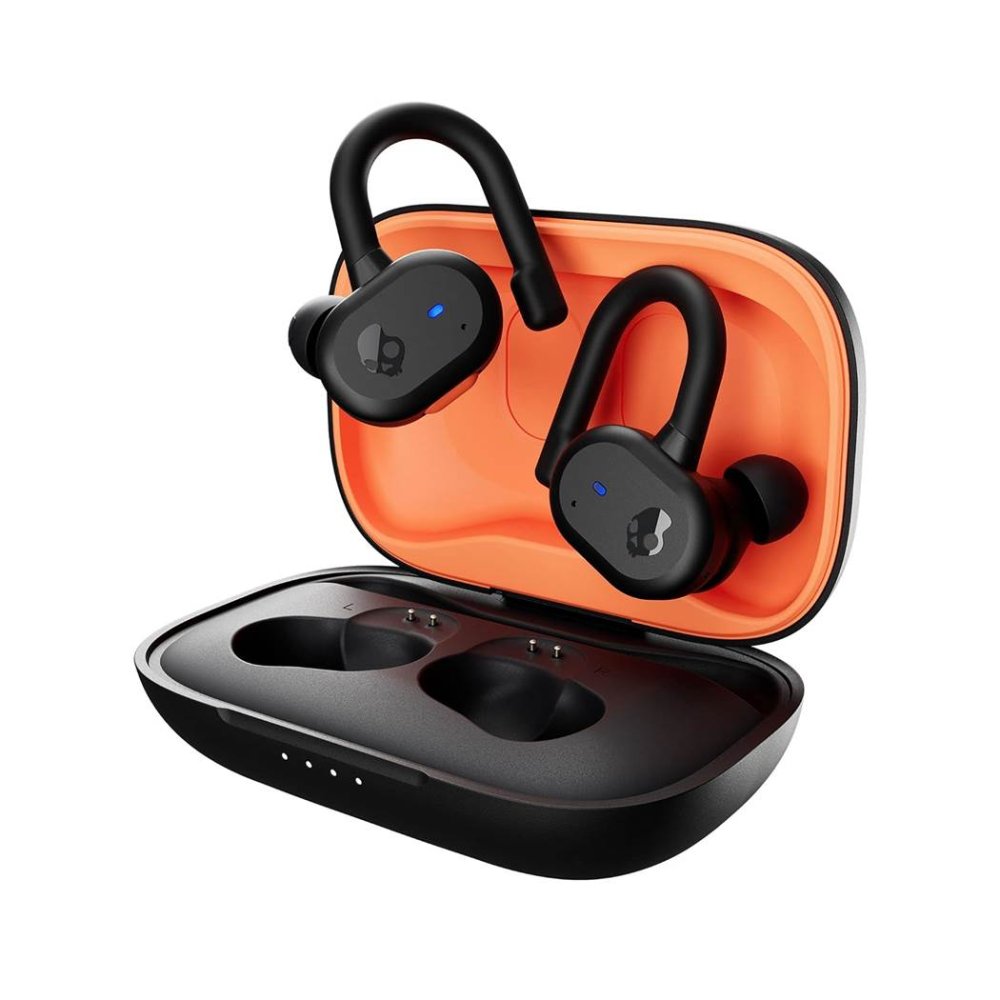
JBL Tour Pro 3 vs Skullcandy Push® Active
Advertisement
| Specification | ||
|---|---|---|
| Price | Rs.21,425.60 |
Rs.20,999.00 |
| Brand | JBL |
Skullcandy |
| Model No | Tour Pro 3 |
Push® Active |
| Wired / Wireless | Wireless Headphone Specification |
Wireless Headphone Specification |
| Headphone Type | In Ear |
In Ear |
| Magnet Type | Dynamic |
Dynamic |
| Driver Diameter | 10.2 mm + 5.1 mm X 2.8 mm Balanced Armature |
6 mm |
| Impedance | 32 Ohms |
22 Ohms |
| Sensitivity | 104dB SPL@1 kHz |
105dB±3dB |
| Frequency Response | 20 Hz - 40KHz |
20Hz - 20KHz |
| Maximum Power Input | 5V 1A |
DC 5V / 1A |
| Wireless / Bluetooth Details | ||
| Wireless Technology | Bluetooth |
Bluetooth |
| Bluetooth Version | 5.3 |
5.2 |
| Compatible Profiles | All Bluetooth Devices |
All Bluetooth Devices |
| Supported Codecs | AAC, SBC |
AAC, SBC |
| Battery Type | Lithium-Ion Batteries |
Lithium-Ion Batteries |
| Bluetooth Range | 10 Meters |
10 Meters |
| Battery Life | 44 Hours |
44 Hours |
| Charging Time | 2 Hours |
1 Hours |
| Noise Cancelling | True Adaptive Noise Cancelling |
Sound Isolation |
| Available Colors | Black, Gold |
Black |
| Connector Plating | 3.5 mm |
NA |
| Cable | USB Type-C Charging Cable |
USB Type-C Charging Cable |
| Weight | 82.9 GM |
95 GM |
| Other Features | IP55 Water and dust resistant. Up To 44 hours of music playback. Legendary JBL Pro sound with hybrid dual-driver. 6 mics for perfect call with JBL Crystal AI Algorithm. Fast Pair enabled by Google and Microsoft swift pair. Use the Smart Charging CaseTM for everywhere entertainment. True Adaptive Noise Cancelling 2.0 : The wireless headphones adapt to the environment in real time and provide even better passive noise isolation with the foam earplugs. Phone Accessories : connect to Google Fast Pair or Microsoft Swift Pair and use the JBL Headphones app to adjust EQ and ambient noise settings, find the earplugs and more. Personalized Sound : Take advantage of the wireless earbuds with Personi-Fi 3.0 and set preferences for the optimal sound curve for the listening profile using interactive tools. Clear Calls With Six Microphones : two external microphones pick up the voice and reproduce it clearly thanks to the JBL Crystal AI algorithm - an inner microphone isolates noise and distortion. Test Winner At COMPUTER BILD (09/2024) & Connect (08/2024) : With the Auracast-enabled charging box with touch screen, the earphones can be connected to nearby devices and audio can be transmitted wirelessly via USB-C or AUX. |
Personal Sound by Mimi®. Rapid Charge: 10 min = 2 hrs. Built-in Tile™ Finding Technology. IPX4 Sweat, Water & Dust Resistant. Customize Features with Skull-iQ App. 44 Hours Total Battery + Rapid Charge. Preset EQ Modes: Music, Movie, Podcast. Hands-Free Voice Control + Built-In Alexa. 44 Hours Total Battery Life: 10 hours in buds, 34 hours in case. Custom EQ Mode, Spotify Tap™, Take Photo, Share Audio, Custom Button Functions, Call, Track & Volume Controls, Dual Noise-Reducing Microphones, Use Either Bud Solo, Auto On/Connect. |
Advertisement
Compare JBL Tour Pro 3 with:
Compare Skullcandy Push® Active with:
Top Differences
- Noise Cancelling: True Adaptive Noise Cancelling vs Sound Isolation
- Driver Size: 10.2 mm + 5.1 mm X 2.8 mm Balanced Armature vs 6 mm
- Bluetooth: 5.3 vs 5.2
- Weight: 82.9 GM vs 95 GM
- Impedance: 32 Ohms Vs 22 Ohms
Advertisement