 ALERT
ALERT
JBL T450 vs Koss KSC17
Advertisement
| Specification | ||
|---|---|---|
| Price | Rs.1,959.00 |
Rs.1,950.00 |
| Brand | JBL |
Koss |
| Model No | T450 |
KSC17 |
| Wired / Wireless | Wired Headphone Specification |
Wired Headphone Specification |
| Headphone Type | On Ear |
On Ear |
| Magnet Type | Dynamic |
Neodymium |
| Driver Diameter | 32 mm |
NA |
| Impedance | 32 ohm |
32 Ohms |
| Sensitivity | NA |
98 dB/mW |
| Frequency Response | 20 Hz - 20000 kHz |
40 Hz - 20000 Hz |
| Maximum Power Input | NA |
NA |
| Noise Cancelling | NA |
NA |
| Available Colors | Black, White, Blue |
Black |
| Connector Plating | 3.5 mm |
3.5 mm Gold Plated Jack |
| Cable | Tangle- Free Flat Cable |
1.2 m |
| Weight | 140.2 gm |
NA |
| Other Features | JBL Pure Bass sound. Tangle-free flat cable. One year manufacturer’s warranty. Lightweight and foldable design. One button remote with microphone. Quick Launch Access to Google Assistant / Siri. Powerful big-stage bass. Now in a convertible model. |
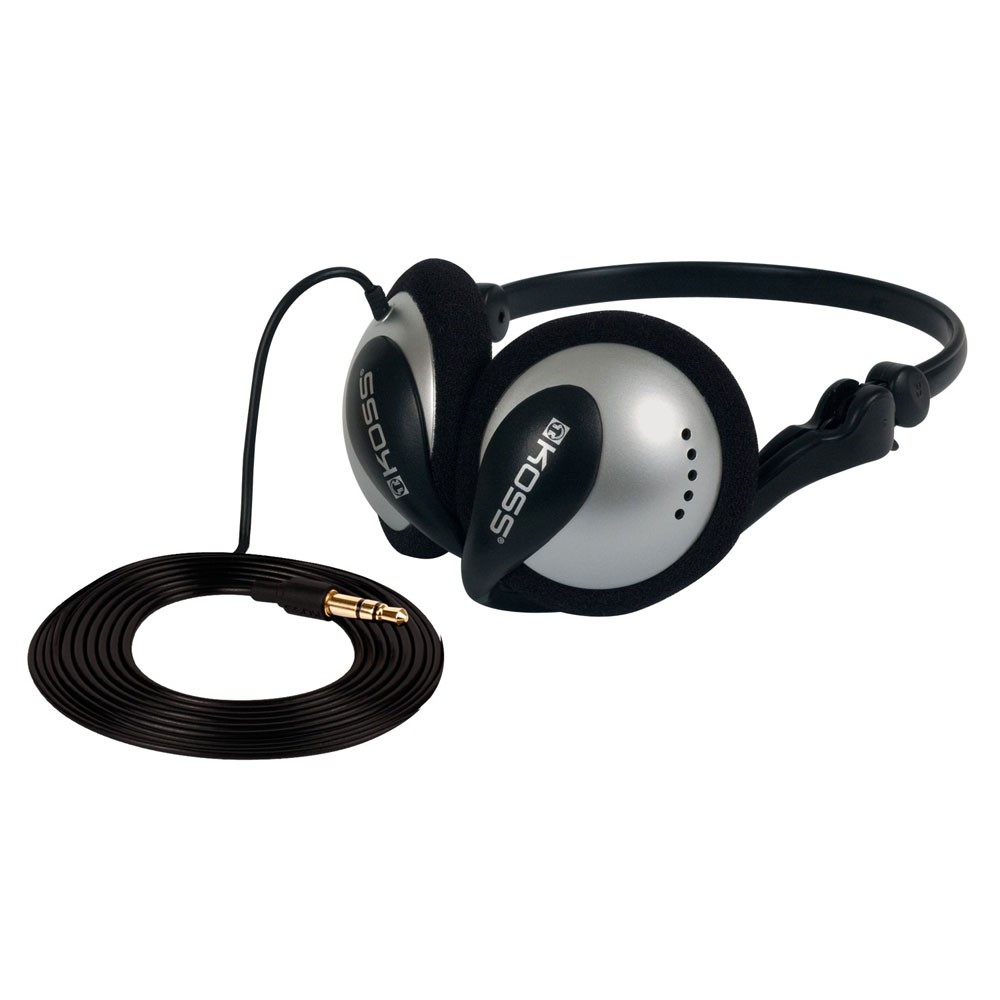
- Ultra-light behind-the-head sport clip® design - Great sound quality with maximum portability - Constructed from Mylar for enhanced rigidity - Improved signal transmission and conduction for cleaner, clearer sound - Secure headband won’t interfere with activities - Foam ear cushions provide open, hear-through sound - Volume control on cord allows easy level adjustment - Include a straight, single-entry 4 foot cord with 3.5 mm (1/8-inch) plug - Covered under the Koss Stereo phones Limited Lifetime Warranty |

Advertisement
Compare JBL T450 with:
Compare Koss KSC17 with:
Top Differences
- Driver Size: NA vs 32 mm
- Weight: NA vs 140.2 gm
- Impedance: 32 Ohms Vs 32 ohm
Advertisement