 ALERT
ALERT
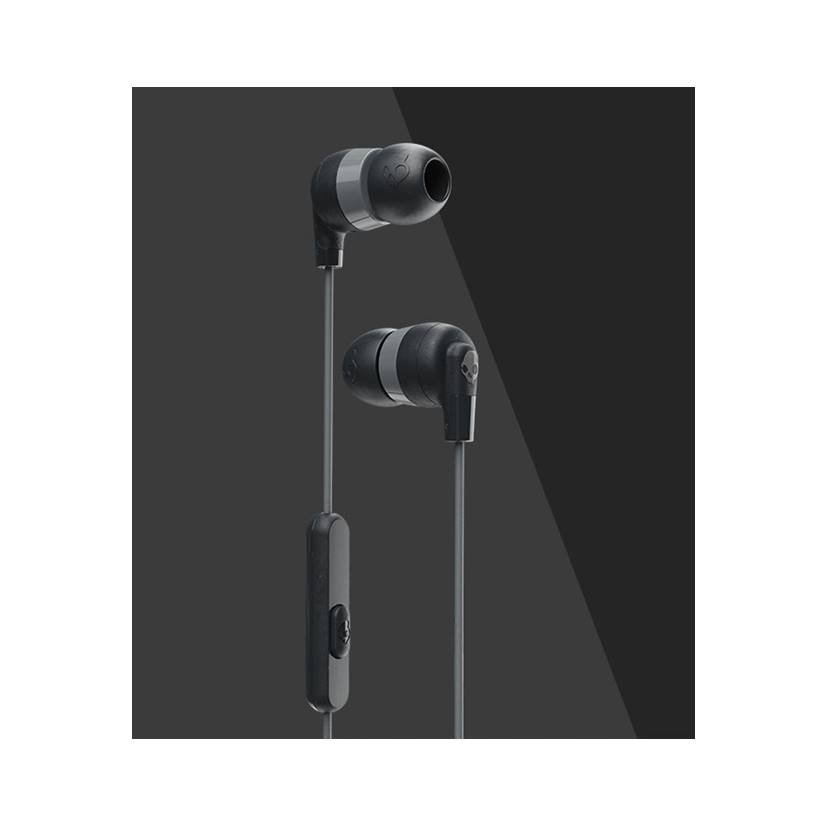
JBL T300A vs Skullcandy Ink™d+ Earbuds
Advertisement
| Specification | ||
|---|---|---|
| Price | Rs.2,500.00 |
Rs.2,499.00 |
| Brand | JBL |
Skullcandy |
| Model No | T300A |
Ink™d+ Earbuds |
| Wired / Wireless | Wired Headphone Specification |
Wired Headphone Specification |
| Headphone Type | On Ear |
In Ear Canal |
| Magnet Type | Neodymium |
Neodymium |
| Driver Diameter | 40 mm |
10 mm |
| Impedance | 32 Ohms |
16 ohm |
| Sensitivity | 112 dB/mW |
92dB ± 3dB |
| Frequency Response | 20 Hz - 22,000 Hz |
20 Hz - 20000 Hz |
| Maximum Power Input | 30 mW |
3mW |
| Noise Cancelling | NA |
Passive |
| Available Colors | Black, White, Blue, Red |
Black, White, Blue, Green, Pink, Yellow, Orange |
| Connector Plating | 3.5 mm Gold Plated Jack |
3.5mm AUX Cable |
| Cable | 1.2 |
Tangle- Free Cable |
| Weight | 508 g |
11.52 Gm |
| Other Features | - JBL T300A is lightweight for on-the-go listening. - T300A has single button remote/mic - Exciting color combinations - Fold-flat, closed-back ear cups |
Microphone. Noise Isolating Fit Call and Track Control. Only Skullcandy headphones are custom-tuned to deliver the music you can feel. From the lyrics in your soul to the bass in your bones. |

Advertisement
Compare JBL T300A with:
Compare Skullcandy Ink™d+ Earbuds with:
Top Differences
- Noise Cancelling: NA vs Passive
- Driver Size: 40 mm vs 10 mm
- Weight: 508 g vs 11.52 Gm
- Impedance: 32 Ohms Vs 16 ohm
Advertisement