 ALERT
ALERT
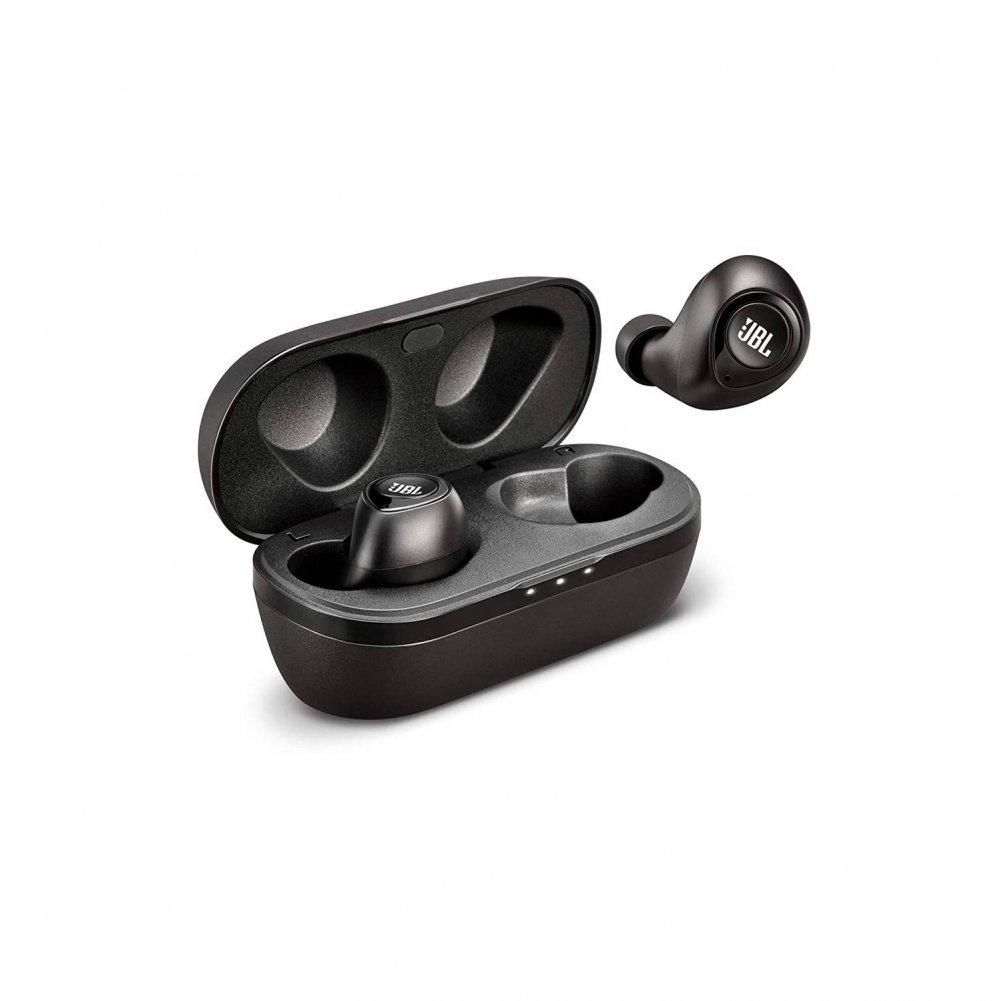
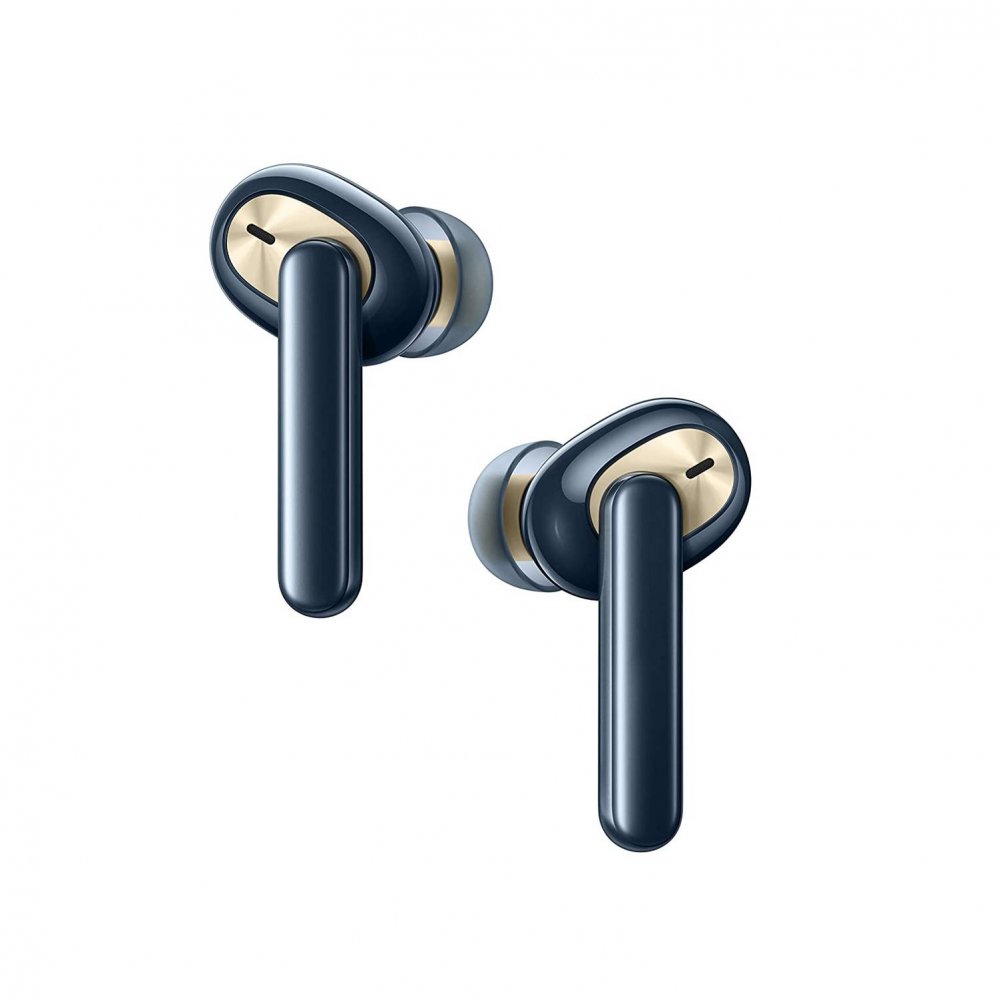
JBL T100TWS vs Oppo Enco W51
Advertisement
| Specification | ||
|---|---|---|
| Price | Rs.4,999.00 |
Rs.4,999.00 |
| Brand | JBL |
Oppo |
| Model No | T100TWS |
Enco W51 |
| Wired / Wireless | Wireless Headphone Specification |
Wireless Headphone Specification |
| Headphone Type | In Ear |
In Ear |
| Magnet Type | Dynamic |
Dynamic |
| Driver Diameter | 5.8 mm |
7 mm |
| Impedance | 32 ohm |
NA |
| Sensitivity | 93dB |
103dB |
| Frequency Response | 20 Hz - 20000 kHz |
20 Hz ~ 20000 kHz |
| Maximum Power Input | 5 V 0.5 A |
NA |
| Wireless / Bluetooth Details | ||
| Wireless Technology | Bluetooth |
Bluetooth |
| Bluetooth Version | 5.0 |
5.0 |
| Compatible Profiles | All Bluetooth Devices |
All Bluetooth Devices |
| Supported Codecs | A2DP, AVRCP, HFP |
LHDC, AAC, SBC |
| Battery Type | Lithium-ion Battery |
Lthium-ion Battery |
| Bluetooth Range | 10 Meters |
10 Meters |
| Battery Life | 5 Hours |
24 Hours |
| Charging Time | 2 Hours |
1.20 Hours |
| Noise Cancelling | NA |
Digital |
| Available Colors | Black, White |
White, Blue |
| Connector Plating | No |
NA |
| Cable | USB Charging Cable |
USB Type-C Charging Cable |
| Weight | 58 gm |
55.5 gm |
| Other Features | JBL Signature Sound. Hands-free Stereo Calls. Built-in Alexa and Google Assistant. Bluetooth.5.0 for Seamless Connectivity. Including one click access to Siri and Google Now. Quick Charge with 15min of charging providing 1 Hour of additional playback. 17 Hours of Combined Playback Time ( 5 Hours on Earbuds & 12 Hours on Charging Case ). |
12 Month Manufacturer Warranty. Binaural Low-Latency Bluetooth. Hybrid Active Noise Cancellation. Transmission for Lag-Free Transmission. Listen 4 Hours Every Day and Only Charge Once a Week. Bluetooth 5.0 Provides a Fast, Stable, and Smooth Experience. In order to accomplish both comfort and high-quality noise reduction functionality. A 15-minute charge keeps the W51 on for 9 hours while a full charge lasts a full 24 hours. IP54 Dust and Water Resistance : Earphones are professionally designed and are certified IP54 dustproof and waterproof. |
Advertisement
Compare JBL T100TWS with:
Compare Oppo Enco W51 with:
Top Differences
- Battery Life: 5 Hours vs 24 Hours
- Noise Cancelling: NA vs Digital
- Driver Size: 5.8 mm vs 7 mm
- Weight: 58 gm vs 55.5 gm
- Impedance: 32 ohm Vs NA
Advertisement