 ALERT
ALERT
Advertisement
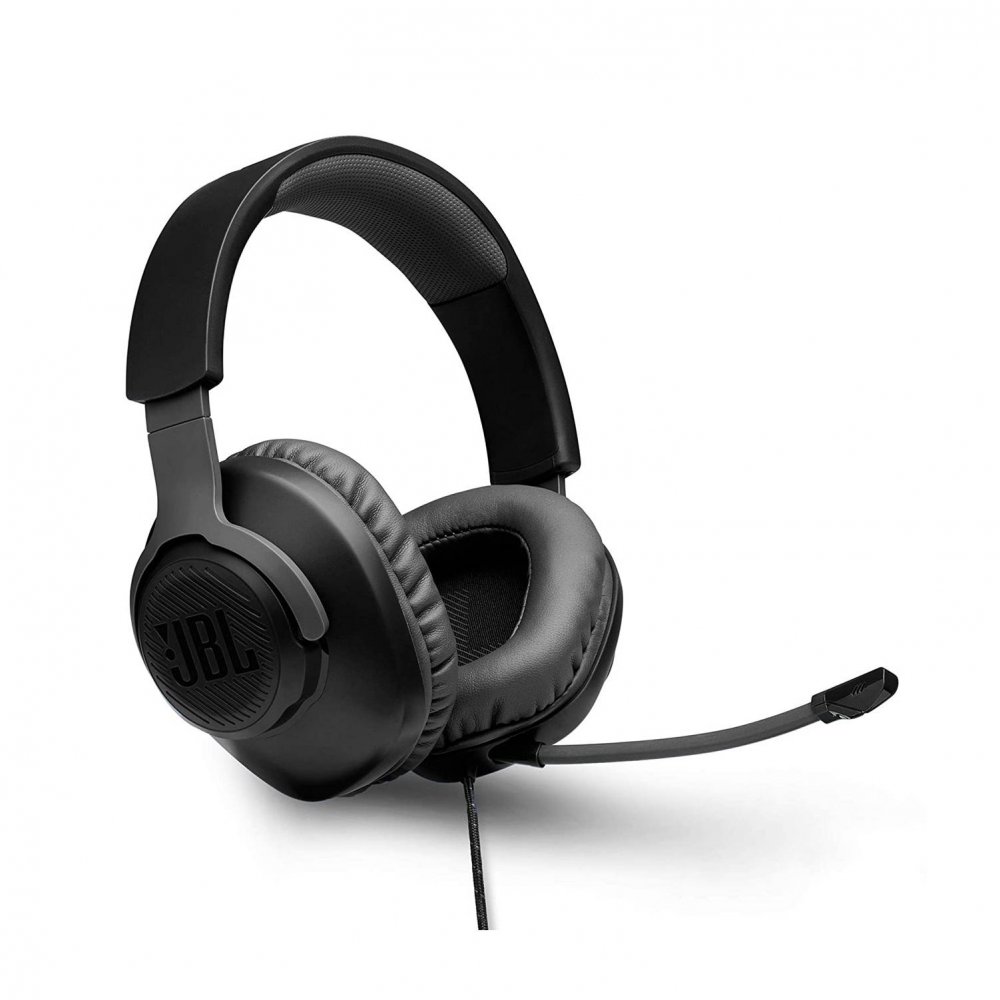
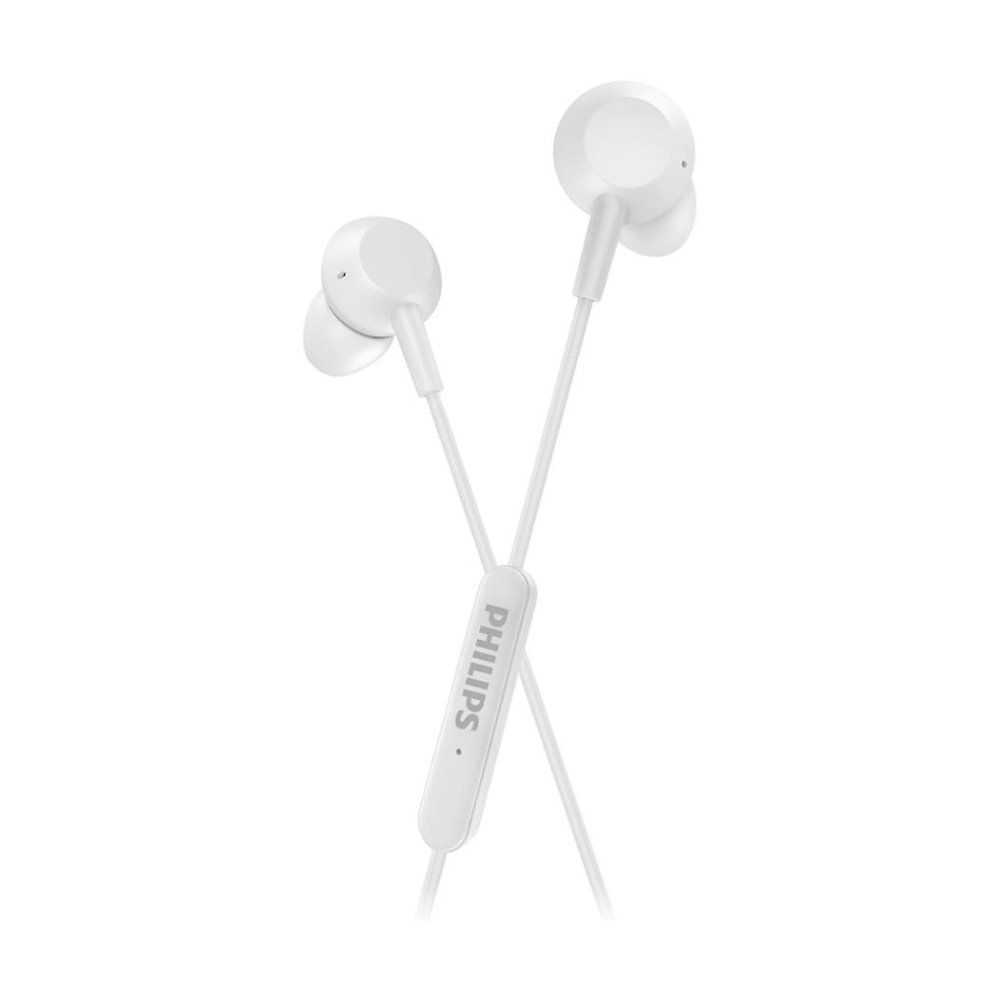
| Specification | ||
|---|---|---|
| Price | Rs.2,499.00 |
Rs.2,550.08 |
| Brand | JBL |
Philips |
| Model No | Quantum 100 |
TAE5008WT |
| Wired / Wireless | Wired Headphone Specification |
Wired Headphone Specification |
| Headphone Type | Over Ear |
In Ear |
| Magnet Type | Dynamic |
Dynamic |
| Driver Diameter | 40 mm |
10 mm |
| Impedance | 32 ohm |
32 Ohms |
| Sensitivity | 96dB1mW |
103dB@1KHz |
| Frequency Response | 20 Hz - 20000 Hz |
20Hz - 20KHz |
| Maximum Power Input | 20 mW |
3 mW |
| Noise Cancelling | NA |
Sound Isolation |
| Available Colors | Black, White, Blue |
White |
| Connector Plating | 3.5 mm |
USB Type-C |
| Cable | NA |
Tangle Free Cable |
| Weight | 220 gm |
12 GM |
| Other Features | JBL Quantum SOUND Signature. Play even longer in memory foam comfort. Compatible with Windows Sonic Spatial Sound. Voice focus directional flip-up boom microphone. Be at the center of the game with JBL Quantum SOUND Signature. 1 Year Warranty Provided by the Manufacturer from Date of Purchase |
Built-In Microphone : With the integrated mic, you can effortlessly switch between music and calls for seamless connectivity. Punchy Bass & Clear Sound : Perfectly tuned and powerful 10mm drivers deliver punchy bass and clear sound, no matter what you're listening to. USB-C Connector : Simply connect the 1.2 m connector cable to USB-C ports on smartphones, tablets or PCs, without the need for a conversion adapter. In-Line Remote : The 3 button in-line remote lets you make calls, navigate playlists and activate your voice assistant, all without touching your smartphone. Built-In DAC : Built-in DAC provides a more accurate and detailed digital to analogue conversion, enhancing sound quality for an impressive audio experience. Rock All Day : The oval acoustic tube and 3 sizes of interchangeable rubber eartips create the perfect seal that you can wear for hours at a time, ensuring all-day listening comfort. |
Advertisement
Compare JBL Quantum 100 with:
Compare Philips TAE5008WT with:
Top Differences
- Noise Cancelling: NA vs Sound Isolation
- Driver Size: 40 mm vs 10 mm
- Weight: 220 gm vs 12 GM
- Impedance: 32 ohm Vs 32 Ohms
Advertisement