 ALERT
ALERT
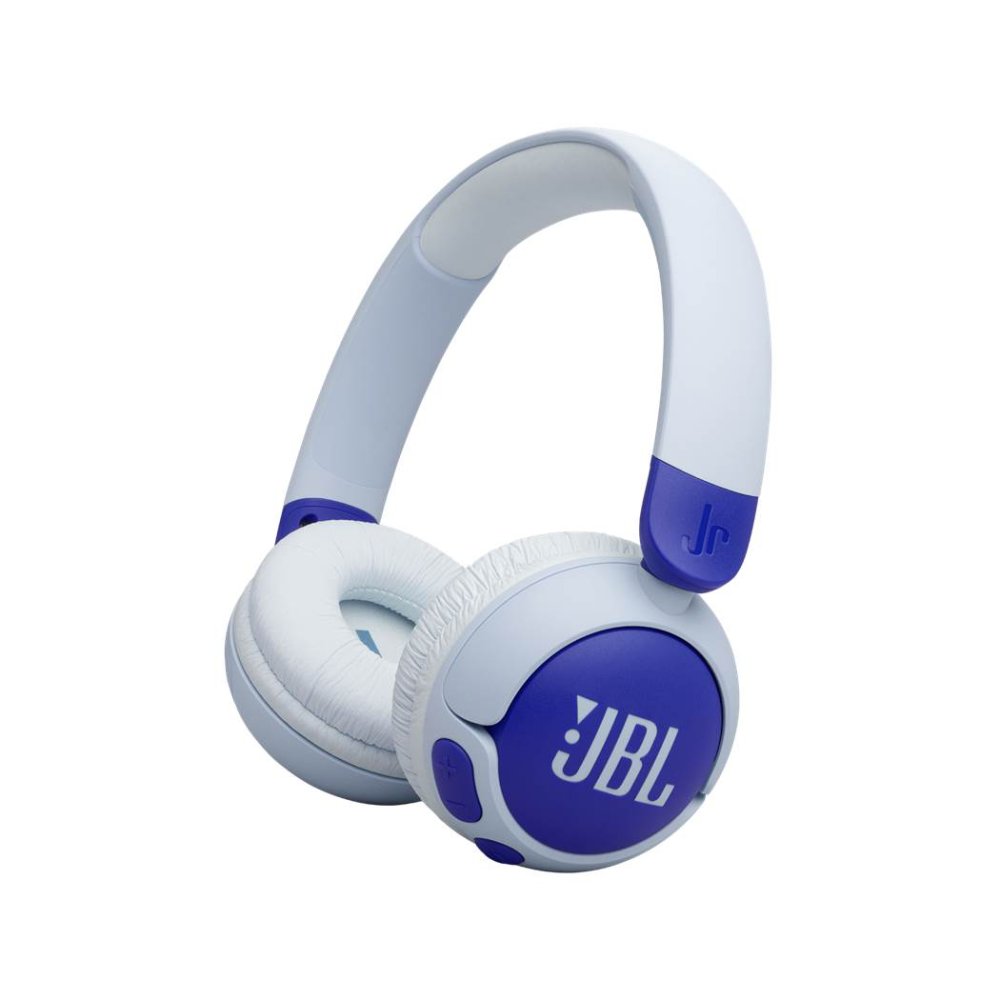
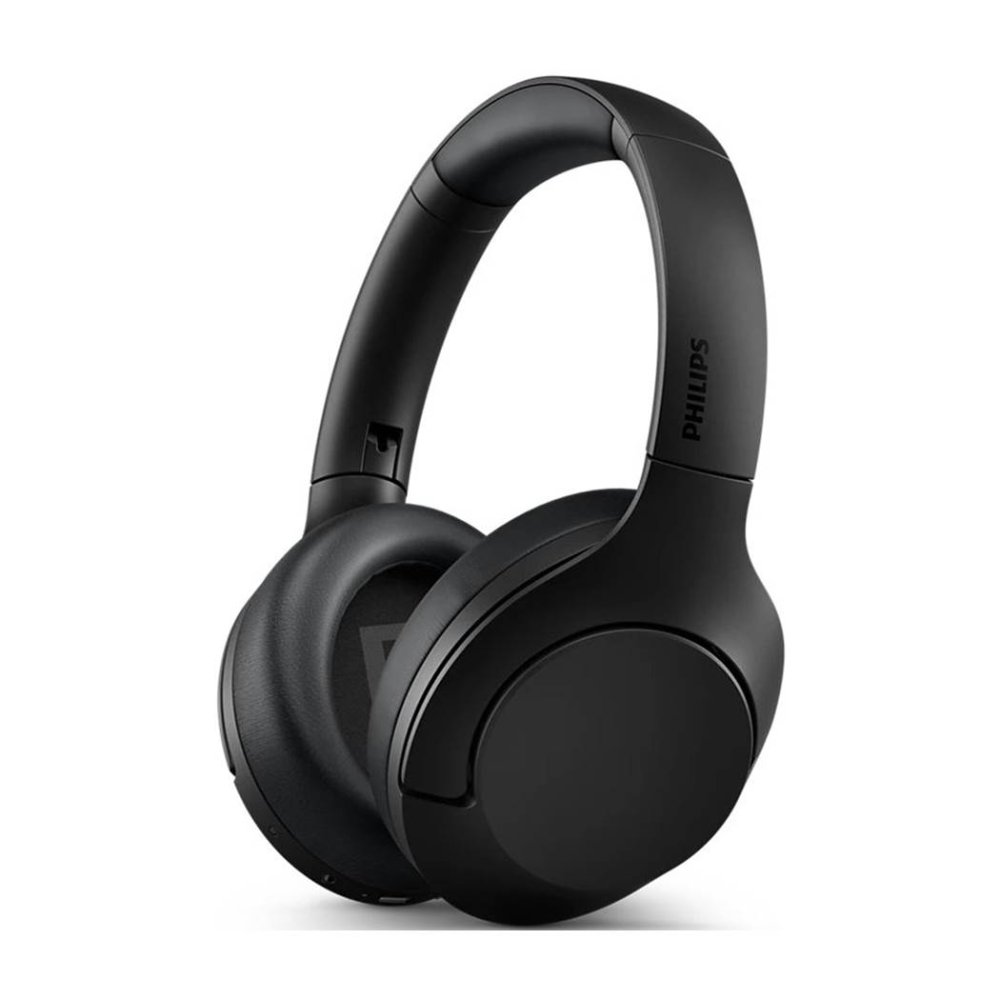
JBL Junior 320BT vs Philips TAH8506BK
Advertisement
| Specification | ||
|---|---|---|
| Price | Rs.15,178.00 |
Rs.14,999.00 |
| Brand | JBL |
Philips |
| Model No | Junior 320BT |
TAH8506BK |
| Wired / Wireless | Wireless Headphone Specification |
Wireless Headphone Specification |
| Headphone Type | On Ear |
On Ear |
| Magnet Type | Dynamic |
Dynamic |
| Driver Diameter | 32 mm |
40 mm |
| Impedance | 34 Ohms |
32 Ohms |
| Sensitivity | 80 dB SPL@1 kHz |
96dB @1K Hz |
| Frequency Response | 20 Hz - 20KHz |
7Hz - 40KHz |
| Maximum Power Input | 5 V 1 A |
30 mW |
| Wireless / Bluetooth Details | ||
| Wireless Technology | Bluetooth |
Bluetooth |
| Bluetooth Version | 5.3 |
5.0 |
| Compatible Profiles | All Bluetooth Devices |
All Bluetooth Devices |
| Supported Codecs | AAC, SBC |
AAC, SBC |
| Battery Type | Lithium-Ion Batteries |
Lithium-Polymer Batteries |
| Bluetooth Range | 10 Meters |
10 Meters |
| Battery Life | 50 Hours |
Music Play Time ANC ON 45 Hours + Music Play Time ANC OFF 60 Hours. |
| Charging Time | < 2 Hours |
2 Hours |
| Noise Cancelling | Active Noise Cancelling |
Hybrid Active Noise Cancelling |
| Available Colors | Purple |
Black |
| Connector Plating | NA |
‎2.5 mm Jack |
| Cable | USB Type-C Charging Cable |
USB Type-C Charging Cable |
| Weight | 124.5 GM |
‎279 GM |
| Other Features | JBL Safe Sound <85dB : JBL Junior 320BT headphones are designed to never exceed 85dB. This way your kids can enjoy the same great sound that made JBL a legend, at a volume that is always safe for their ears. Built-In Mic : JBL Junior 320BT headphones feature a built-in microphone to help your kids stay connected with the world. They can talk with teachers while they’re learning, or chat with friends and family during their downtime. Easy Monitoring : Use the JBL Headphones app for real-time reports on how long kids are listening and at what volume. Check daily and weekly usage and volume reports. And set up your own PIN code to protect your settings. 50-Hour Battery Life : JBL Junior 320BT headphones offer a long 50-hour battery life and recharge quickly with user-friendly USB-C cables. For a super-quick boost, five minutes of charge will give you another three hours of battery life. Parental Control With Customizable Volume & Playtime : Use the automatic 85dB maximum volume limit, or customize a lower one. You can also customize hearing protection settings by limiting both maximum volume and daily listening time. |
AT YOUR FINGERTIPS : The oval ear cups and slender frame lends a distinctive sense of style. And they’re designed for convenience as well. You can take calls, pause music, and wake your voice assistant with a simple tap. FREE TO IMMERSE : TAH8506 comes with the latest in active noise canceling technology to filter out unwanted sounds around you. Awareness Mode lets you bring the world back in when you need to.Awarded Best Headphone of the Year. EASY STORAGE : These headphones feature a clever design that folds in two directions. You can fold them flat, perfect for storing in a drawer. Or you can fold them inwards, creating a compact bundle that fits in pockets and bags. STREAMLINE YOUR WORKDAY WITH MULTIPOINT BLUETOOTH CONNECTIVITY : These headphones can connect to two Bluetooth devices at once. Ideal for multitasking. You can hear notifications from your phone while streaming videos from your laptop. CONTROL YOUR OWN RHYTHM : A more bespoke listening experience is made possible by the Philips Headphones app. You can adjust levels of sound, choose from preset noise-cancellation modes and sound styles, or switch touch controls on and off. LISTEN ALL YOU WANT WITH 60 HOURS OF PLAYTIME : These headphones are built for frequent travelers and music junkies. You get a whopping 60 hours of battery time (45 with ANC) via a single charge, and a quick 15-minute boost adds another 8 hours to boot. CRAFTED FOR LISTENING : The sleek over-ear fit creates a seal that passively isolates external noise, taking you deep into the music. Perfectly tuned 40 mm drivers bring the best out of your favorite soundtracks. Certified Hi-Res Audio ready, just plug in the included stereo cable to your Hi-Res sources and rediscover your favorite songs. |
Advertisement
Compare JBL Junior 320BT with:
Compare Philips TAH8506BK with:
Top Differences
- Battery Life: Music Play Time ANC ON 45 Hours + Music Play Time ANC OFF 60 Hours. vs 50 Hours
- Driver Size: 40 mm vs 32 mm
- Bluetooth: 5.0 vs 5.3
- Weight: ‎279 GM vs 124.5 GM
- Impedance: 32 Ohms Vs 34 Ohms
Advertisement